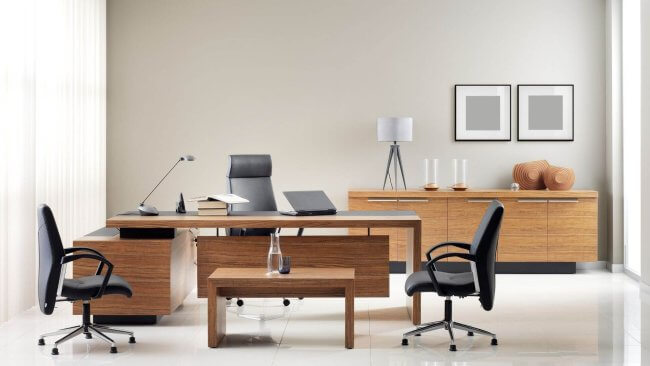
Furniture is a fundamental part of a home or office. Its appearance, durability, and functionality play a very important role in long-term use. Proper furniture care helps preserve its aesthetic appearance and extend its lifespan. Different types of furniture—wooden, upholstered, leather, metal, and glass—require different care routines. It is therefore important to know the cleaning and protection methods appropriate for each type. Incorrect care methods can cause furniture to wear out quickly, its color to fade, and its structure to become damaged. Keeping furniture clean and well-maintained is also important for preserving harmony in home decoration. Furniture cleaning matters for health too, because dust, germs, and allergens can accumulate on these surfaces and reduce air quality. In this article, we will provide detailed information about proper furniture care, common mistakes, recommendations for extending furniture lifespan, and seasonal care tips. With the right approach to furniture maintenance and cleaning, you can turn your home into an environment that is both beautiful and healthy. Let us explore these details together.
Care methods by furniture type
The material of furniture directly determines how it should be cared for. Wooden, upholstered, leather, metal, and glass furniture each have their own cleaning and protection methods. Under this heading, we present the most effective care methods for different furniture types.
Care guidelines for wooden furniture
Wooden furniture is a choice particularly favored by those who love classic and rustic design. Although this furniture stands out for its natural character and elegance, it can crack, fade, and warp if not properly cared for. It is recommended to clean wooden furniture surfaces daily with a vacuum cleaner or a soft, dry cloth. Contact with water should be avoided because moisture can cause wood to swell and lose its shape. A slightly dampened cloth can be used for stubborn stains, but the surface must be wiped with a dry cloth immediately afterward. Using special wood polishes on wooden furniture with glossy surfaces helps maintain its shine and protective layer. It is also important not to place hot or sharp objects directly on the furniture. Wooden furniture loses its color when exposed to direct sunlight. Therefore, it is recommended to protect the furniture with curtains or blinds. Deep cleaning and polishing wooden furniture every 6 months extends its lifespan. Prioritizing natural products when caring for wooden furniture is important both for health and for protecting the furniture.
Upholstered furniture care
Upholstered furniture—sofas, armchairs, and poufs—is an ideal choice for comfort and relaxation. However, because this furniture attracts more dust and stains, it requires regular care. Liquids spilled on upholstered furniture should be cleaned immediately, because delays can allow stains to become permanent. Dry-foam cleaners are ideal for this furniture. A soft brush should be used when cleaning to avoid damaging the fabric. To prevent dust buildup, vacuuming should be carried out at least once a week. Special cleaners appropriate for the fabric should be selected; different solutions are available for microfiber, velvet, or cotton, for example. Cushions on upholstered furniture should periodically be swapped around or turned over to prevent deformation. Exposure to sunlight also causes fabric colors to fade. Placing protective covers over upholstered furniture both makes cleaning easier and extends its lifespan. Natural solutions such as vinegar and baking soda can be used for stains. Annual deep cleaning of upholstered furniture should be carried out with steam or by professional cleaning companies.
Cleaning and protecting leather furniture
Leather furniture stands out for its luxurious, elegant appearance but has specific care requirements. Moisture balance should be maintained to prevent leather from drying out and cracking. Special moisturizing creams and sprays for leather furniture should be used. These products preserve elasticity and shine. Wiping with a dry microfiber cloth is enough to prevent daily dust accumulation. Cleaning with water or soap can damage leather. Direct sunlight can fade its color and dry the surface. Leather furniture should therefore be positioned away from windows. Spills should be cleaned immediately; otherwise, stains may penetrate deeper. Alcohol-containing products and harsh chemical cleaners are strongly discouraged. Every 3-6 months, leather furniture should be wiped with special care products. With proper care, it can remain as good as new for years.
Recommendations for Metal and Glass Furniture
Metal and glass furniture are widely used in modern interiors and create a minimalist style. Although easy cleaning is their main advantage, improper care can lead to rust and scratches. A microfiber cloth and glass-cleaning spray are ideal for glass surfaces. Circular wiping helps prevent marks. Dried stains and fingerprints may become difficult to remove if not cleaned regularly. Protecting metal parts from humid and salty environments is important for preventing rust. Protective anti-rust sprays are recommended. Abrasive cloths and sponges should not be used on metal. Both materials can heat up and deform in sunlight. Although this furniture looks light, it can be damaged quickly, so weight balance should be considered. Particular attention should be paid to joints between glass and metal during cleaning. Protective accessories extend its life and preserve its aesthetic appearance.

Common mistakes in furniture cleaning
Some common mistakes in furniture care often shorten its life and spoil its aesthetic appearance. Being aware of these mistakes is the first step toward preventing them. Let us look at the most widespread errors.
The use of harsh chemicals
Many people prefer powerful chemicals for furniture cleaning. However, this often damages surfaces. Chlorine- and alcohol-containing cleaners are particularly harmful to wood and leather. They can cause wear, cracks, and discoloration. Harsh cleaners destroy protective layers and make furniture more susceptible to dirt. These products can also pose health risks, especially in households with children and pets. Choosing natural, furniture-compatible products instead of chemical solutions is more appropriate. Product labels should be read carefully to ensure compatibility. There is no universal cleaner for every furniture type. Excessively frequent chemical use can cause furniture to lose its shine and become dull. To prevent this, cleaning should be done as needed with the right products rather than as a routine.
Exposure to moisture and sunlight
Moisture and direct sunlight are the two most dangerous natural factors for furniture. Humid environments can cause wooden furniture to swell, adhesives to weaken, and even mold to develop. Upholstered and leather furniture can also develop unpleasant odors and mold because of humidity. Furniture exposed to sunlight for long periods loses color and its material weakens. Furniture fabrics fade, and breakage becomes more likely. Glass furniture can become very hot in sunlight and damage surrounding materials. Furniture should therefore be positioned in areas without direct sunlight. If this is not possible, curtains and blinds should prevent these effects. Humid rooms should have strong ventilation and air circulation. Dehumidifiers may be helpful in some cases. Most importantly, protective measures to reduce damage from moisture and sunlight should be taken in time.
Wiping with unsuitable cloths and materials
The materials used for furniture cleaning directly affect cleaning effectiveness and furniture protection. Some people damage surfaces with hard sponges or abrasive materials. Scratches are especially common on glass and metal furniture. Hard or dirty cloths can leave marks on wooden surfaces. Using soft microfiber cloths makes cleaning easier and protects the surface. It is also important that the cloth be clean and dry. Leaving a damp cloth on a surface for a long time can cause discoloration and swelling. Special soft cloths are available for leather furniture and should be used. Circular wiping motions prevent stains from spreading. Using suitable materials for each furniture type ensures longer use.

Tips for Extending the Lifespan of Furniture
Proper care and a few simple measures can extend the life of furniture by years. In this section, explore useful tips for keeping furniture functional and aesthetically pleasing for longer.
Should furniture be repositioned regularly?
Moving furniture can sometimes serve both a decorative and a protective purpose. Furniture that remains in the same place for a long time may develop deformation and wear in certain areas. For example, the seats of sofas and armchairs sag over time because they are used more frequently. Changing the orientation of furniture prevents continuous pressure on the same area. When furniture exposed to sunlight is moved, this exposure is distributed evenly and color differences are reduced. In some cases, dust and dirt accumulated beneath furniture can only be cleaned when it is moved. Care should be taken when moving furniture – lifting it rather than sliding it is the better approach. Moving wooden furniture also provides an opportunity to check for loose legs and joints. Overall, changing the position of furniture 1-2 times a year is beneficial both functionally and visually.
The importance of protective coatings and polishes
Protective furniture covers not only make cleaning easier but also protect surfaces from damage and dust. Removable covers are particularly practical for upholstered furniture. They can be washed to help maintain hygiene. On wooden furniture, protective polishes create a thin protective layer on the surface. This keeps moisture, stains, and dust away. Polishes also restore the wood’s color and shine. Compatibility with the furniture material is the main condition when choosing protective products. On leather furniture, protective oils increase elasticity and resistance to cracking. It is important to balance polishing and cover use – excessive polishing can also be harmful. Protective measures are especially important when there are children and animals in the home.
Humidity and temperature control
Suitable climatic conditions are very important for furniture. Sudden temperature changes can damage its material. Wooden and leather furniture can crack and lose shape in humid or very dry environments. In upholstered furniture, dampness causes microbes and mold to develop. Maintaining a stable indoor temperature helps furniture structures last longer. Humidifiers or dehumidifiers may be useful. Heating systems dry the air, particularly in winter, when humidifying devices are recommended. In summer, air conditioners also disrupt humidity balance while cooling the air. It is best to keep humidity within the 40-60% range. This preserves furniture’s natural structure and reduces the risk of deformation.
Seasonal care tips
Changes in season also require different approaches to furniture care. Timely measures against the effects of climatic conditions preserve the furniture’s life and quality.
Protecting furniture during summer
Temperatures are high in summer, and the sun's rays have a stronger effect. During this period, wooden and leather furniture quickly fades and cracks when exposed to direct sunlight. Moving furniture away from windows or using blinds or curtains is beneficial. In addition, the dry air created by air conditioning can cause furniture to crack. Using humidifiers can eliminate this problem. Dust accumulates more quickly in summer, so cleaning should be more frequent. To prevent allergic reactions, upholstered furniture should be wiped and dusted frequently. Polishing is important for protecting the surfaces of wooden furniture during the summer months. Applying moisturizing cream to leather furniture prevents it from drying out. Since summer also increases the risk of mold, ventilation must be ensured.
What should you pay attention to in winter?
The main factors in protecting furniture in winter are temperature and air dryness. Heating systems make the air very dry, which negatively affects furniture materials. Leather furniture, in particular, dries out and cracks quickly during this period. For this reason, using moisturizing creams and humidifiers is essential. Wooden furniture can contract and expand because of temperature changes. It is important to keep furniture away from heat sources such as radiators, fireplaces, and heaters. Frequently ventilating the home in winter both maintains the moisture balance and helps keep furniture in good condition. Weekly cleaning routines should be maintained to prevent dust buildup. Upholstered furniture protected with covers wears out more slowly and does not become stained. During the winter months, the surface should not be allowed to dry out, particularly when stain-removal products are used. This way, your furniture will remain both functional and aesthetically pleasing throughout the year.