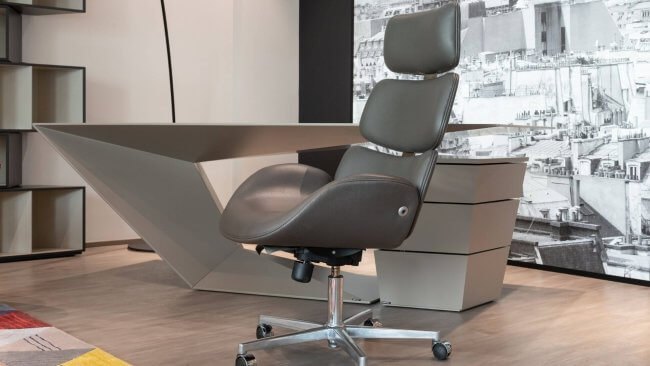
Today, an office chair means more than just a seat. For people who spend much of their daily working time at a computer, it is important for both health and productivity. Sitting in an incorrect position for long periods can cause lower-back pain, neck strain, and general bodily discomfort. Choosing the right office chair is therefore extremely important for physical health and the quality of work. The right chair should combine comfort with ergonomic design, adjustment options, and suitability for the user’s individual needs. A well-chosen office chair improves employee concentration, prevents fatigue, and positively affects overall work performance. Conversely, a poor-quality chair can cause both physical and psychological discomfort. In this article, we will explain in detail what to consider when purchasing an office chair. Our aim is to present all the important factors needed to find the ideal chair. As the blog continues, you will find extensive information on selecting a chair that meets health, aesthetic, and budget requirements.
Key Points When Buying an Office Chair
There are many technical and functional details to consider when choosing an office chair. Below, we will explain the most important of these points individually.
Ergonomic design
Ergonomic design means adapting an office chair to human anatomy. Lumbar and spinal support, the correct sitting angle, and adjustable components are the main elements of this design. An ergonomic chair allows the user to sit comfortably for long periods. This type of design prevents lower back and neck pain and reduces muscle fatigue. It is particularly important for health that chairs intended for office workers are ergonomic. A properly designed ergonomic chair supports the user's posture, enabling them to work more productively. Such chairs are made with contours that follow the body's natural shape. This helps maintain an upright posture. Ergonomic office chairs are often equipped with adjustable lumbar support, a neck cushion, and adjustable seat depth. As a result, this type of chair offers advantages in terms of both comfort and health.
Seating comfort and material quality
The softness of the seat and the use of breathable materials determine how comfortable a chair is to use. Seats with high-density foam retain their shape even with long-term use. High-quality foam and fabric both prevent sweating and provide additional comfort for the user. Although faux leather chairs may be aesthetically preferable in some cases, they can cause discomfort because of poor air circulation. Breathable materials and fabrics are considered healthier and more comfortable. Seat width is also an important criterion and should suit the user's body dimensions. It is also important that the seat edges are not hard so that they do not restrict blood circulation. Poor-quality materials tear, fade, and lose their functionality over time. To ensure the chair lasts a long time, preference should be given to models made with high-quality materials. A comfortable seat improves an employee's ability to stay focused throughout the day.
Adjustment features (height, backrest, armrests)
Adjustment features allow an office chair to adapt to individual needs. Height adjustment enables the user to sit at the appropriate level for the desk. This feature also ensures that the feet rest fully on the floor and the knees remain at a 90-degree angle. Backrest angle adjustment helps users switch between relaxation and focused work modes. Armrests support the arms in a natural position, reducing shoulder and neck tension. In some models, the height, depth, and direction of these supports can be changed. Adjustable components allow the chair to be adapted to the user's body shape. This prevents discomfort during prolonged sitting. More advanced chairs have locking functions at various angles. This allows everyone to choose a sitting position that suits their own level of comfort.
Lumbar support and the ability to maintain proper posture
Lumbar support is an essential element of a chair for maintaining the natural shape of the spine. In particular, adjustable support positioned in the lower back area helps prevent back pain. This support keeps the user's posture upright and reduces tension in the body. Otherwise, a sitting posture that causes spinal curvature can develop over long hours. Proper posture increases a person's productivity at work and helps them feel more energetic. Chairs with lumbar support reduce the risk of spinal curvature. Adjustable lumbar supports provide maximum support by adapting to the user's body type. These chairs help develop healthy posture habits. Chairs without lumbar support, however, can cause chronic back pain over time. Particular attention should be paid to this feature when choosing a chair.
Casters and swivel system
The mobility of an office chair increases flexibility during work. High-quality casters and 360-degree rotation help users move comfortably around the desk. Caster material is also important — soft casters are more suitable for hard floors, while hard casters suit carpets. Mobile chairs allow users to turn in any direction and reduce wasted time. Swivel chairs offer an advantage in multitasking environments. The swivel mechanism is ideal for quick decisions and movement. It allows users to turn toward different areas without getting up. The chair’s stability should also be considered. The quality of caster materials ensures longevity. Quiet caster systems that prevent irritating noises create a more professional environment.
H2: Balancing Budget and Quality
When choosing an office chair, consider not only comfort and function but also your budget. Below, we explain ways to maintain this balance.
Categories by price
Office chairs are usually divided into three main price categories: budget, mid-range, and premium. Budget chairs perform basic functions, but may fall short in terms of materials and longevity. Mid-range chairs offer a more balanced choice in terms of both functionality and materials. Premium chairs offer more ergonomic and technological advantages. Each category has its own target user group. As the price rises, the comfort and functionality offered also increase. However, in some cases, the price may be artificially high because of the brand name. For this reason, decisions should be based not only on price but also on features. Doing research and reading user reviews help with making the right choice. Evaluating the price-to-performance ratio is important in this respect.
Differences between inexpensive chairs and expensive models
Inexpensive chairs are usually made from plastic materials and have few adjustment features. These models are suitable for short-term use. Expensive models, on the other hand, are equipped with metal structures, breathable materials, and comprehensive adjustment systems. Ergonomic features can be found not only in expensive models but also in mid-range ones. The main advantages of expensive chairs are longevity, warranty coverage, and greater attention to health. Design and material quality are also superior in this category. Inexpensive chairs, however, become deformed and lose their comfort over time. In other words, an inexpensive chair can become costly in the long run. Expensive chairs are intended more for professional environments and intensive use. Needs and intensity of use should be considered when making a choice.
Aesthetic and Spatial Compatibility
The aesthetic appearance of an office chair and its compatibility with the space are as important as its functionality. Particularly in modern office environments, design, color, and style influence the overall atmosphere.
Compatibility with office decor
When choosing an office chair, it is important that it match the overall interior design. A modern, brightly colored chair may not look appropriate in a classic-style office. Simple chairs with clean lines are more suitable for a minimalist office. It is important to create harmony between the chair’s material, color, and shape and the desk, cabinet, and other office furniture. This compatibility matters not only for visual aesthetics but also for psychological comfort. The work environment should provide comfort and inspiration. Incompatible elements can cause distraction and discomfort. Design choices aligned with the company’s brand identity also have a positive effect. For example, a creative agency may prefer colorful, distinctive designs. In law and finance, however, classic, serious-looking chairs are more appropriate.
Color and design selection
Color psychology plays a significant role in the work environment. For example, blue and green tones create a sense of calm and balance, while orange and yellow tones increase energy. The color of an office chair is not merely a matter of taste but also a factor that affects the mood at work. Light-colored chairs create a brighter, more spacious feel. Dark tones create a serious and stable atmosphere. In terms of design, modern chairs feature more aesthetic details. Leather combinations, metal structures, and distinctive stitching lines set a chair's appearance apart. When choosing colors and designs, it is also important to consider durable materials that are easy to clean. Designs with transparent backrests are more popular, particularly in hot climates and open-plan offices. When design is also combined with ergonomic features, the result is ideal both visually and practically.
H2: Brand and Manufacturer Reliability
The quality and service life of an office chair depend largely on its brand and manufacturer. Reliable brands are more dependable for long-term use.
Warranty and customer reviews
The warranty period is a key indicator of a chair’s quality. Brands offering longer warranties have greater confidence in their products. This gives consumers an additional sense of security. If a chair has a manufacturing defect or premature wear, the warranty allows it to be replaced. Customer reviews reflect actual user experiences and provide insights into a product’s strengths and weaknesses. Reviews can offer objective information about a chair’s everyday comfort, material quality, and functionality. Well-known sales platforms, in particular, often have hundreds of product reviews. Comparing reviews helps you choose the chair best suited to your needs. Reliable brands usually stand out for high customer satisfaction. Customer service and technical support are also factors that increase brand reliability.
Choosing between local and international brands
Local manufacturers usually offer more affordable products, and technical support is more accessible. Local brands’ products may also be adapted to the country’s specific conditions. International brands offer products developed through extensive experience, research, and development. Their ergonomically designed, technology-based chairs may be more advanced. Chairs from well-known international brands meet global certification and quality standards. Brand history, manufacturing processes, and the user base should be considered during selection. Local brands sometimes also manufacture products of international quality. Both choices have strengths and weaknesses. If your budget is limited, local products can be sufficiently functional. If you seek premium quality and longevity, international brands are a more suitable choice.
Longevity and Ease of Maintenance
When buying an office chair, consider not only its comfort today but also its ability to continue performing the same functions in the future. The chair’s service life and care requirements are also important in this respect.
Material durability
A good chair should not lose its shape or functionality over many years. This mainly depends on the quality of the materials used. Chairs with metal frames are more durable. High-quality foam seating and breathable fabrics provide both comfort and longevity. The differences between faux leather and genuine leather are also significant in this respect. Although genuine leather is long-lasting, it is expensive and requires special care. The casters, swivel system, and adjustment mechanisms should always remain in working order. Weak construction can lead to loosening and breakage over time. Durability is one of the main factors that increase a chair's overall value. Chairs made from high-quality materials are more reliable in terms of both aesthetics and functionality.
Ease of cleaning and care
Keeping a chair clean helps it remain aesthetically pleasing and functional for a long time. Chairs made from easy-to-wipe materials are considered more practical. For example, leather or water-resistant fabric materials can be cleaned with a simple damp cloth. Care instructions should be followed to extend the chair's lifespan. Special cleaning products are recommended for some models. Lubricating moving parts, removing dust from the casters, and periodically tightening screws are important for keeping the chair in good condition. Ease of cleaning also helps maintain sanitary hygiene in the workplace. This factor becomes even more important in open offices in particular. A clean, well-maintained chair creates a positive impression in terms of both health and appearance.