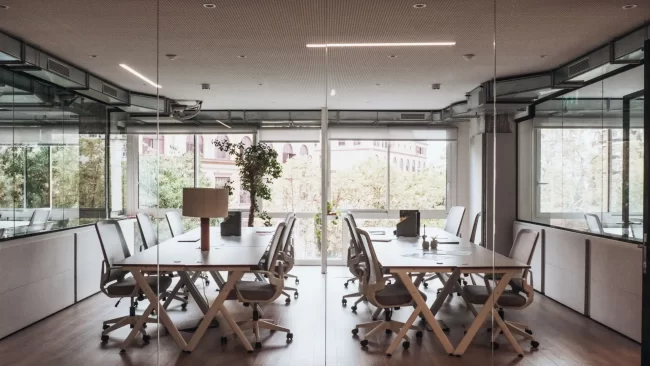
The Importance of Design for Small Offices
Small office design is not just about visual appearance. It directly shapes the functionality and productivity of the work environment and the overall company image.
Enhancing the functionality of the space
The main aim in small office spaces is to use every square meter efficiently. Ease of movement, suitable storage areas, and practical furniture increase functionality. Folding and multifunctional models should be the ideal furniture choices for a small office. They save space and create flexible work zones. Specific areas allocated to office equipment and work tools maintain order. Creating individual work corners for team members helps prevent distraction. Smart office planning makes the space more effective both technically and aesthetically. Zoning small offices makes functional work easier. Open-plan spaces separated into sections look more systematic. Planned use of space also makes workflow faster and more efficient.
Impact on employee motivation
A comfortable, orderly work environment directly affects employees’ mood. Even in a small office, feeling comfortable and valued increases productivity. Correct choices in color, lighting, and ventilation create motivation. A design approach that considers staff needs strengthens collaboration. Creating individual areas increases employees’ concentration. Environmental harmony reduces stress and improves focus on work. Inspiring design elements can support motivation. Motivational wall lettering, natural plants, and colorful accessories improve the psychological environment. Comfortable chairs, adjustable lighting, and quiet surroundings are also important. Even in a small office, it is very important for employees to feel that their needs are respected.
Strengthening brand image
Office design is a powerful visual tool that reflects a company's external image. Choosing the right style for small offices can showcase the company's professional and creative side. The color palette, use of the logo, and design language should reflect the brand's values. Brand elements should be emphasized in areas where visitors are received. Decorative elements aligned with the brand, such as wall art and panels featuring the logo, attract attention. Design that matches the brand identity strengthens the company's way of expressing itself. This approach builds trust in the brand among both employees and clients. Even if it is small, a clean, brand-focused office creates a positive impression on visitors. Employees also feel more like part of the brand. As a result, both internal and external relationships are strengthened.
H2: Key Principles in Small Office Design
Design planning for small spaces should aim to create a balance between aesthetics and functionality. The following principles play a key role in maintaining this balance.
Simplicity and minimalism
A minimalist design approach is an ideal choice for small spaces. Simple lines, fewer pieces of furniture, and visual calm give the space a sense of spaciousness. Cluttered and densely arranged items can make a small office appear even narrower. Minimalism also makes office cleaning and maintenance easier. Every worthwhile item should serve a functional purpose. An excess of furniture reduces the efficient use of space. Minimalist office design provides both mental comfort and work efficiency. Avoiding unnecessary accessories preserves the simplicity of the design. A clear and clean work environment strengthens concentration. With this approach, it is possible to create a space that is both aesthetic and practical.
Proper lighting arrangement
Natural and artificial lighting directly affect the quality of the work environment. Natural light makes a space look larger. Desks near windows create more productive work areas. Artificial lighting is important for focus areas. Lamps positioned above desks help users concentrate. LED lighting reduces energy consumption and gives the space a modern appearance. Light color also affects employees’ psychological state. Cool-toned lights increase attention, while warm tones create a more relaxed atmosphere. Reflective surfaces can enhance light distribution in small offices. Lighting planning requires a professional approach in both aesthetics and functionality.
The psychological impact of color choices
Colors significantly affect people’s psychology and behavior. Light colors give small offices a sense of spaciousness. White, cream, and pastel tones make a space look clearer and airier. Calming colors such as blue and green encourage focus and calmness. Dark colors can be risky for small areas but can be used as accents. Color psychology creates harmony and balance in the work environment. Wall paint and decorative elements matching brand colors also strengthen visual identity. Colors affect employees’ emotional well-being too. Stress levels are lower in offices painted in subdued tones. Contrasting color combinations can make a space look dynamic and creative. The right color choices can provide both visual spaciousness and high spirits.
Ideas for Using Space Efficiently
The most important issue when designing small offices is how to use the space efficiently. The following ideas will help you achieve maximum functionality in confined areas.
Modular furniture and folding systems
Modular furniture is an ideal choice for small offices. It can be changed according to need and used for different purposes. Folding desks and chairs save space and can be put away when not in use. Multifunctional furniture systems, such as chairs and walls with built-in storage compartments, make the space more efficient. A single element can provide both storage and seating. This furniture also offers flexible solutions for teamwork. Meeting tables that can be set up quickly when visitors arrive are highly practical. Folding systems are indispensable when events and meetings take place frequently. Modular furniture also creates a dynamic design appearance. Simplicity and functionality are offered together. In small-office planning, this furniture provides advantages in both comfort and aesthetics.
Wall shelves and vertical storage solutions
Creating storage areas on walls rather than on the floor is one of the key strategies for small offices. Wall shelves can serve both functional and decorative purposes. Vertical storage is an excellent alternative for books, documents, and decorative elements. This approach prevents the floor from becoming overcrowded and makes the space look more open. Wall-mounted boxes and cabinets make it easy to store items. When designing office storage systems, the principle of maximizing vertical space should be considered. Shelving systems planned from bottom to top are more efficient. Special labels can be added to each compartment to avoid wasting time when searching. Wall shelves also enhance office aesthetics, creating a simple and tidy appearance. Offices with vertical storage systems benefit from both organization and space savings. This method is suitable for both single-person and team offices.
Smart storage spaces
Storage areas in small offices should be both concealed and functional. Under-desk drawers, storage compartments inside seats, and wall niches are ideal examples. Smart storage designs keep everyday necessities close at hand and speed up work. Under-desk compartments that conceal cables and hidden document panels are practical. They help the office look organized and clean. Finding any item quickly also improves workflow. Modern smart systems can be changed according to user needs. Digitally locked cabinets and sensor-operated panels are innovative solutions. Such creative ideas are important for using every centimeter of space. These storage strategies create order and discipline in small offices. Practical, aesthetic storage solutions should also be coordinated with the overall design concept.
Style and Decoration Suggestions for Small Offices
Design is not just about functionality; style and visual identity are also important. The following decorating styles bring a distinctive energy to small offices.
H3: Scandinavian style
Scandinavian style has become very popular in office interior design in recent years. This style is characterized by minimalism, natural light, and simple materials. White and light-colored walls, simple furniture, and harmonious decorative elements are typical of this design. In Scandinavian style, functionality matters above all else. Scandinavian design ideas bring a sense of calm and cleanliness to the office. Natural wood furniture and pastel colors make the space feel comfortable and pleasant. This style creates a sense of spaciousness in small areas. Using less furniture also makes the office look more orderly. Lighting in this style should also be simple and natural. Shelves, desks, and lighting elements should be chosen in simple yet functional forms. This style is a perfect choice for work environments that favor simplicity.
Industrial (industrial) Design Approach
Industrial design works primarily with raw materials and creates a technological look. Exposed pipes, concrete walls, and metal elements are among the main features of this style. When industrial design is applied in small offices, the space looks both modern and distinctive. Black and gray tones are used more frequently, but this can be balanced with accent elements. In addition, metal structures combined with wood add a warm atmosphere to the office. Retro-style lamps, leather chairs, and wooden desks complement this design. Industrial style creates motivation in fields that require creativity. In small office spaces, this style expresses both uniqueness and personality. Spaces designed with concrete surfaces and shiny metals are also durable and easy to maintain. If you want a modern and distinctive look, this style is ideal.
Colorful and creative details
Using vivid colors and creative decorative elements in small offices increases motivation. Motivational quotations, graphic illustrations, and panels matching brand colors can be placed on walls. Colorful chairs, desktop objects, and wall accessories bring dynamism to the work environment. This approach particularly suits teams in creative fields. Creative office decoration is both aesthetic and inspiring. Plants, neon lights, and different textures can create a more attractive space. The right color combinations increase office energy. These elements also encourage team spirit and collaboration. Creativity changes not only the office’s appearance but also its atmosphere. Unusual accessories can make the space more personal and inspiring.
Organizing the Workspace and Meeting Areas
In small offices, it is important to organize both individual work zones and small meeting areas effectively. This balance is one of the key design strategies that increase productivity and collaboration.
Balancing the open office area
Although open-office design creates a sense of spaciousness in small areas, it can cause noise and distraction. Visual boundaries are important for a balanced open-plan design. For example, desk partitions or shelves can separate employees. While open-plan design strengthens team communication, acoustic elements should protect concentration. Acoustic panels, carpets, and sound-absorbing ceiling coverings prevent this problem. Comfortable passageways and individual work areas should take priority. Desktop systems should be simple and functional. “Quiet corners” for short periods of individual focus should also be created. In small offices, these zones support both individual and teamwork. With the right planning, an open space can provide both collectivity and private focus.
Creating small meeting corners
Although every office needs a dedicated meeting area, creating this space can be difficult in small offices. Multipurpose rooms, meeting areas separated by movable curtains, and folding tables can be used for this purpose. Placing the meeting area in a soundproof corner eliminates interference from surrounding noise. Wall-mounted screens, microphones, and camera systems for video conferencing can also be added. Neutral and calm tones should be used in the color scheme to support concentration. Comfortable seating and adjustable lighting provide additional benefits for meeting corners. In a small office, this area can also be used as a workstation when it is not being used for meetings. Folding tables and chairs allow the space to be changed flexibly. Such modular meeting areas enable multipurpose use in small offices. With proper planning, it is possible to achieve an ideal solution suited to both the available space and technical requirements.
Design of individual focus zones
Individual focus zones are intended to allow employees to perform quiet, attention-demanding work comfortably. Simple but effective methods exist for creating these zones in small offices. Mini booths separated by acoustic panels and individual stations positioned along walls are effective. Personal focus corners give employees a sense of their own space and improve concentration. Lighting in these zones should be more adjustable and directional. Focus-centered design is particularly helpful for employees working on projects and analysis. Mobile device rules, silent mode, and minimal visual stimuli can be applied in these areas. Ergonomic chairs and suitable desk dimensions are also important. Focus zones should be arranged aesthetically to match the overall office design. They can also be planned flexibly so they can become shared-use areas at any time. Such zones play an important role in balance and productivity in small offices.
Enhancing Comfort through Technology
Technology is one of the main tools for improving the functionality of small offices and simplifying everyday tasks. The right technological solutions can save both space and time.
Wireless systems and cable management
Cables and wires create visual discomfort in small offices and make space harder to use. Wireless technologies and cable management systems play an important role in solving this problem. Wireless keyboards and mice, Wi-Fi printers, and Bluetooth headphones increase freedom of movement. Cable management systems under desks and along walls create order, ensuring both safety and aesthetic appearance. All cables can be concealed with power strips and cable channels. Underfloor or in-wall cable systems create a sense of spaciousness in small offices. Wireless chargers and portable power sources keep desks less cluttered. Making every device wireless provides both a modern appearance and practical convenience. This technological approach increases employees’ freedom of movement and comfort.
Smart Office Devices and Applications
Smart office technologies can make a big difference in small spaces. These systems both save time and automate workflows. Digital meeting schedulers, task management software, and cloud-based file sharing increase productivity. Smart thermostats and lighting systems also reduce energy consumption. Sensor-controlled lighting systems operate based on employee presence. Office announcements and plans can be shared visibly through digital screens. Smart office systems make both individual and team work easier. Office management can now be carried out from a smartphone using mobile applications. Since space is limited in small offices, these technologies optimize both space utilization and time planning. An office equipped with smart technologies is both modern and productive.