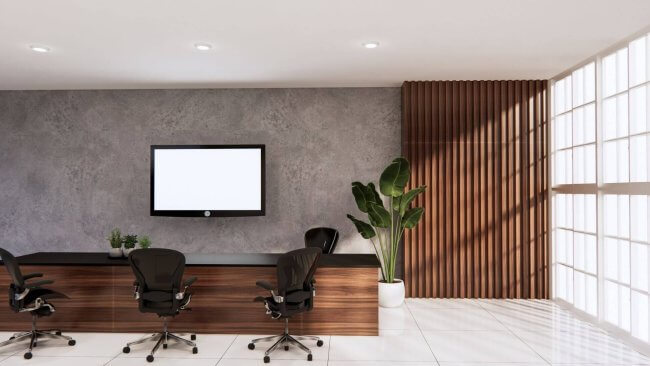
Office design is not just about aesthetic appearance; it is also a combination of productivity, psychological comfort, and functionality. Today, many companies follow the principle of “less, but better quality” and design their spaces around a minimalist design concept. A minimalist approach offers both visual comfort and functional advantages, particularly when choosing office furniture. An office built around fewer pieces of furniture, simple forms, and neutral colors enables employees to focus and reduces stress levels. For office furniture companies such as İntegrogroup.az, this approach meets the demands of the modern business world and offers both aesthetic and practical advantages.
Minimalism is not merely a decorating trend but also a powerful means of influencing the psychology of the work environment. Minimalist offices create a clean visual structure, reduce clutter, and increase productivity. This approach allows employees to feel more at ease and calm. The article will provide detailed information about the benefits of minimalist office design, ways to implement it, 2025 trend forecasts, and its effects on health and psychological well-being.
Advantages of a Minimalist Office
One of the greatest advantages of a minimalist office is its combination of functionality and simplicity. This office design ensures efficient use of space, avoids distracting employees, and creates an aesthetically comfortable feeling. Minimizing additional details allows any company to achieve more impact at lower cost. Office furniture suppliers such as İntegrogroup.az offer modern, simple, multifunctional products with this approach in mind. Let us examine specific examples of these advantages in greater depth:
Improved focus through reduced visual clutter
A visually uncluttered environment helps employees concentrate. Simple wall colors, fewer pieces of furniture, and open spaces calm the mind. Numerous colorful accessories, furniture in different styles, and cluttered desks can reduce productivity. Since a minimalist approach places only necessary items in the office, distracting elements are reduced. This creates an ideal environment, especially for tasks requiring analytical thinking. Simplicity does not place an additional burden on employees as they process information and make decisions.
The impression of a spacious and tidy space
Minimalist office design makes a space look larger and clearer. Fewer pieces of furniture, a light color palette, and a well-planned workspace can make even small offices feel more functional and spacious. For example, white walls and light-colored desks visually add depth to a space. Choosing office furniture models with simple lines further enhances this effect. It also makes the company appear more organized and professional to customers. A sense of spaciousness also gives employees calmness and comfort.
Key Features of a Minimalist Office
Minimalist office design is not merely about visual aesthetics. It is a design concept built on the principles of functionality, simplicity, and calm. In this type of design, the purpose and function of every element are clear. Nothing is superfluous—either physically or visually. Modern office furniture manufacturers such as İntegrogroup.az offer furniture that meets precisely these characteristics: simple forms, concealed storage, and neutral tones. This approach is an ideal choice for both large companies and small startups. A minimalist office style also shows that the business is structured and open to technological developments.
Quietness and comfort are the main priorities in a minimalist office environment. Acoustic solutions, tidy storage systems, and a neutral color palette make the office look more harmonious and balanced. Below, let us examine the most important features of this design:
A neutral color palette and clean lines
The main visual characteristic of minimalist design is the predominance of neutral, calming colors. White, gray, beige, and pastel tones create a calm, professional atmosphere in the office. In addition to reducing visual overload, these colors bring more light and clarity to the work environment. Furniture models with clean, straight lines emphasize simplicity. Such furniture is also more functional because its design is based not only on beauty but also on ease of use. These furniture models are particularly prominent among İntegrogroup.az products. Simplicity also means timeless design.
Concealed and functional storage systems
In minimalist offices, every item should have its own place. Smart storage systems are indispensable for preventing clutter. Drawer systems, enclosed shelving, and multifunctional cabinets are integral to the minimalist style. Such furniture meets users' needs while also creating a visually organized environment. Under-desk boxes, enclosed filing systems, and compact cabinets reduce overcrowding in the office. At the same time, cleanliness and order are maintained. The absence of unnecessary items in the space directs employees' attention solely toward their main activities.
The Philosophy of Minimalism and the "Less is More" Principle
Minimalism is not just a design style; it is a way of life. This philosophy is applied in various areas of life – clothing, architecture, interiors, and even decision-making processes. In the office environment, minimalism means focusing only on essential matters, eliminating clutter, and encouraging functional simplicity. The "Less is More" principle means creating greater functionality and comfort with fewer objects. This concept is invaluable for creating depth through simplicity and balancing aesthetic appearance with performance.
Minimalism is also based on establishing visual values and relationships between objects correctly. In the work environment, this helps employees work more comfortably and productively. Under the following subheadings, we will discuss the history of this philosophy and its practical application:
The philosophical roots of Mies van der Rohe and Dieter Rams
Ludwig Mies van der Rohe, one of the founders of modern architecture, is known for the phrase "Less is more". His approach to architecture and interior design was built on simplicity and functionality. This philosophy was later developed by industrial designers such as Dieter Rams. Rams's principle that “Good design is invisible” shaped the foundations of minimalist design. This approach is also reflected in the selection of office furniture. Modern furniture brands such as İntegrogroup.az use these ideas as a foundation to create functional and aesthetically pleasing products.
These philosophical roots remove numerous elements from modern interior design and focus primarily on form and function. This creates an environment that is both beautiful and comfortable for the user.
Zen Aesthetics and the Power of Empty Space (“ma”)
The philosophical foundations of minimalism were shaped not only by European cultures but also by Asian cultures. In Japanese Zen philosophy, the concept of “ma”—the power of emptiness and silence—is important. In this approach, empty space is not simply “nothing,” but a place that draws attention and allows room to breathe. Applying this philosophy in the office involves choosing fewer, functional pieces of furniture. Details such as leaving space around desks, ensuring that cabinets do not take up too much room, and keeping walls clear reflect this philosophy.
This approach also directly affects employee psychology by creating an open and calm environment free from crowding. For this very reason, minimalist design is considered an indispensable tool for increasing productivity. Offices created through the application of Zen aesthetics offer an atmosphere that is peaceful and balanced both visually and spiritually.
Implementing Minimalist Office Design
Accepting minimalist office design in theory is one thing; implementing it correctly in practice is something else entirely. During implementation, consideration must be given not only to furniture selection but also to important factors such as space planning, zoning, workflow organization, and employee needs. Modern offices require greater functionality, flexibility, and aesthetic balance. For this reason, the practical application of the minimalist design concept is reflected in every detail.
A minimalist approach can be adapted to every part of an office – from employee desks to meeting rooms, and from relaxation areas to archive rooms. The aim is not only to save space, but also to ensure that the environment has a positive effect on employees’ psychology. Below is a detailed explanation of implementation methods and design techniques:
Zoning techniques in open-plan offices
Minimalist design can be applied more effectively in open-plan offices. Functional zones should be created in such spaces instead of separate walls and rooms. These zones can be defined by color differences, furniture placement, and lighting. For example, employee desks form one zone in an open-plan office, while the relaxation corner forms another. Acoustic panels, open shelves, and even plants can also provide zonal separation.
Such division both maintains order in the office and ensures that everyone can work comfortably in their own workspace. The modular furniture systems offered by İntegrogroup.az make it easy to create different zones in open layouts.
Multifunctional furniture and maximum use of space
One of the main requirements of minimalist office design is the use of multifunctional furniture. Such furniture can simultaneously function as storage, a work surface, and a decorative element. For example, furniture that functions as both a desk and a bookshelf is an excellent choice for minimalist spaces. Examples include wall-mounted folding desks, chairs with storage inside the seat, and storage systems integrated into the floor.
This approach both saves space and ensures that the office looks more open and tidy. The availability of such furniture among İntegrogroup.az products creates an excellent opportunity for those wishing to implement minimalist design. Multifunctional furniture provides both aesthetic and practical advantages.
Types of Furniture Used in Minimalist Offices
Minimalist design is not only about simplicity – it also involves furniture functionality, material quality, and aesthetic arrangement. Minimalist office furniture should be chosen for maximum function and minimum design elements. Furniture in this style creates a tidy, uncluttered appearance and does not distract employees. Alongside aesthetic simplicity, comfort and durability are priorities.
The main aim when choosing furniture is for every element to harmonize with the overall design of the space and meet employees’ everyday needs. Below is information about the types of furniture most commonly used in minimalist office environments:
Streamlined writing desks and concealed cabinets
Desks used in minimalist offices are distinguished by their simple lines, neutral colors, and minimal surface details. Unnecessary elements are kept off these desks, and space is reserved only for essential items. Concealed cabinets positioned beneath the desks ensure that documents and personal belongings are stored neatly. These cabinets also prevent clutter in the office.
Desks offered by brands such as İntegrogroup.az are not only functional but also create a visually timeless and professional appearance. Such desks are suitable for both open-plan offices and small private offices.
Ergonomic, simple office chairs
Since office chairs directly affect employee health, this element should receive special attention in minimalist offices as well. In addition to their simple design, ergonomic chairs have a structure that properly supports the lower back, neck, and back. Minimalist chairs are often a single color, without bright details or artificial embellishments.
Some models can be folded, and their height and backrests can be adjusted – providing a personalized fit for any user. The chairs offered by İntegrogroup.az fully meet minimalist design principles in both aesthetic and functional terms.
Points to Consider in Minimalist Office Design
Minimalist office design is not as simple to implement as it appears. Behind the simplicity, a planned, purposeful, and aesthetically balanced arrangement is required. Designers and business owners should pay attention to certain key principles when applying a minimalist approach. If these details are not handled correctly, the space can appear cold, boring, and functionally inadequate. Therefore, many aspects require special attention from both a visual and a technical perspective.
The following subheadings explain the important aspects of minimalist office design in detail:
Compatibility of lighting + neutral color choices
Light is the soul of minimalist spaces. Proper lighting adds softness and dynamism to an office environment. Combining a neutral color palette with natural and artificial light ensures that the office looks lively and comfortable at any time. White, cream, and beige tones make offices with natural daylight look larger. If natural light is limited, it is important to brighten the space with LED lights and keep wall colors light.
Since the furniture offered by İntegrogroup.az has neutral tones, it can be coordinated with any type of lighting. Lighting is important not only for aesthetics but also for employee productivity. The balance between cool and warm lighting must also be taken into account in minimalist design.
Acoustic management and zoning
Sound transmission can be a serious problem in open-plan offices. Since minimalist design is based on calmness and attention, acoustic management plays an important role here. Ceiling panels, wall coverings, soft textile elements, and furniture fabrics can absorb sound and create a quiet environment. Color choices should also be coordinated with the acoustic design, avoiding bright, irritating tones.
At the same time, dividing the space into zones should be done carefully. Relaxation, meeting, and individual work areas should be clearly distinguished from one another. This separation can be achieved both with physical walls and through lighting and color techniques. The modular furniture from İntegrogroup.az offers ideal solutions for this type of zoning.
The Future of Minimalist Office Design
Minimalist office design is no longer merely an aesthetic trend; it is a strategic approach for future work environments. Rapid technological development, changes in the labor market, and calls to prioritize employee well-being give minimalism even greater prominence. Work culture is becoming more flexible and purposeful, requiring office design to be smarter and more functional than ever. Minimalism leads the way as the design approach best suited to these changes.
Under this heading, let us look at the main trends shaping the minimalist offices of the future:
Hybrid and flexible workspaces
Hybrid working models have become more widespread since the pandemic. Employees spend part of the day at home and part in the office. This change gives minimalist design a larger role, because flexible spaces need adaptable, functional furniture. For example, folding desks, cabinets that can be moved on casters, and modular seating areas adapt an office to rapidly changing needs.
Such design also increases employee satisfaction and reduces workplace stress levels. The mobile furniture models offered by İntegrogroup.az are an ideal choice for modern office owners in this respect. A flexible design approach allows full adaptation to employee rotation, team changes, and technological integrations.
IoT and smart furniture integration
Technology plays a central role in the minimalist offices of the future. IoT (Internet of Things) technology is already being used in furniture as well. Sensor-controlled lighting, smart chairs, and desk systems that regulate temperature and humidity make the minimalist office environment smarter and more energy-efficient. Such systems both increase employee comfort and reduce the company's management burden.
Compared with traditional furniture, smart furniture occupies less space and is multifunctional. For example, a desk can simultaneously serve as a charging station, document storage, and a video conferencing system. Such designs take the minimalist office style a step further, both aesthetically and technically.
Minimalist Office Design Trends for 2025
Minimalist office design evolves over time, and new trends bring fresh energy to the field each year. The design trends forecast for 2025 aim to make the work environment more functional, environmentally friendly, and people-oriented. As technology and social behavior change, new approaches based on simplicity and balance will come to the forefront in offices. These trends will be important not only aesthetically but also for employee well-being and productivity.
Below, we analyze these trends under specific subheadings:
Biophilic design: harmony with natural elements
Biophilic design is an approach aimed at strengthening the connection between people and nature, and combining it with minimalist design creates visual and emotional balance. In 2025, we will see more green plants, wooden materials, stone wall panels, and water features in offices. These elements calm the office atmosphere, reduce stress, and encourage creativity.
In addition, biophilic design will be linked to ventilation systems – greater use of natural ventilation and daylight will improve office health and energy efficiency. To integrate these elements into a minimalist environment, it will be important for furniture to be made with simple, natural materials. In this respect, İntegrogroup.az offers on-trend choices with furniture models made from natural wood and bamboo.
Sustainable and eco-friendly furniture
In 2025, sustainability and an ecological approach will be at the heart of office design. Minimalist offices will choose not only fewer objects but also products with less environmental impact. FSC-certified wood, desks and chairs made from recyclable materials, and formaldehyde-free finishes will play a key role in this area.
At the same time, furniture production that reduces the carbon footprint, support for local manufacturing, and energy-efficient lighting systems will make minimalist design not only aesthetic but also socially responsible. These trends increase both customers’ and employees’ trust in the brand.
The Impact of a Minimalist Office on Human Health and Psychology
Minimalist office design is not only about visual aesthetics but also a functional approach that positively affects employees' physical and psychological well-being. An organized, tidy, and visually soothing environment reduces employees' daily stress levels, improves focus, and increases overall productivity. For this reason, psychologists and health specialists have particularly recommended minimalist office environments in recent years.
Psychological well-being and reduced stress
By reducing visual clutter, a minimalist office environment eliminates additional mental burdens. Psychological research shows that cluttered workplaces filled with too many objects create anxiety, confusion, and distraction. In contrast, people working in open, simple spaces are calmer, more focused, and more emotionally balanced.
The brain works more comfortably when its surroundings are simple and orderly. For example, keeping only everyday items on the desk, using neutral tones in the decor, and removing unnecessary details direct attention to the main tasks. Thus, a minimalist office is not just about appearance; it is an important factor that also positively affects the daily work routine.
Ergonomic Furniture – Physical Health
Physical health is also very important in the office environment, and ergonomic furniture with minimalist design is particularly significant in this respect. Ergonomic chairs, height-adjustable desks, and seats with lumbar support help maintain body posture during working hours. This prevents lower back, neck, and shoulder pain.
The ergonomic office furniture offered by İntegrogroup.az is both functional and simply designed. It provides the support important for employees’ long-term health while preserving a minimalist aesthetic in the office. Here, minimalism is not only about simplicity; it also plays a key role in health and durability.
Elegant Small-Office Decoration with Luxury Details
Although minimalist office design prioritizes simplicity and functionality, this approach does not conflict with luxury and elegance. On the contrary, the concept of "minimalist luxury" has become a distinct trend in modern interior design. It involves using a small number of high-quality, aesthetically refined details. For small offices, this approach can produce excellent results in visual beauty, prestige, and comfort.
Rich Texture with Premium Materials
One of the most successful ways to introduce luxurious details into a minimalist office is to use high-quality materials. For example, a desk with a natural wood texture, a chair made from genuine leather, or desks with metal legs are both aesthetically pleasing and durable. When combined with simple forms, these materials create visual calm while reflecting refined taste.
When used selectively in minimalist spaces, marble surfaces and shiny gold or matte black accents provide a sense of luxury without creating an excessively decorative effect. This approach fully aligns with the principle of "expressing more with less". Such decorations also create a professional and attentive image for customers entering the office.
A Subtle Touch with Minimal Accessories
Accessories used in elegant office decoration should be simple but effective. Instead of large, colorful decorations, a simple vase, a minimalist wall clock, monochrome paintings, or tectonic lighting elements can be used. When these accessories are chosen to match the overall office style, they create harmony and help avoid visual clutter.
Additionally, natural elements — such as green plants in white pots, light-colored stone containers, or linen curtains — support both minimalist and luxurious decor styles. Such details create not only beauty in the office but also comfort and emotional balance.