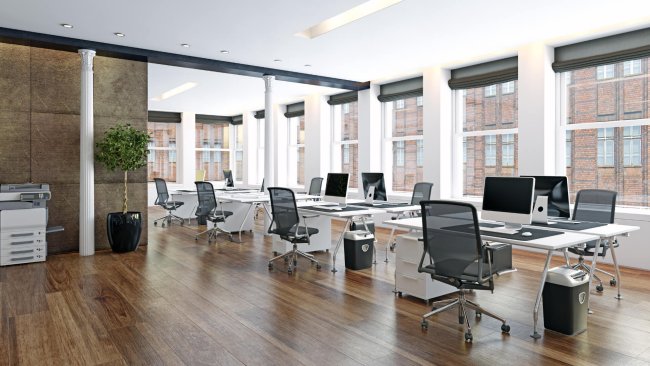
In today's business world, significant changes are taking place in office planning to increase productivity and strengthen collaboration. In particular, the open-plan office is a popular workplace model adopted by many companies today. In this model, furniture selection must consider not only aesthetics but also functionality and ergonomics. Choosing the right furniture positively affects employee comfort, workplace motivation, and overall productivity. Open-plan office furniture includes not only desks and seating but also acoustic panels, storage systems, and suitable areas for collaboration. The remainder of this article will explain the concept of an open-plan office, the key principles of furniture selection, and the details of space design suited to this model. Our goal is to provide all the information needed to create an open-plan office environment that is both functional and tasteful. Now, let us first understand what an open-plan office environment is.
What Is an Open Office Environment?
The open office environment is a concept created to increase collaboration and transparency in the modern business world. Unlike traditional office divisions, this model encourages more working together. The main characteristics and purpose of this environment will be explained in detail in the remainder of this section.
The open office concept and its purpose
The open-office model involves a spacious, undivided workspace where employees are not physically separated from one another. Its main aim is to strengthen collaboration and accelerate information flow. An open-office plan creates more flexible working conditions and allows team members to communicate easily. It provides speed and transparency in decision-making. The most suitable furniture for open offices should meet both the space’s aesthetic and functional requirements. Closer contact between employees creates more active communication. Furniture selection should be planned to support this interaction. Open offices offer more dynamic, flexible environments as an alternative to static private offices. These models are particularly popular in technology- and creativity-oriented companies. Overall, open-office planning speeds up work and increases spatial efficiency.
Advantages and disadvantages of this model
The open-office model has several advantages. Most importantly, it strengthens collaboration and teamwork. It also allows office space to be used more efficiently. An open plan enables a company to accommodate more employees in fewer square meters. This saves office rental and equipment costs. However, this model also has disadvantages. Noise and distraction, for example, are common problems. A lack of personal space may also cause discomfort for some employees. Acoustic furniture solutions, personal zones, and ergonomic furniture choices are therefore important in open offices. The right design and furniture selection can minimize these disadvantages. Thus, an open-office environment can be made both efficient and comfortable.
Key Principles for Choosing Open-Office Furniture
When selecting furniture for an open office environment, not only beauty but also functionality should be considered. Ideal furniture should be both comfortable and conducive to collaboration. This section will explore the key principles to consider when selecting furniture.
Functionality and comfort
Functionality should come first when choosing open-office furniture. Furniture should not merely look attractive; it should also facilitate daily work. Desks and seats should be multifunctional and meet different users’ needs. Height-adjustable desks and mobile chairs are examples of a functional approach. Comfort is important for employees to work productively for long periods. Uncomfortable seating and narrow desks can cause discomfort and reduce performance. Integrated electrical and internet connection systems also increase functionality. The more purposes open-office furniture serves, the more efficient workflow becomes. Functional furniture also helps the space look compact and orderly. Selection should therefore prioritize functionality as well as appearance.
Aesthetic Appearance and Brand Alignment
Office furniture should be not only functional but also visually appealing. Open office design should align with the company's corporate image. Using brand colors in furniture adds value to the design and strengthens company culture. The shape, color, and material of the furniture should be chosen to suit the overall office atmosphere. For example, technology companies prefer more minimalist and modern designs. Aesthetic appearance has a significant impact on employee motivation and first impressions. Open office spaces should be visually spacious and bright. Clean design lines and light color tones enhance this effect. The harmonious appearance of furniture creates a positive impression for both visitors and employees. Thus, choosing aesthetically pleasing furniture is not simply a design matter, but a visual expression of company values.
The importance of ergonomic design
Choosing ergonomic furniture is indispensable for employee health and productivity. Ergonomic design should provide desks, chairs, and keyboard supports adjustable to employees’ body types. This furniture prevents lower-back, neck, and upper-back pain. It is vital for people who work in front of a computer for long periods. Adjustable seat height, armrests, and rear lumbar support create a healthy work environment. Footrests, monitor platforms, and seats with curvature adjustment complement ergonomics. Comfort in the work environment reduces both physical and mental stress. Providing these conditions for every employee in an open office positively affects overall productivity. Thus, ergonomic furniture is not just comfort; it is an investment in work quality.
Types of Furniture Suited to Employee Activities
In an open-office environment, it is important to choose furniture with employees’ different roles and working styles in mind. Each employee’s daily activities may differ, making suitable furniture even more important. In this section, we will analyze ideal furniture examples suited to work processes in detail.
Choosing a desk and chair
Desks and chairs are the most frequently used furniture in an open office environment. Since these elements are the main equipment employees use throughout the day, they should be selected carefully. Choosing an ergonomic desk and chair not only protects employees' physical health but also increases work productivity. Adjustable chairs and desks suited to the appropriate height create more comfortable working conditions. Swivel chairs and seats equipped with casters make movement within the office easier. Desktop organizers and cable management systems help keep the desk tidy. Material selection is also important; for example, wood, metal, or melamine surfaces should be evaluated in terms of both aesthetics and durability. Some offices use sit-stand desks, which further enhance ergonomics. Providing furniture suited to an employee's personal needs creates psychological comfort and delivers effective results. Most importantly, the choice of desk and chair should visually complement the overall office design.
Modular and flexible furniture systems
Modular furniture systems are among the solutions best suited to the flexible nature of open offices. They can be reconfigured at any time and adapt to staff growth or changes. Flexible office design requires a response to changing needs, making modular furniture highly practical. It can be arranged in new combinations whenever desired, saving time and resources. Divisible workstations, easily positioned sofas, and mobile partitions are examples. These systems balance collaboration and individual work. Modular furniture allows efficient office space use. It is not only functional but also gives the office a modern appearance. It is ideal for saving space too. When employee seating plans change, adjusting modular elements resolves the issue instead of buying new desks. Modular furniture systems are thus an excellent choice for long-term, flexible use.
Furniture for meeting and collaboration areas
The design of collaboration zones in an open office environment plays a decisive role in work productivity. The choice of interactive and comfortable furniture for these zones directly affects the level of collaboration. Meeting tables, comfortable seating, and cushioned corners in open areas create a favorable environment for informal meetings. Furniture selected for these zones should also have sound-absorbing properties. Portable whiteboards, projector stands, and technology-compatible tables are important in areas intended for collaboration. Comfortable sofas and framed armchairs encourage informal exchanges of ideas. Furniture should be flexible so that the layout of the area can be changed when necessary. In these spaces, color choices and furniture forms should stimulate creativity. In addition, high tables (standing desks) are very useful for short, dynamic meetings. Ultimately, furniture chosen for meeting and collaboration areas should improve the quality of communication and cooperation within the office.
Furniture Solutions for Acoustics and Privacy
One of the biggest problems in an open office environment is noise. Privacy and concentration can be seriously affected in this noisy environment. For this reason, special furniture solutions that provide acoustic and private zones are needed.
Acoustic panels and booths
Acoustic panels are used to prevent sound from spreading in open office spaces. These panels can be installed on walls, ceilings, or between pieces of furniture. Made from sound-absorbing materials, these panels help support concentration and create a quiet work environment. Booth-style furniture (pod) provides a higher level of privacy and quiet. Designed for phone calls and online meetings, these booths are highly functional. Acoustic materials also give the office a visually modern appearance. The availability of panels in various colors and shapes further enhances their aesthetic appeal. These panels can be used in zones designated for both individual employees and small groups. When acoustics are not considered in office design, noise pollution can significantly reduce employee productivity. Acoustic furniture is one of the effective ways to prevent this problem.
Dedicated areas for confidential conversations
In open offices, everyone working in the same area can make it difficult to meet individual privacy needs. For this reason, furnished zones and small rooms dedicated to private conversations are important. The furniture used in these spaces should both ensure quiet and provide comfort. Conversation booths, semi-enclosed sofas, and portable partitions are examples of this. These areas are usually used for client meetings and HR discussions. Privacy strengthens employees' sense of comfort and reduces psychological stress. Such zones are ideal for creating individual spaces within an open office. Partitioning furniture elements effectively separate these areas from the shared space. Materials and colors should also be selected to enhance the sense of privacy. Spaces of this kind are essential for employees to comfortably conduct private and formal conversations. Having private areas raises the professional standard of the overall work environment.
Durability in Furniture Selection
Today, attention is focused not only on functional and aesthetically pleasing furniture but also on environmentally sustainable choices. Durable products that do not harm the environment both strengthen a company’s image and demonstrate a sense of responsibility toward future generations. The materials used play a major role in ensuring that office furniture is long-lasting and high-quality. Durable furniture is economical and reduces the need for frequent replacement. Natural, strong materials such as wood, metal, and bamboo are ideal for this purpose. Furniture made from recyclable materials benefits both nature and the budget. More environmentally friendly solutions should be chosen instead of plastic elements that wear out quickly. Such materials are more resistant to moisture, use, and damage. In the long term, durable furniture increases the company’s value and the quality of the workplace. Warranty periods offered by furniture manufacturers should also be evaluated in this regard. Durable materials also create a professional, reliable appearance in the workplace. These furniture choices positively affect the company’s social responsibility strategy.