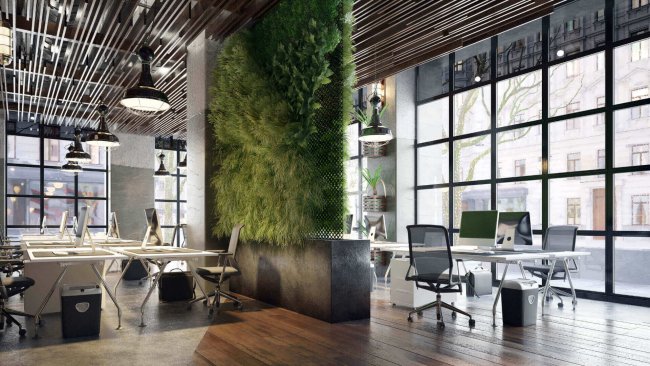
Today, office design is not limited to aesthetic appearance; factors such as functionality, ergonomics, and suitability for the working environment are also at the forefront. Office furniture is one of the most important elements in this respect. Employees' comfort and productivity, and even the first impression made on clients, are directly linked to the furniture selected. Modern office furniture consists of more than just a simple desk and chair. It is an office's calling card. Choosing the right furniture creates a professional image while also optimizing the work process. This is precisely why making the right choice when ordering office furniture is extremely important. Concepts such as office interiors, employee motivation, functional design, and aesthetic compatibility should be considered when making a selection. In this blog, we will explain in detail the key points you should pay attention to when ordering modern office furniture. Through the headings below, you will learn about design aspects, technical specifications, and what to consider when choosing a supplier. If your goal is to transform your office into an environment that is both modern and functional, this article is for you.
What is modern office furniture?
The concept of modern office furniture is not limited to visually appealing design. This furniture consists of functional, comfortable, and technologically compatible elements. The main aim is to maintain aesthetics in the work environment while meeting employees’ needs. Let us examine the detailed features of this concept and how it differs from classic furniture.
Key features of modern style
The main features of modern office furniture include minimalist design, functionality, modular structures, ergonomic forms, and integration with smart technologies. This furniture avoids excessive and complicated details, prioritizing simplicity and practicality. For example, multifunctional desks can serve as both a workspace and a storage unit. At the same time, dedicated cable-routing channels and power outlets provide technological convenience. Color selection is also important in modern furniture. Neutral and calm tones are usually preferred. Colors such as black, gray, white, and beige emphasize simplicity and modernity. Symmetry and straight lines dominate modern design. Overall, this type of furniture creates an excellent balance between office aesthetics and employee comfort. This furniture, which works in sync with technology, is also coordinated with the office's brand identity.
Differences from traditional furniture
Modern office furniture differs from classic furniture in many respects. Classic style generally uses heavy wood materials and prioritizes decorative elements. Modern furniture, on the other hand, is made from lightweight, modular, and easy-to-move materials. Classic furniture is fixed and unchanging, while modern furniture is versatile and adaptable. For example, modular cabinets and mobile desks can be rearranged to suit modern office requirements. In classic furniture, aesthetics take priority, but functionality sometimes takes second place. Modern furniture maintains a balance between these two characteristics. Ergonomics, meaning suitability for the human body, is also an important feature of modern furniture. Classic furniture can sometimes cause discomfort during prolonged sitting. Modern furniture improves employee well-being through lumbar support, adjustable height, and other features. In conclusion, modern office furniture represents a more flexible, technological, and functional approach.
The impact of office furniture choices on the work environment
Office furniture does not serve only an aesthetic purpose. It also directly affects employees' productivity, health, and even mood. Ergonomic design, functional space planning, and aesthetic compatibility enable employees to work more comfortably and productively.
Ergonomics and employee comfort
Ergonomic office furniture is one of the key factors in an employee's physical health and long-term comfort. A desk at the correct height and an adjustable seat minimize an employee's back, neck, and shoulder pain. Ergonomic chairs are equipped with lumbar support, armrests, and breathable materials. This provides considerable comfort for employees who spend long hours sitting at a computer. Furniture that does not follow ergonomic principles, however, can harm both an employee's health and motivation. In such an office, employees tire quickly, and the quality of their work declines. For this reason, the choice of office chair and desk height should be carefully planned. When health is taken into account in the working environment, overall work performance also improves. A comfortable and healthy working environment positively affects not only employees' physical well-being but also their psychological well-being. For this reason, ergonomic features should be among the first criteria considered when ordering modern office furniture.
Impact on work productivity
Modern, correctly selected office furniture is one of the main factors increasing employee productivity. Employees equipped with comfortable, functional furniture can focus better. In an uncluttered environment where everything is accessible, employees work more efficiently. Desk dimensions, storage areas, and seat comfort directly affect work quality. Color choices that do not cause visual discomfort or eye strain are also important. Together, these factors reduce stress and increase attention. Technological compatibility is another important productivity factor. Integrating electrical outlets and USB ports into desks makes work easier. Tangled cables, an uncluttered desktop, and comfortable seating make the work environment ideal. Modern office furniture is therefore indispensable not only aesthetically but also for productivity.
Aesthetic Appearance and Customer Impressions
Customers entering an office first notice its interior and furniture. Modern, tastefully selected furniture creates a professional, reassuring impression. Office design is therefore considered part of brand image. A bright office with light tones and a harmonious arrangement looks more attractive. Color coordination, harmony between furniture pieces, and an orderly space give the company added value in customers’ eyes. For example, retro-style furniture in an innovative company can create a mismatch. Furniture selection is particularly important in customer meeting areas, such as waiting zones and meeting rooms. Modern furniture in these spaces communicates the company’s creativity, aesthetic taste, and technological approach. Office furniture is thus a key visual element influencing customer impressions.
Key points to consider when ordering modern office furniture
When ordering modern office furniture, attention should be paid not only to visual aspects but also to functional and technical details. Room size, working style, employee numbers, and the company’s activities are the main factors influencing these choices. Under the following headings, we explain each of these points in detail.
Suitability for the dimensions of the space
When ordering office furniture, the dimensions of the space should be considered first. Large, wide furniture in small offices is inefficiently positioned and restricts employees’ freedom of movement. Modular and collapsible furniture is a more efficient choice in these cases. Spacious desks and separate offices may be ideal for large office areas. During space planning, the dimensions of the places where furniture will stand should be calculated correctly. Social distancing between employees, passageways, and safety rules should be considered. Areas receiving light, air conditioning, and electrical outlets should also be considered when positioning furniture. Placing furniture too close to walls and windows can make working conditions uncomfortable. Thus, choosing furniture suited to the space plan increases office functionality and ensures employee comfort.
Materials and quality
Because office furniture is intended for long-term use, manufacturing it from quality materials is very important. MDF, wood, metal, and laminate each have distinctive advantages. Modern furniture usually favors scratch-resistant, easy-to-clean materials. Cheap, low-quality furniture can deform quickly and cause additional company costs. Particular attention should therefore be paid to the strength of structural components and assembly quality. Surface materials should resist water and heat while remaining stain-resistant. Construction should be safe and stable. Metal and plastic parts should also have protective coatings against rust and damage. Quality furniture is more reliable both aesthetically and functionally. Good furniture preserves its shape and functionality for many years, making it a cost-effective investment.
Functionality and modularity
Functionality and modularity are among the main advantages of modern office furniture. One piece should be able to perform several functions. For example, desks with under-desk storage save space and improve organization. Modular furniture can be reconfigured at any time and used for different purposes. These features suit frequently changing layouts and companies where teams relocate often. Mobile cabinets, caster-mounted desks and seats, and combinable meeting tables are functional features of modern furniture. Functionality also means optimizing work areas, increasing productivity, and providing flexibility in office planning. Furniture structures suited to changing working models, such as hybrid or open-office systems, are important. Functional furniture selection ultimately creates not only comfort but also a strategic advantage.
Technological compatibility (electrical connections, cable routing, etc.)
Modern office furniture should work in sync with technological infrastructure. Electrical outlets, USB ports, and cable-routing compartments should be integrated into the main structure. This keeps tangled cables off desktops, which matters for aesthetics and safety. Cable management systems and power distribution modules, for example, allow employees to work comfortably. Correct technical positioning of electrical devices also extends office equipment life. Technological compatibility is important for proper installation of projectors, screens, and sound systems in conference rooms too. It speeds up work and creates a modern appearance. Integration with Wi-Fi booster modules, power banks, and smart systems is an important feature of modern furniture. Technologically compatible office furniture thus maximizes workplace efficiency.
Color and design harmony
Color selection and design compatibility determine the office’s visual cohesion and emotional effect on employees. Colors should be chosen correctly because they affect human psychology. For example, blue is calming, while green gives a sense of comfort and naturalness. Modern office furniture is usually chosen in light tones because this makes the space look larger and brighter. Furniture coordinated with brand colors supports corporate identity. Symmetry and simplicity also reflect modern style. Using different color divisions for different functions simplifies office planning. For example, brown and beige tones can be chosen for meeting zones and more vivid colors for creative areas. Color coordination should apply not only to furniture but also to wall paint and lighting systems. Thus, color and design harmony are key elements shaping office atmosphere both aesthetically and functionally.
The ordering process and choosing a supplier
When ordering office furniture, choosing the right supplier is extremely important for obtaining quality products and avoiding problems during delivery and handover. Working with experienced, reliable furniture manufacturers is a key condition for completing the project successfully. At this stage, both the design and technical specifications of the furniture should be planned in detail.
Experienced and reliable furniture manufacturers
Choosing a reliable furniture manufacturer ensures a quality order delivered correctly and on time. Such companies usually have an extensive portfolio, positive customer reviews, and many years of experience. Reviewing a manufacturer’s previous work before ordering is recommended. This gives a clear understanding of both style and workmanship. Professional manufacturers also provide technical consultation and design support. This is particularly important for offices with nonstandard dimensions or custom projects. Suppliers who communicate properly, listen to suggestions, and offer solutions suited to needs are easier to work with. Experienced companies also help with material selection, color coordination, and modular system planning. They usually provide additional services such as measurements, 3D design, delivery, and assembly. All of this raises the ordering process to a professional level.
Catalog and custom design options
When ordering office furniture, the supplier’s product catalog should be extensive and functional. Furniture ranges that meet modern requirements, with different styles and colors, give customers freedom of choice. Having both classic and modern models in the catalog allows suitable furniture to be found for any style. Some companies also accept custom project orders. This is ideal for companies seeking unique designs and nonstandard dimensions. In a custom project, furniture design, functionality, and technical details are adjusted to customer needs. The process usually involves designers and is supported by 3D visualization. The furniture is thus fully adapted to its intended space. Although choosing ready-made catalog products is a quick solution, custom projects produce more functional, original results. This approach ensures corporate identity, an unparalleled office design, and maximum compatibility.
Warranty and After-Sales Services
Modern furniture manufacturers should not limit themselves to selling products; they should also provide after-sales services. These include assembly, technical support, warranties, and servicing. The warranty period reflects confidence in the product's quality. For example, high-quality furniture comes with a warranty of at least 12-24 months. Manufacturing defects must be corrected free of charge under the warranty. Assembly services are also very important because furniture assembled unprofessionally can lose its functionality. Repair, component replacement, and refurbishment options should also be offered if needed in the future. These services are provided as standard when working with reliable manufacturers. After-sales services also help maintain customer satisfaction. This creates a foundation for future orders and long-term cooperation. Thus, ordering furniture with a warranty and support is considered more reliable and cost-effective.
Budget planning and long-term cost-effectiveness
When ordering office furniture, budget planning should not be limited to initial prices. The main aim is to create a balance between long-term value, quality, and functionality. Below, we explain important points for planning this process correctly.
Price-quality ratio
One of the main points to consider when choosing office furniture is the price-to-quality ratio. Although buying the cheapest furniture may provide short-term savings, it can lead to additional costs in the long term. Furniture made from high-quality materials is more durable and requires less maintenance. This makes it more cost-effective in the long run. At the same time, achieving the right balance depends not only on physical quality but also on the services provided. For example, a package that includes assembly, delivery, and a warranty is considered better value. When planning a budget, the furniture's intended purpose and frequency of use should be taken into account. High-quality products should be selected for workstation desks and chairs that are used more frequently. Simpler models can be used in waiting areas or rooms that are used less often. To assess value for money correctly, it is recommended to compare offers from several suppliers. In this way, it is possible to maintain quality while also saving money.
Longevity and repair options
Choosing long-lasting furniture allows a company's investments to be managed more effectively. Furniture made with durable materials and high-quality mechanisms can be used for years without losing its form or function. Even if the furniture wears over time, the ability to repair it is considered an additional advantage. Some manufacturers provide spare parts for their products, which guarantees their longevity. For example, replacing a chair leg or a desk surface eliminates the need to replace the furniture entirely. Long-lasting furniture is more efficient from both an environmental and a financial perspective. Repeated purchasing and disposal increase a company's overall costs. To prevent this, furniture designed for long-term use should be prioritized when placing the initial order. Thus, choosing durable and repairable furniture helps the company avoid additional expenses and maintain a sustainable working environment.