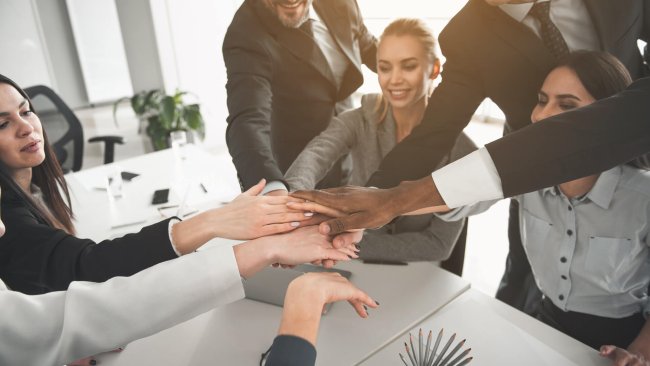
Open-office planning, ergonomic furniture, functional working conditions, and design suited to collaboration are becoming increasingly important in modern work environments. For management and HR teams, the goal is no longer just to provide functional desks and chairs, but also to establish furniture design that strengthens team spirit, encourages creativity, and enables effective communication. In the following sections, we will explain ideal furniture concepts for teamwork and the principles on which they are based in detail.
Modular designs suited to open spaces
Among furniture concepts that facilitate teamwork, modular design systems provide flexibility and functionality in open spaces. Such designs help reduce physical barriers between employees and make communication easier. Thanks to the modular furniture structure, the workspace can be changed and reconfigured frequently as desired. This creates ideal conditions for a dynamic working arrangement. Modular desks and chairs with wheels can be easily adapted to different team sizes. Each employee can work individually or in a group according to their needs.
Modular systems used in open-plan offices encourage a collaborative atmosphere. At the same time, this furniture fits a minimalist aesthetic and creates visual comfort. Free movement and the sharing of ideas between teams increase. This type of design brings together visual openness and functional comfort. Such systems also support space savings. Open spaces allow different partition configurations to be created. It becomes easier to maintain a balance between personal spaces and collaboration zones in the overall office layout. This approach ensures employees' psychological comfort and stimulates creativity.
Shared desk systems and group areas
Among furniture concepts that facilitate teamwork, shared desk systems strengthen social connections among employees. Long, wide desks create ideal conditions for team members to work together. Transparency and collectivity are key advantages of this design. Compared with traditional office cubicles, this approach creates a more flexible, open environment. More opportunities for interaction develop team spirit. A shared desk layout enables multifunctional use. Individual tasks and group projects can both be carried out comfortably at these desks. This design also creates a suitable environment for training and seminars.
Creating group zones allows employees to form groups flexibly and be reassigned according to the project. This is suitable for teams working with agile methodologies. Supply compartments placed on desks improve organization. Easier sharing of ideas within the team is ensured. By creating different seating arrangements in group zones, it is possible to meet a variety of needs. Such a design is effective in terms of both spatial aesthetics and functionality. Team productivity increases when the work environment encourages social interaction. Shared desk systems also support the joint use of resources. This means both logistical advantages and financial savings for the company.
Acoustic Panels and Quiet Work Areas
Among furniture concepts that facilitate teamwork, acoustic solutions are important for creating a quiet, focused work environment. Sound transmission in open-plan offices can distract employees. Acoustic panels and sound-absorbing coverings are used to prevent this problem. These elements help maintain sound balance in both individual focus areas and group work zones. Such designs support emotional stability and encourage creativity. The panels’ aesthetic appearance also improves the office’s visual harmony. In a quiet environment, employees can work more deeply and achieve productive results.
Online meetings, phone calls, and tasks requiring concentration can be carried out more comfortably in quiet zones. Acoustic design delivers better results when coordinated with the office's overall acoustic engineering. There is a direct connection between employees' psychological comfort and productivity. Some panels are made from eco-friendly materials, also contributing to sustainability. When acoustic elements can be repositioned, spatial flexibility is ensured. Finally, it should be noted that acoustic management is an important component that significantly affects the quality of teamwork.
Choosing ergonomic office chairs and desks
Among furniture concepts that facilitate teamwork, ergonomic office chairs and desks play an important role in both health and productivity. Adjustable chairs are important for preventing lower-back, neck, and shoulder pain among employees who work at desks for long hours. Height-adjustable desks also offer personalized comfort. This furniture is ideal for meeting the needs of employees with different body types and working styles. Choosing ergonomic furniture reduces chronic fatigue and work-related weariness. This increases energy and motivation within the team. A suitable sitting angle and a well-supported backrest system improve concentration.
Such furniture prevents posture problems and positively affects overall work quality. Mobile, swiveling chairs make movement within the team easier. Accessible storage compartments in furniture also improve efficiency. Well-planned desk layouts support eye contact and easy communication among employees. Ergonomically designed furniture should be long-lasting and durable for continuous use. Material quality, breathable upholstery, and soft seat surfaces should be considered during selection. Modular furniture can provide a combination of seated and standing work to suit changing routines. Prioritizing health factors in the work environment also positively affects the employer brand.
Whiteboard and screen areas for sharing information
Visual communication tools such as interactive screens, boards, and sharing boards play an important role in furniture concepts that facilitate teamwork. These elements are ideal for helping team members share their ideas easily and conduct productive brainstorming sessions. Whiteboards and digital displays allow project progress to be tracked visually. Employees remember their ideas better by writing or sketching them. The spread of visual thinking methods within the team increases creativity. These tools can be placed in both meeting rooms and open areas. Mobile and wall-mounted versions can be adapted to different space sizes. Wi-Fi and Bluetooth support on the screens enables sharing from personal devices.
This is also important for integrating technology into design. Taking notes on digital boards and integration with additional software improve the collaboration process. Whiteboards are indispensable, particularly for rapid idea prototyping. Visual tools make project tasks, changes, and plans clearly visible. This transparency strengthens trust and order among team members. The size and positioning of the boards used should be adjusted to eye level. The flow of visual information serves as an effective communication channel. This approach increases transparency within the team and strengthens a spirit of unity.
Color palette and lighting design
Within furniture concepts that facilitate teamwork, color and lighting elements are important factors affecting psychological comfort and work quality. Color selection shapes the emotional atmosphere and directly affects employees' psychological state. Soft shades of beige, blue, or green create a sense of calm. Invigorating orange or yellow tones increase energy and creativity. The right combination of colors provides both focus and comfort. At the same time, natural light entering the office reduces eye fatigue. Large windows and transparent dividers ensure maximum use of natural light.
LED technology should take priority in artificial lighting because these lamps are both energy-efficient and comfortable for the eyes. Light sources should be positioned to balance shadows and brightness correctly. Local lighting over a desk improves individual focus. Colored walls and decorative elements can match the office’s visual brand identity. Light temperature (warm or cool tones) should be selected according to the work routine. Allowing employees to adjust light intensity in their work areas provides extra comfort. Lighting design should be coordinated both functionally and aesthetically. Lighting that suits the overall office atmosphere increases everyday motivation.
Harmony Between Safety and Aesthetics
Furniture concepts that facilitate teamwork must not only be aesthetically pleasing but also meet safety standards. When choosing colorful and attractive furniture, soft, safe materials without sharp corners should be selected. Particularly in open-plan office environments, areas with frequent movement should be taken into account, and systems with non-slip feet should be used to prevent furniture from sliding. Positioning electrical outlets correctly in safe locations reduces the risk of accidents. Office desks and chairs should be made from fire-resistant materials. Furniture surfaces should be made from materials that are safe to touch and non-toxic. Cable management systems prevent clutter, maintaining both aesthetic appeal and safety. Marked exit routes and emergency access passages should be considered in the design.
This ensures safe movement in the office during any emergency. Aesthetically, furniture should match the brand’s visual identity. Minimalist design, clean lines, and harmonious colors create visual comfort. Furniture surfaces should be made from easy-to-clean materials and be suitable for hygiene. Furniture products with international safety certifications should be chosen. This improves company image and shows that employee well-being is valued. Both individual needs and overall team safety should be considered during design. Ultimately, optimal harmony between safety and aesthetics ensures employees’ physical and psychological comfort.
Lounge and relaxation areas
Creating relaxation zones as part of furniture concepts that facilitate teamwork plays an important role in shaping team culture. Short breaks from work are essential for employees to rest their minds and renew their creativity. Lounge areas are furnished with soft armchairs, colorful decorations, green plants, and light-colored desktop elements. These zones also serve as spaces for socializing. Employees can come here to communicate informally and exchange ideas. Mini kitchens and coffee corners can also be included in these areas. Such elements stimulate the development of interpersonal relationships. The design of lounge areas aims to reduce stress levels and create a positive mood.
Relaxation areas with cushioned seating, colorful walls, and soothing music systems stimulate creativity. During short breaks in these areas, employees restore their physical and mental energy. Meaningful decorations and company messages also keep the brand spirit alive. Having relaxation areas makes the work environment more attractive and humane. Furniture here should be both aesthetically appealing and comfortable. Providing such zones on each office floor or in each section increases team motivation. Stronger social bonds lead to more genuine relationships among employees. This positively affects the quality of teamwork.
Integration of natural elements
Biophilic design principles hold a central place among furniture concepts that facilitate teamwork. Using natural materials and bringing green plants into the office creates a more balanced, energetic working atmosphere. Furniture made from natural materials such as wood, stone, and bamboo provides both aesthetic and psychological comfort. Green plants, as elements of the natural environment, help reduce stress and increase attention. Plants inside the office improve air quality and serve a decorative function. Vertical gardens, small indoor garden areas, and plant stands can become integral parts of the furniture concept. Maximizing sunlight and positioning workspaces with views of nature create psychological balance among employees.
These elements also align with environmental sustainability. Furniture that integrates natural elements is usually more long-lasting and harmless to health. This design approach is also part of a corporate social responsibility vision. Creativity and motivation increase when employees are surrounded by natural elements. In these environments, employees feel close to nature, comfortable, and free. Desks and chairs made from natural materials also positively affect the sense of touch. Harmonious color choices further emphasize this design. A biophilic approach increases the office’s visual and functional value. Natural elements foster positive attitudes within the team and strengthen social relationships.
Integration of technology with furniture
Among furniture concepts that facilitate teamwork, technology-integrated furniture systems are an integral part of modern office standards. Since technical tools are now unavoidable in everyday workflow, compatibility between these tools and furniture increases productivity. Desks with USB outlets, built-in power ports, and wireless charging surfaces provide convenience for employees. These elements simplify meeting technical needs and help work continue without interruption. Smart sensor-controlled lighting adapts furniture to individual use. Integrating interactive screens into desks and partitions facilitates internal team presentations and analysis.
Audiovisual systems integrated into furniture are ideal for video conferences. Furniture designs intended to conceal cables are superior in both aesthetics and safety. These designs create a minimalist, clean-looking office environment. Incorporating technology into design allows agile decision-making and quick action within the team. By connecting their devices directly to the furniture, employees accelerate team synchronization and information sharing. All these elements strengthen a culture of digital collaboration. Technological compatibility also supports the transition to hybrid and remote working systems.
Personal storage boxes and storage solutions
Within furniture concepts that facilitate teamwork, personal storage solutions encourage both order and a sense of ownership among employees. Personal boxes, cabinets, and shelves allow each employee to store belongings safely. This also maintains office order. Lockable storage spaces allocated to employees increase individual responsibility. This design is particularly important for teams using shared desk systems. It prevents unused items from accumulating and makes the work environment look tidier. Modular cabinet systems can be arranged to suit different size and shape requirements.
These elements save office space and meet each person’s needs individually. They also greatly assist in organizing archive documents, printing equipment, and work accessories. Choosing storage systems aligned with the brand’s visual identity ensures compatibility with the overall design. Labeled compartments and color codes make quick retrieval and placement easier. Having personal zones increases employees’ psychological comfort. This design approach combines functionality and ergonomics for continuous use. These aesthetically and practically useful solutions create a responsible work environment. Personal boxes and storage systems thus contribute to structuring teamwork.
Balancing individual and group workspaces
Furniture concepts that facilitate teamwork should create a dynamic balance between individual concentration and group collaboration. Giving every employee the opportunity to work both alone and with a group increases productivity. To achieve this balance, individual booths, open desk systems, and corners for brief meetings should be included in the office design. Individual spaces allow people to work with minimal noise and visual distractions. These types of spaces improve focus and ensure effective work results. Group work areas, meanwhile, are conducive to the flow of ideas and communication between employees. It is important to separate these two zones acoustically and visually. At the same time, it should be possible to move freely between these areas.
Different furniture styles and color coding distinguish these areas visually. Employees can freely choose a space according to their needs at different times of the day. This improves self-organization skills and encourages independent decision-making. This balanced approach supports both individual responsibility and team spirit. Both individual comfort and group coordination should be considered when selecting furniture. This design approach aims to meet psychological and physical needs together. Team members' desire to be alone at times and exchange ideas at others should be taken into account. As a result, this balanced design approach creates a well-rounded and productive work environment.
Design aligned with brand identity
Furniture concepts that facilitate teamwork should also align with the company's visual identity and values. The color palette, logos, and decorative elements should visually reflect the brand identity. This is important in helping employees feel like members of a team. Chairs featuring logos, stickers, and partitions in custom colors add individuality to the design. This approach also creates a strong first impression for external visitors and partners. An interior that matches the brand's tone ensures that the office looks conceptually harmonious.
Furniture selections should incorporate elements that reflect the company's mission and vision. Furniture components chosen to match brand colors strengthen individual and collective identity. This also increases employees' sense of belonging. Team spirit is further strengthened, and company culture is kept alive through everyday design. Furniture that aligns with the brand in color and form creates visual harmony and a sense of transparency. With this design approach, the company's image is integrated into every workspace. Thus, both the aesthetic appearance and the corporate spirit are strengthened.