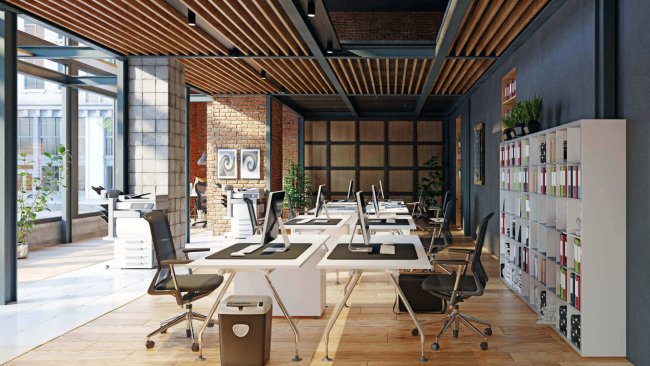
In the modern work environment, employee productivity, comfort, and functional design play a decisive role in selecting office furniture. The comfort of employees who spend hours in the office directly affects not only their physical health but also their attitude toward work and their motivation. Properly selected office furniture meets employees' ergonomic needs, increasing productivity and improving the overall workplace atmosphere. Conversely, choosing unsuitable desks and chairs can cause back, neck, and shoulder pain. In addition, aesthetically pleasing furniture creates a positive impression in the workplace, conveying professionalism to both employees and clients. In this article, we will explain in detail the benefits that choosing the right office furniture can bring to your workplace and which furniture choices are more effective.
Increasing work productivity by choosing the right office furniture
Choosing the right office furniture is an important factor in enabling employees to work more efficiently, comfortably, and with greater motivation. To increase productivity, priority should be given to furniture's comfort, functionality, and suitability for the work process.
The role of comfort and physical well-being
Choosing comfortable office furniture allows employees to work for long periods without stress or discomfort. An ergonomic chair and desk reduce strain on the lower back, neck, and shoulders. This helps protect skeletal health. Comfortable seating means employees tire less and can focus more. A comfortable work environment promotes a positive mood among employees. Being free from physical discomfort also increases the ability to keep working. A suitable desk surface and keyboard position prevent hand fatigue. As a result, work quality and speed improve. Comfort also lays the foundation for a healthy overall work environment.
Focus and motivation at work
Office furniture that improves focus allows employees to concentrate fully on their work without distraction. An orderly, functional environment prevents attention from wandering. A simple, tidy desk design directly supports productivity. Discomfort and nonfunctional furniture cause frequent stops, interrupting workflow. A motivating work environment helps employees focus on their goals. Furniture makes the workspace feel more personal and functional. This strengthens a sense of belonging and responsibility. An aesthetically pleasing, comfortable work area increases internal motivation. Ultimately, there is a direct relationship between comfort and attention.
The psychological impact of modern office design
Modern office furniture directly affects employees' psychological well-being. A clear and orderly workspace reduces mental fatigue. Furniture with a minimalist design prevents clutter and creates mental comfort. Light color tones and natural materials strengthen inner balance. Psychological comfort also affects an employee's behavior and attitude. Color harmony and tidiness help employees feel more energetic and positive. This also improves relationships within the team. An aesthetic environment created through furniture brings employees satisfaction. A work zone that lifts the mood creates long-term motivation. Thus, there is a strong connection between design and psychological well-being.
Creating a healthy work environment with ergonomic design
Ergonomically designed furniture is indispensable for both physical health and long-term work sustainability. A healthy employee means a productive and motivated employee.
The Advantages of Ergonomic Chairs
An ergonomic office chair ensures proper support for the body during prolonged sedentary work. Equipped with special lumbar and back supports, these chairs prevent postural problems. Armrests allow the hands to relax and the shoulders to rest. Ergonomic chairs provide freedom of movement and improve blood circulation. This minimizes muscle fatigue and pain. Seats made with breathable materials provide greater comfort. Maintaining physical well-being also improves mental endurance. Such chairs also reduce the frequency of sick leave. Thus, ergonomic furniture is essential for companies that value health.
Adjustable desks and accessories
Adjustable office desks support proper posture by adapting to the employee’s height and working style. Models that allow both seated and standing work are versatile. Monitor risers and footrests provide additional support. These accessories allow employees to adjust their own comfort. Proper keyboard and mouse positioning prevents wrist pain. The ability to personalize the setup directly affects employee performance. Keeping the computer screen at eye level protects against neck pain. Simple but adjustable accessories make work flow more smoothly. This is important for both physical health and comfort. Adjustability in every detail increases user satisfaction.
Long-term protection of employee health
Protecting health through office furniture is not just about comfort today; it also means preventing chronic illnesses that may develop in the future. Correct sitting posture and body posture maintain the body's balance. Muscle and joint problems are reduced through proper design. Physical stress that builds up over time can be minimized by choosing the right furniture. Postural problems that reduce blood circulation occur less frequently. Healthy employees take less sick leave. Sustained work capacity and energy are possible with a healthy body. Furniture selection is a strategic decision in this respect. Reducing internal stress is also important for health. Ultimately, health-friendly office furniture ensures long-term well-being.
Creating a more professional environment with attractive and functional office furniture
Aesthetic and functional office furniture is important not only for employee comfort but also for the company’s professional image and brand credibility. Such furniture creates a positive visual impression for both the internal team and visiting guests.
The role of furniture in first impressions
Office furniture plays a strategic role in shaping first impressions. When clients and visitors enter the office, its visual appearance stays in their memory. Neat, tasteful, and functional furniture increases trust in the company. Designs that reflect the brand's values support a professional appearance. Furniture should both look high-quality and ensure user comfort. Unattractive and worn-out furniture can create a negative impression. The customer experience is also influenced by the visual environment. Furniture selection for conference rooms, reception areas, and executive spaces requires special attention. A well-planned furniture layout shows that the company operates systematically. Thus, the first impression can become a foundation for future collaborations.
Storage and organization options
Storage functionality in office furniture is the foundation of a neat and organized working environment. Cabinets, shelves, drawers, and modular storage systems allow documents and equipment to be properly arranged. Reducing clutter improves an employee's concentration. Storage furniture helps make more efficient use of office space. Minimalist and concealed storage areas preserve the aesthetic appearance. Compartments specially designed for organization make work processes easier. Accessibility and ease of use ensure that employees can reach resources without wasting time. Storage areas intended for archives and spare supplies are useful. A filing system and organization by category improve management. Thus, orderliness enhances overall office productivity and visual aesthetics.
Furniture concepts that strengthen teamwork
Furniture concepts that strengthen teamwork are designed to establish more effective communication among employees and create an environment for creative collaboration. The right furniture arrangement removes barriers between employees and develops their ability to work together.
Open-plan office layouts and shared desks
Open-plan office furniture concepts enhance free interaction among employees and opportunities for ongoing communication. Shared desk systems without walls support team spirit. This type of planning accelerates information exchange and strengthens collective decision-making. Open-space design creates a sense of equality and transparency among employees. Shared desks also facilitate collaboration between different departments. Flexible use of space allows adaptation to changing project needs. Acoustic separators and semi-transparent partitions can balance togetherness with individual focus. Areas for collective activities increase team dynamism. In the digital age, this type of open-format furniture encourages innovative thinking. An open-plan office layout also saves space and provides visual openness.
Group areas and creative environments
Furniture concepts for group work make it easier for employees to gather freely and exchange ideas. Comfortable sofas, round tables, and discussion corners create ideal conditions for informal yet productive work meetings. Creative zones stimulate interaction between different ways of thinking. Idea boards, writable walls, and interactive screens add dynamism to the process. Ad hoc gathering corners provide small teams with a comfortable place to work. The freedom offered in these areas allows employees to express their ideas more comfortably. Synergy and a spirit of collaboration within the team are strengthened. Furniture designs in different shapes break monotony and increase mental activity. Brainstorming in a comfortable environment is more productive. Such areas are considered a cornerstone of innovation in modern offices.
The Importance of Meeting and Break Areas
Meeting and break areas in the office are spaces where both formal and informal communication among employees is encouraged. When these areas are well planned, a team culture develops within the company. Comfortable furniture for breaks is important for employees to rest mentally and refocus. Meeting rooms are the main centers of the decision-making process. Acoustic furniture creates a quiet, engaging environment during meetings. Printing and relaxation areas support the development of friendly relationships among employees. This strengthens understanding and trust within the team. A balance between comfort and socializing creates a more pleasant and supportive working environment. Planned break areas ensure that employees replenish their energy during the day. This leads to an overall increase in productivity.
In conclusion, choosing the right office furniture is not limited to aesthetic appearance – it directly affects employee productivity, health, and the overall working atmosphere. When comfort and functionality are balanced in the work environment, both individual and team activities become more efficient. If you want to create a comfortable, healthy, and creative environment for your employees, take furniture selection seriously. Remember that the quality of the work environment directly affects your company’s overall performance and success. Change sometimes begins with a chair and sometimes with the arrangement of desks. Shape the future through your office furniture choices.