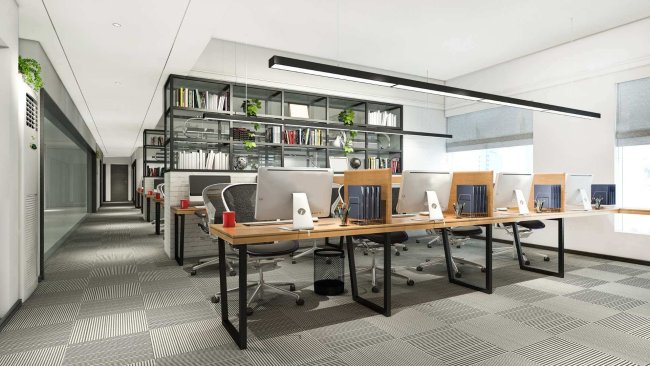
A comfortable and functional office environment both increases work productivity and protects employees' health and satisfaction. The right furniture selection should be based not only on visual appearance but also on comfort, multifunctionality, and durability. An ideal office layout is defined not only by design but also by furniture that supports the pace of work and meets users' needs. Today, many companies prefer furniture choices that are not merely aesthetic but also functional and suitable from a health perspective. Choosing the wrong chair and desk in the workplace can cause problems associated with prolonged sitting, such as back pain and neck stiffness. Furniture types that facilitate collaboration and communication among employees are also important. In this article, we will provide a detailed presentation of the 5 main types of furniture that should be selected to create an ideal office environment. Each of these furniture types ensures work efficiency and comfort, and they are suitable options for both small and large offices.
Ergonomic office chair
Ergonomic chairs top the list of furniture to choose for an effective work environment because they maintain healthy posture during prolonged sitting. Ergonomic chairs support the body's natural posture, reducing tension in the back, neck, and shoulder areas. These chairs conform to the spine while sitting and provide long-lasting comfort. The highest-quality models are equipped with adjustable height, lumbar support, and armrests. Rolling casters and a base that rotates 360 degrees provide ease of movement within the office. Ergonomic office chairs help improve work performance and concentration levels. Since employee comfort directly affects productivity, these types of chairs are in greater demand. Poor sitting habits can cause spinal problems, back pain, and even insomnia.
Choosing the right office chair is therefore not just a matter of comfort, but of health. When executive or computer chairs are ergonomically designed, they provide both aesthetic and functional benefits. Such chairs are essential, particularly for employees who spend long hours working at a desk. They suit modern office design and improve employee well-being. Adjustable headrests and lumbar supports also increase individual comfort. Breathable mesh materials reduce problems with perspiration and heat. They are ideally suited to startup offices, corporate environments, and freelance workspaces. Thus, ergonomic chairs are not just for sitting; they are also a key tool for healthy, productive work.
Adjustable desk
Adjustable desks are another important furniture choice for modern offices because they adapt to different users and provide maximum comfort. They allow transitions between seated and standing work. For employees who spend more than 8 hours a day at a desk, this variation prevents muscle fatigue and discomfort. Such desks preserve orthopedic comfort and support blood circulation. Electrically adjustable desks can change height at the touch of a button and remember the preferred height. This offers an excellent opportunity to create a personalized workspace. Their surface area is also spacious, providing enough room for a computer, documents, and office accessories.
These desks are also an ideal choice for an open office environment or a home office. Modern office desks feature minimalist designs and are equipped with additional features such as cable access openings and USB ports. Adjustable desks also improve focus on work, as each employee determines their own level of comfort. Leading companies are already switching to these ergonomic office desks. This both protects employees' health in the office and increases overall productivity. Research shows that desks that allow people to work standing up both increase calorie burning and improve mental performance. The material and construction of the desks are important, as durable, scratch-resistant surfaces ensure long-lasting use. These desks are widely used in startup offices, educational centers, and corporate enterprises.
Storage cabinets and shelving systems
Office order directly affects employees’ daily activities. Storage systems play a key role in maintaining that order. Storage cabinets are necessary for positioning folders, documents, and archive materials correctly. They provide both an aesthetic appearance and functionality. Cabinets made from metal, MDF, or laminate offer options for different needs. Shelving systems are also very important for the office’s overall appearance. They create additional space for everyday books, documents, and decorative objects. Models with opening doors are intended for sections needing greater privacy. If archive materials are extensive, high-capacity, lockable systems are preferred.
A storage system is extremely useful for keeping office work flowing and making files easy to find. This saves working time and reduces stress. In modern office designs, these systems are also integrated into walls or provided in mobile, caster-mounted forms. This offers greater flexibility of use. Cabinets designed as modules can be changed and expanded according to office needs. Attractive, practical storage systems give employees convenience and the office a professional appearance. They are widely used in both open and individual work environments. Ultimately, investing in this furniture type is important for creating an orderly office.
Meeting table
A meeting table is one of the main furniture pieces that support teamwork and strengthen communication. It is the central point where employees gather to exchange ideas, plan, and make decisions. A comfortable, functional meeting table is an important element of proper office planning. Its size should suit the office space and allow participants to sit freely. Tables with large surfaces provide comfortable working space for both laptops and documents. Oval and round tables are ideal for creating an equal communication environment. Long tables suit more formal, structured discussions. Meeting tables with USB and electrical outlets also make technology use easier.
Modern offices increase efficiency by equipping these tables with smart systems and technical equipment. The meeting area should become a motivating space for collaboration, idea sharing, and strategic thinking. Comfortable seating and acoustic ceiling systems make it more productive. Maintaining equal distances around the table in conference room design also affects social communication quality. Material matters when choosing a meeting table: for example, MDF, wood, or glass-topped tables are both aesthetic and durable. The meeting room is an integral part of office image and plays an important role in first impressions when welcoming customers. Successful business relationships begin with successful meetings, made possible by an appropriate meeting space. In short, a well-chosen meeting table serves as the office’s communication center and directly affects workflow.
Furniture for visitor and waiting rooms
Everyone entering an office first encounters the waiting room and its furniture. This area creates customers’ and visitors’ initial impression of the company. Visitor chairs, sofas, and coffee tables should therefore be both comfortable and visually appealing. Modern offices try to reflect their brand image and corporate identity through waiting room furniture. Soft, supportive seating is important for visitor comfort. Minimalist chairs and compact tables create both functionality and a sense of spaciousness. Color selection, lighting, and decorative elements also increase the aesthetic value of this area. If customers and partners feel comfortable here, it increases trust in the brand.
Brochures, magazines, and monitors in the waiting area also allow visitors to spend their time productively. The visitor zone’s design should harmonize with the overall office arrangement. Furniture should be multifunctional and made from durable materials to avoid deformation during long-term use. Leather or high-quality fabric furniture provides a more prestigious appearance. Visitor seats offer comfort not only to customers but also to couriers, candidates, and employees’ relatives. Music, plants, and soft lighting provide additional comfort in the waiting room. These furniture choices make the office welcome experience more valuable and contribute to a successful workplace image. Overall, waiting room furniture is an important visual element that silently expresses company professionalism.