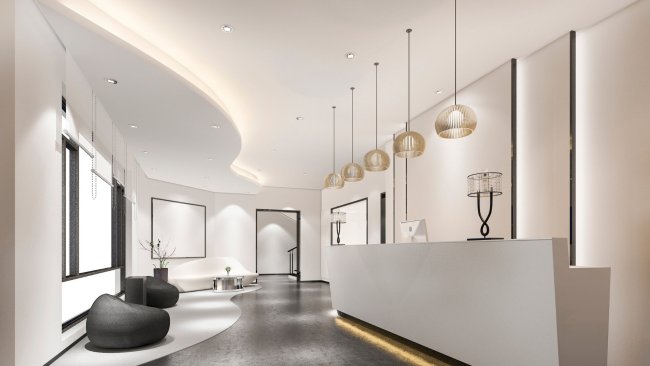
Your office entrance is one of the important spaces where visitors and employees form their first impression. It is not only a physical passageway but also a visual platform reflecting the company’s brand, values, and professional image. Carefully planned entrance design can directly affect the company’s reputation and the working environment among employees. In modern interior trends, office entrance areas should stand out aesthetically as well as functionally. Design should therefore consider not only furniture and colors but also lighting, spatial flow, and materials. In the competitive business world, the office entrance serves as a calling card that stays in customers’ and partners’ memories. Its atmosphere can also shape employees’ daily motivation and approach to work. Design approaches combining aesthetics, comfort, and functionality are the main route to a successful first impression. In this article, we present three key style approaches that will make your office entrance stand out. Although each suits different tastes and purposes, the shared aim is to create a modern, attractive, brand-aligned workplace. These approaches—minimalist, elegant design; biophilic natural elements; and dynamic corporate style—are successful choices that meet modern requirements in office interior design. Each aims to give employees comfort and visitors a positive impression. Let us now examine these style approaches in detail.
A Minimalist and Elegant Design Approach
Minimalist, elegant design is an approach that brings simplicity, functionality, and a comfortable atmosphere together in office interiors. It is a calm visual language free of unnecessary detail, dominated by clean lines and neutral tones. Minimalist design offers extensive aesthetic and functional possibilities for an office entrance area. This approach is ideal for making the space appear more spacious and organized. At the same time, its simplicity directs users’ attention to the main brand elements. Visitors entering a minimalist entrance area gain the impression that the organization has a precise, clean, and professional structure. This design also creates a calm office atmosphere that supports concentration. Neat forms, straight lines, and a neutral color palette reflect the brand’s timeless visual style. The main advantage of minimalism is its ability to suit any brand identity without depending on changing trends. This approach may therefore be worth considering for achieving lasting effectiveness and visual appeal at your office entrance.
Clean Lines and a Neutral Color Palette
Clean lines and neutral colors, the foundations of minimalist design, prioritize simplicity and balance. The palette mainly consists of white, gray, beige, and pastel tones. These colors make a space look brighter, larger, and calmer. The absence of multicolored entrance elements avoids distraction and instead increases focus. Clean lines define spatial contours more clearly and create an aesthetic sense of symmetry. Logos and other brand elements stand out more clearly against neutral colors. This approach represents modernity and professionalism in the office interior. Most importantly, a neutral palette is unaffected by seasonal trends and ensures a lasting aesthetic appearance. These colors also reflect light better, creating a sense of natural brightness and clarity. Overall, clean lines and calm colors are key design tools demonstrating the power of simplicity.
Choosing simple, functional furniture for the entrance
In a minimalist design approach, furniture selection is based on simple forms and functionality. The table, armchairs, and seating used in the entrance area should be aesthetically suitable while also allowing practical use. When choosing furniture, preference should be given to multifunctional and compact models. For example, seating with a storage function and shelves that can also be used decoratively may be chosen. Furniture with straight lines and without bulky forms does not make the space look cluttered; instead, it creates a sense of order and spaciousness. Wood, metal, or neutral-colored plastic are the preferred materials. In terms of color, furniture is generally coordinated with the background so that the space appears as a unified whole. Furniture placed in the entrance area should support the brand's professional visual language. Comfortable seating and a functional waiting area for employees and visitors show that the design is purposeful. This approach perfectly reflects the minimalist philosophy of “less is more.”
Do not forget the role of lighting
Lighting is one of the key elements defining the spirit of design in an office entrance area. In minimalist style, natural and artificial sources should be arranged in balance. Large windows and light-colored curtains maximize natural light. LED lamps, spotlights, and under-surface lighting are selected for artificial illumination. Light should have neutral and warm tones so the space looks calm and welcoming. Lighting should be strategically positioned to highlight the logo and reception zone. Well-considered lighting systems matter for both visual aesthetics and functionality. A bright entrance evokes positive emotions in visitors and emphasizes cleanliness. If lighting is not arranged correctly, the design may fail to achieve the intended effect. In minimalist spaces, light serves as both decoration and navigation.
A personal touch with contemporary artworks
Modern artworks are an excellent way to reflect individuality and brand spirit in minimalist office design. Paintings, graphic designs, or sculptural details used in the entrance area enhance the space's visual appeal. These artworks can stand out against a simple background and become the center of attention. Works selected in a modern art style emphasize the brand's aesthetic approach and creative potential. Art elements in office design can generate interest and topics of conversation among users. This allows visitors to establish an emotional connection with the brand. Artworks can also reflect office culture and the company's social outlook. If the works are chosen to match the brand's color palette and message, visual harmony is created in the entrance area. These elements also break up the monotony of the space and add aesthetic dynamism. Thus, if you want to create a personal touch in a minimalist design, it is useful to make room for modern art.
Biophilic Style Integrated with Natural Elements
Biophilic design has been considered one of the most prominent approaches to office interiors in recent years. This style emphasizes people’s instinctive connection with nature and provides both visual and psychological comfort by introducing natural elements into the workplace. A biophilic approach gives visitors and employees a sense of natural calm and comfort, particularly in first-impression spaces such as office entrances. Living plants, wood and stone materials, natural lighting, and air circulation used in this style create a balanced office atmosphere. Biophilic design is not merely aesthetic; it also benefits productivity and employee well-being. Bringing nature into the entrance area can help employees start the day with more energy. This style can also demonstrate the brand’s commitment to environmental values. Guests entering an office with natural design elements encounter a more pleasant atmosphere, which creates a more positive impression of the company. In the following sections, we will explain in detail the most important components of applying biophilic design to the entrance area.
A green, fresh entrance with live plants
Living plants, a key element of biophilic design, enrich the office entrance area both aesthetically and functionally. In addition to purifying the air in the space, living plants also create a visual sense of freshness. Plants such as palms, monstera, or ficus placed in large pots at the entrance provide an eye-catching and calming atmosphere. Incorporating green design elements into the office evokes a sense of closeness to nature among visitors. Wall-hung mini gardens or vertical green walls break up the monotony of the space. Living plants create a natural humidifying effect, which improves air quality, particularly in enclosed spaces. Plants are used not only for aesthetic purposes, but also for sound insulation. They reduce the propagation of sound, creating a quiet environment. An entrance area rich in plants creates a comfortable atmosphere for both visitors and employees. At the same time, plants reduce stress, increase attention, and improve overall mood. This type of entrance design can also reflect the company's respect for and responsibility toward the environment. Plants of different heights and colors make the space more dynamic. When plants are arranged to frame the office logo, they create a visually stronger brand image. The selection and care of suitable plants for biophilic design should be properly planned to ensure ongoing cleanliness and freshness. Symmetry and circulation through the space should also be considered when placing plants.
Using natural materials such as wood and stone
Natural materials are another important part of biophilic design and give the office entrance area a warm, welcoming atmosphere. Elements such as wood and stone visually make nature part of the space. Wood can be used in features such as panels, flooring, or the reception desk. Stone creates a durable and aesthetically pleasing appearance in wall decoration or on accessory surfaces. Using natural materials in an office interior offers longevity and cost-effective maintenance. These materials also offer health advantages because they do not release allergens or chemicals. Wood regulates the temperature balance of the space, while stone gives it a rustic appearance. This combination offers a design that is both contemporary and connected to nature. In terms of color, light brown and beige tones make the space appear larger and brighter. When using natural materials, attention should also be paid to their harmony with other elements. For example, wood used together with metal and glass provides a balanced and aesthetically pleasing appearance. These materials are also important for demonstrating the brand's “eco-friendly” positioning. When visitors sense this natural quality, they develop a warmer attitude toward the office. With regular maintenance and proper polishing, these materials retain their visual impact for many years.
The impact of natural light and ventilation on design
Natural lighting and good ventilation are fundamental principles of biophilic design. Allowing sunlight to enter freely at the office entrance makes the space look both healthy and energetic. Large glass doors and windows maximize the use of natural light. In addition to saving electricity, this positively affects the mood of employees and guests. Clean, circulating air maintains the microclimate and keeps the space fresh. Air quality directly affects productivity in the office. Natural light reveals more realistic colors in interior design and makes the space look more vibrant. Changes in light also alter the atmosphere throughout the day, eliminating monotony. Ventilation systems prevent stuffiness and moisture problems in enclosed areas. Integrating ventilation with the office’s aesthetics is also important. Open ventilation systems or ceiling ventilation windows can be used for natural circulation. When light and air circulation work together, the space looks healthier and more livable. Balancing these two factors makes the office entrance ideal in terms of both health and aesthetics. Designers should plan these elements in coordination with the other components.
Dynamic and Colorful Corporate Identity Style
A dynamic and colorful corporate style transforms the office entrance area into a vibrant and interactive space that visually reflects the brand identity. This approach is a very effective way to highlight the company's values, energy, and distinctiveness. The main aim is not simply an attractive appearance, but also to reflect the company's culture, philosophy, and creativity. A colorful entrance design stays in visitors' memories and provides strong visual support for the brand image. When the brand's logo, color palette, and slogans are positioned logically and prominently in the entrance area, the company's message is conveyed more effectively. This design style is ideal, particularly for companies operating in creative fields. By experimenting with colors and shapes, it is possible to achieve both an innovative look and a motivating environment. Such an entrance area strengthens a sense of dynamism and motivation among employees. Integrating interactive technologies also makes this style more functional. In the following subsections, we analyze the main components of this approach in detail.
Visual recognition through logos and brand colors
The brand's logo and corporate color palette should be among the first elements to attract attention in the office entrance area. The logo is the company's visual symbol, and placing it strategically can convey a strong message to visitors. The logo can be mounted on the wall in 3D format, with lighting, or against a colored background. The use of colors is extremely important in corporate visual identity design. The brand's primary colors should be applied to walls, flooring, or furniture in a way that makes them noticeable. This both increases brand recognition and creates a cohesive, concept-driven appearance in the entrance area. Choosing colors with their psychological effects in mind helps evoke positive emotions. For example, blue conveys reliability, green conveys naturalness, and orange conveys energy. The area where the logo is placed should be a focal point and surrounded by a clean background so that it stands out visually. When visitors enter the office, they encounter the brand's main symbols and immediately understand the environment they are in. The logo and colors are the primary tools for visually communicating office culture. Integrating them into the design creates a professional and memorable impression. This is also important for standing out from competitors and building a unique brand image.
Colorful wall decorations and graphic elements
Colorful wall decoration and graphic design elements create a dynamic and energetic atmosphere in the entrance area. These elements can reflect the brand's philosophy and make the space more creative. Graphic elements, quotes, icons, and visual metaphors used on walls are powerful tools for expressing the company's mission and vision. Colors that harmonize with the brand's tones should be chosen for office wall decoration. For example, displaying the corporate slogan on the wall in large, aesthetically pleasing lettering can have a motivating effect. Abstract shapes and infographic designs are also functional ways of conveying information. This approach breaks up visual monotony and creates an attention-grabbing atmosphere. Such colorful approaches can be inspiring for employees, particularly in offices with young and creative teams. Graphic elements also shape the office's professional and innovative image. Color transitions and harmonious combinations make the space look more energetic. Wall decoration should be not only aesthetic but also part of the brand message. The placement of these visual materials should be planned by a designer to be symmetrical and appropriate to the size of the space. In this way, every inch of the walls is used purposefully, and visitors are given an impactful visual experience.
An interactive monitor or multimedia panel
Integrating technology into design is a sign of modernity in corporate office entrance areas. Interactive monitors and multimedia panels make it possible to provide visitors with information in real time. These screens can display a company presentation, news, social media posts, or event announcements. Technology-integrated office entrance design is valuable from both an aesthetic and a functional perspective. Multimedia panels attract visitors' attention and introduce them to information about the company. Screens can also offer an interactive experience through touch functionality. For example, a visitor can enter their name and receive a welcome message. This approach creates an impression of personalized, modern hospitality. The company's history, team, and products can also be displayed on the panel. This both strengthens the brand presentation and provides additional value to the visitor. At the same time, it is important to position the screens in keeping with the design. High-quality screens with slim frames provide a visual experience without compromising the aesthetics of the space. Interactivity plays both an informative and an aesthetic role in modern office design.
A dynamic reception area that welcomes visitors
The reception area is the focal point of office entrance design, where the first contact takes place. Its design plays a decisive role in welcoming visitors and shaping first impressions. Dynamic reception spaces feature vibrant colors, unique forms, and brand elements. Instead of a traditional straight line, the desk may have a curved, layered, or two-sided form. Office reception design should balance visual aesthetics and functionality. Lighting, the logo, and technical equipment on the desk, such as a computer and registration panel, should be chosen carefully. Comfortable seating for reception staff and waiting chairs for visitors should be arranged in coordination. A colorful backdrop and brand-aligned graphics make this area both attractive and informative. Changing elements, such as a digital clock, weather indicators, or “welcome” messages, add dynamism. To improve the visitor experience, the space should provide a sense of comfort alongside modern technology. Because reception is regarded as the company’s “face,” its design deserves special attention. It should ensure that visitors spend their waiting time comfortably and with interest. A dynamic reception area consequently becomes a key visual tool reflecting the office’s professionalism and hospitality.