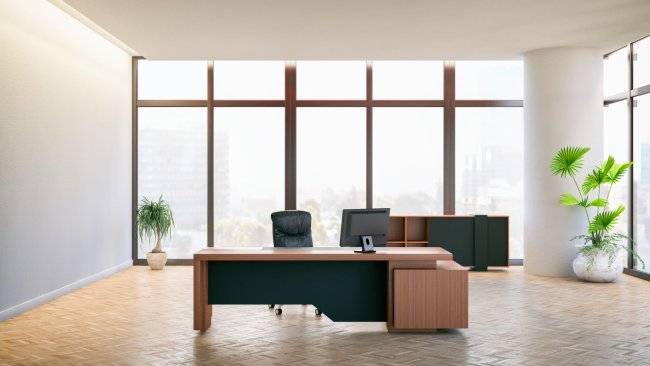
In a modern office, employee comfort and efficiency are directly related to the furniture used, particularly the choice of desk. Selecting an appropriate desk is essential for increasing productivity, strengthening team collaboration, and ensuring ergonomic comfort. Different office styles require different working models, so the choice of office desk should not be random. The right type of desk increases workplace functionality while creating a sense of professionalism through its design. The choice should suit both individual working arrangements and the team’s working style. Technological compatibility, cable management, and aesthetic appearance should also be considered. Ergonomically designed desks reduce lower-back and neck pain and prevent long-term health problems. A well-designed desk not only increases productivity but also positively affects motivation. Choosing a desk from among modern office furniture requires the right decision both functionally and aesthetically. In this article, we will explain in detail 10 types of desks suitable for different office environments and the main factors to consider when selecting a desk.
The 10 Most Popular Types of Office Desks
Desk models suited to different work environments should be selected based on both functionality and comfort level. Below, you can explore the most popular types of desks suited to various needs and designs.
1. Traditional desk (standard desk)
The traditional desk is one of the most commonly used types of desk in offices. It usually has a simple design and is intended for individual employees. These classic-style desks are ideal for writing, computer work, and document storage. Traditional desks generally have a flat surface and storage drawers underneath. They may not have an ergonomic design, but they are convenient for multipurpose use. They offer a simple, efficient solution for office organization. Although traditional desks are sometimes not fully compatible with technology, they can be improved with additional accessories. This desk type is considered ideal for small offices and individual rooms. It is also affordable in terms of manufacturing and price.
2. L-shaped desk (L-shaped desk)
An L-shaped desk combines two work surfaces to provide a larger workspace. This type of desk is considered ideal for both convenient placement and multifunctional use. It is particularly practical for employees who work on computers and documents in parallel. L-shaped desks are generally placed in the corner of a room and allow space to be used more efficiently. This type of desk is suitable for both individual use and two-person working arrangements. At the same time, it adds a modern aesthetic to the office. It is frequently used in larger offices and managers' rooms. Models equipped with suitable cable management accessories are available. In addition to increasing productivity, this type of desk offers advantages in organizing work.
3. U-shaped desk (U-shaped desk)
A U-shaped desk is a prestigious desk model designed for executives and management teams. This type of desk offers maximum workspace and is suitable for people who work with multiple pieces of equipment. A U-shaped desk is also convenient for receiving visitors and holding short meetings with team members. It can be used in the center of an office space or in a separate private office. This type of desk is highly functional from an organizational perspective. It can be combined with supporting cabinets, shelves, and monitor mounts. Designed for executives and senior officials, these desks are considered a status symbol. Modern versions are also suitable for technological integration. They are equipped with built-in storage compartments and ergonomic design.
4. Height-adjustable desk (adjustable/sit-stand desk)
Height-adjustable desks are among the most important elements of ergonomic office design. This desk type allows users to alternate between seated and standing work. It is an ideal solution for reducing health problems caused by a sedentary lifestyle. The desk height can be changed at different points throughout the working day. This improves blood circulation and prevents lower-back pain. Sit-stand desks are operated by electrical or mechanical systems. It is easy to adjust them to the user’s height and comfort. This desk type is particularly popular in technology companies and startup environments. It encourages an active working routine.
5. Minimalist desk
Minimalist desks with simple, functional designs are frequently seen in modern office interiors. This desk type focuses on essential functions and avoids additional details. Minimalist desks are often used in small offices and home-office environments. Their main advantages are a tidy appearance and space savings. They are most commonly made with clean lines and neutral colors. A minimalist desk provides comfort both aesthetically and in terms of focus. Its materials are generally lightweight and durable. Although storage compartments are limited, accessories can increase functionality. It is ideal for those who prefer desk designs aligned with technological minimalism.
6. Shared desk (shared/benching desk)
A shared work desk is designed especially for open-plan office environments and people working in teams. This type of desk allows several employees to share the same desktop surface. In addition to facilitating collaboration and information exchange, it also saves space. IT companies, startups, and creative teams prefer these types of desks. These desks are often built as modules and can be expanded when needed. Models equipped with cable management, electrical connections, and monitor compartments are available. In open-plan offices, they strengthen both social interaction and team spirit. However, maintaining quiet and concentration can become a problem, so acoustic dividers are also added. They are also economical because a single desk can accommodate several employees.
7. Corner desk (corner desk)
Corner desks are an excellent solution for using space efficiently. This type of desk is particularly common in narrow office rooms or home office spaces. Corner desks can consist of one or two surfaces and often resemble an L-shaped design. They have separate spaces for a computer, printer, and other equipment. This type of desk is ideal for both functionality and comfortable use. Corner desks can be positioned to suit any room layout and can be found in any design style. They are a good choice for increasing productivity and gaining more workspace. They are used for carrying out writing and computer tasks in parallel. They can be equipped with cable management and additional shelves.
8. Executive desk (executive desk)
An executive desk is mainly intended for senior staff and stands out for a spacious work area, quality materials, and prestigious design. It is usually made with solid wood, leather, or metal elements. It becomes one of the office’s main visual focal points and is considered a status symbol. It is used both as a work surface and for meetings. It has numerous drawers, cabinets, and technology ports. Executive desks meet high functional and aesthetic standards. They are the central point for management decisions and strategic planning. They also stand out for integrated document management and organization options. Additional seats can be placed around the desk to accommodate visitors.
9. Mobile desk (portable/folding desk)
Mobile or folding tables are designed for flexible work environments. These tables can be quickly set up and put away, making them multipurpose. They are ideal for temporary workspaces, training rooms, and seminar spaces. Folding models are very convenient to transport and store. Versions with wheels are also available, allowing them to be moved easily to any location. This type of table is frequently used in co-working spaces and for events. They are made from inexpensive, lightweight materials. They are suitable for expanding functionality in small offices. When not in use, they can be folded away to save space.
10. Co-working desk (collaborative/team desk)
Co-working desks are designed to encourage team collaboration and collective decision-making. This type of desk brings many employees together, accelerating the exchange of information. It is ideal for creative and dynamic working environments. These desks are frequently used in startup offices, technology parks, and design studios. Their design is modular, and they can be arranged in various configurations. Individual spaces can also be created with acoustic dividers. Visual and physical proximity are important for collaboration, and this desk meets that need. Sometimes these desks also include built-in screens, power ports, and lighting systems. They are invaluable for strengthening office culture and stimulating the flow of ideas.
What Should You Consider When Choosing a Desk?
Choosing the right office desk should be determined not only by visual compatibility, but also by how well it meets practical needs. The following criteria can help you make this decision.
Office size and layout
Desk selection should suit the office’s space and layout. Compact, space-saving models should be preferred in small offices. L-shaped and U-shaped desks are more functional in spacious offices. Enough clearance for movement should be left when positioning a desk. Desk placement in open-plan offices should allow collaboration and dynamism. Natural lighting and ventilation should also be considered. Corner desks and folding models are suitable for confined spaces. Choosing colors and materials to match the existing interior design is also important. Dividers should be considered for sound control and focus.
Number of employees and team style
The number of office employees and how they collaborate influence desk selection. Minimalist or traditional desks may suit individual employees. Shared and co-working desks are more functional for those working in teams. L-shaped and U-shaped desks can be used for groups of two or more people. Individual, larger, more functional desks are important for executive staff. It is also important to have compartments where each employee can store personal belongings. If the team’s working style is flexible, mobile and folding desks are more effective. Ergonomic features should also be considered for prolonged seated work.
Aesthetics and ergonomics
An office desk should be both visually appealing and suitable for physical health. For people who work sitting down for long hours, an ergonomic desk and chair should be chosen together. The desk surface should be at the correct height, with the monitor at an appropriate distance from the eyes. Proper lighting and the desk surface material are also important for comfort. Aesthetically, the chosen desk should match the office’s overall design. Simple, light-colored desks are more suitable for minimalist interiors. Solid wood models are more appropriate in classic offices. Aesthetic appearance also affects employee motivation.
Technology compatibility and cable management
Modern office desks should be compatible with technological equipment. Additional areas and ports should be provided for computers, printers, chargers, and other devices. Built-in channels and outlets for cable management are important. This creates a tidy appearance and improves safety. Power outlets on the desk speed up work. Monitor support systems provide additional comfort. Some desk models have USB ports and wireless charging areas. Choosing a technology-compatible desk offers major advantages in both productivity and functionality.
Balance and efficiency in the workplace through the right desk choice
A desk is not just a work surface; it is also a key element that supports employees’ everyday functionality and psychological comfort. Choosing the right desk directly affects motivation, health, and productivity. A comfortable, ergonomic, and functional desk is the foundation of a productive working day.
Choosing office desks correctly makes it easier to maintain balance and order in the workplace. It also strengthens overall team spirit, increases opportunities for collaboration, and creates a professional environment.