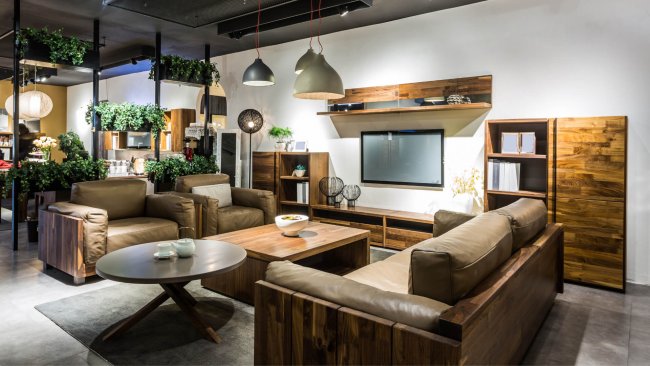
The choice of office furniture plays an important role not only in comfort, but also in the work environment, aesthetic appearance, and productivity. Office sofas hold a special place among these furnishings. The right office sofa model creates an aesthetically pleasing environment for welcoming visitors while also ensuring employees' everyday comfort. In modern office interior design, sofas are not merely seating furniture, but also functional elements that add visual value. Choosing a suitable sofa for small and large offices directly affects the efficient use of space. Therefore, factors such as purpose, material, size, and design should be carefully evaluated when choosing a sofa model. Selecting suitable sofas when planning office decor, visitor reception areas, and employee break areas creates a professional appearance and conveys a sense of comfort. This article will provide detailed information about the features and advantages of different sofa models, as well as the points to consider when making a selection. Practical considerations such as brand, budget, and compatibility with the interior will also be discussed. Our aim is to help you choose the ideal sofa model for your office more easily. Let us first explore what we should pay attention to when choosing a sofa.
Key Factors to Consider When Choosing an Office Sofa
When choosing an office sofa, attention should be paid not only to its appearance but also to functionality and durability. Intended use, room size, number of users, and the overall interior concept are among the main selection criteria. Let us explore these factors in more detail under the following headings.
The intended location and purpose of the sofa
The space in which a sofa is placed determines its function. A sofa intended for reception should differ from one used in a relaxation area. More aesthetically appealing, comfortable sofas are preferred in visitor reception areas, while deep-seated models are favored in relaxation zones. The aim is to achieve both functionality and visual compatibility. Sofas used by employees during short breaks should be softer and wider. Materials that ensure comfort should also be chosen for these areas. Multifunctional sofas suit small offices better. For example, models offering both seating and storage save space. The space’s design also determines the sofa’s shape and color. Intended use should therefore be the first consideration when choosing a sofa.
Ergonomic design and comfort level
Ergonomic sofas support the user’s lower back, neck, and legs. Even when used for long periods, these sofas do not cause discomfort. Comfortable sofas for guests in the reception area are very important for first impressions. The supportive shape of the cushions and the seat depth are key factors. Ergonomic design protects employee health and increases productivity. Sofas with a high level of comfort provide additional ease in relaxation areas. Models with lumbar support are particularly important. The sofa seat should be neither too hard nor too soft. Sofas that meet ergonomic requirements are also long-lasting. These features also reflect the quality of the furniture.
Material quality and durability
When choosing a sofa for an office, particular attention should be paid to the material used. Materials such as leather, faux leather, fabric, and microfiber each have their own advantages. Leather sofas look prestigious and are easy to clean. Fabric sofas offer a wider choice of colors and patterns. Microfiber materials are both an aesthetically pleasing and durable alternative. Material quality indicates how well a sofa withstands daily use. At the same time, high-quality materials allow many years of use without deformation. Easy-to-clean materials are preferred more often in office environments. The extent to which a material causes sweating and attracts stains is also an important factor. Considering intensive office use, durable and washable materials should be preferred.
Compatibility with the color scheme and overall interior
When choosing a sofa, the color palette should harmonize with the overall office design. Light colors add spaciousness and brightness to the office. Dark colors create a more formal and serious appearance. The choice of color should also suit the company's brand. For example, coordinating with the colors in the logo creates a visually professional appearance. Neutral colors can blend with almost any interior. Color balance can be achieved with brightly colored cushions and accessories. At the same time, susceptibility to staining also plays a role in color selection. Stains are less visible on dark colors. Light-colored sofas, however, require more careful use. Choosing colors that suit the office design adds aesthetic value to the work environment.
Ease of maintenance and cleaning
Furniture maintenance and cleaning are very important for practicality in an office environment. Sofas made from easy-to-clean materials are more suitable. Leather and faux leather sofas can be cleaned simply by wiping with a damp cloth. For fabric-upholstered models, stain-resistant, washable covers should be selected. Food, drinks, and everyday office use make staining likely. Removable, washable cushion covers therefore have an advantage. Materials that collect dust and allergens should be avoided. Covers with antibacterial and stain-resistant technology are also a better choice. The frequency of cleaning and care determines sofa longevity. Sofas compatible with office cleaning create hygienic working conditions. Easy maintenance also avoids placing an extra burden on employees.
Various Office Sofa Models and Their Advantages
Choosing the right sofa model is important for making an office interior ideal both functionally and aesthetically. Sofa models of different sizes, shapes, and designs offer alternatives for every space and intended use. A broad selection, from classic models to modular and multi-seat systems, allows office owners to adopt different approaches. In modern workplaces, the visual appearance of sofas chosen to welcome visitors and give employees a place to relax is as important as their functionality. Let us now examine the features of each of these models individually.
Classic single-seat and two-seat sofas
Classic single-seater and two-seater sofas are suitable both for offices with minimalist designs and for more formal interiors. These sofas take up little space and help keep the setting looking neat. They are most often used in visitor reception areas or executive offices. With comfortable seats and backrests, these models are ideal for sitting for short periods. Numerous color and material options are available, making them easy to coordinate with the interior. Classic sofas are often designed with simple shapes and elegant details, which makes them easy to combine with other furniture. They are also made from durable, easy-to-clean materials. An additional advantage of this type of sofa is its versatility. It can be adapted to any office area. It offers a space-saving solution for small offices. Classic models are ideal for those seeking a simple yet tasteful appearance. Their non-modular construction reduces the risk of deformation during long-term use. These sofas are also suitable for companies that prefer conservative design. Single-seater models are used in private offices and corners intended for confidential discussions. Two-seater sofas are convenient for allowing visitors to wait comfortably in the reception area. The simplicity of classic sofas creates a serious and professional atmosphere that aligns with the brand image.
Optimizing space with corner sofas
Corner sofa models are an excellent choice for using office space as efficiently as possible. Usually L- or U-shaped, they optimize unused corners. Particularly in spacious offices and open-plan workspaces, corner sofas can serve as both relaxation areas and informal meeting places. Because they allow several employees to sit simultaneously, they encourage social interaction. Creating comfortable seating zones is very important for strengthening team spirit. Corner sofas also look modern decoratively and can be adapted to the interior through a wide range of color palettes. Placed in relaxation areas, they let employees spend breaks more comfortably. They often feature comfortable seat depth and additional cushions. Some models are modular, allowing their arrangement to change according to the office structure. Corner sofas can also help reduce noise in open-plan offices. Their placement can visually define boundaries within the office. Some include internal storage compartments for added functionality. They can be used in both modern and classic offices. In visitor areas, they allow more people to be welcomed at once. U-shaped models are considered ideal for office lounges. Corner sofas help the office look more harmonious and balanced.
Sofas with modular and flexible designs
Modular sofas stand out in modern offices for their functionality and flexibility. These sofas consist of separate sections that can be combined and arranged as desired. Their modular construction allows users to create different combinations. Such sofas adapt easily to frequently changing office layouts. It is also easy to reconfigure areas for events, conferences, and meetings. Another advantage of modular sofas is that they are easy to move. For small offices, these models offer both aesthetic and practical benefits. There is a wide range of choices in terms of color, shape, and size. Users can create a configuration that meets their individual needs. Sofa modules can be removed, changed, and added at any time. This means long-term flexibility in office furnishings. In terms of design, these models also offer a dynamic and modern appearance. These sofas are more effective in open areas that encourage teamwork. They can be used in any setting, from visitor areas to spaces for employees' informal meetings. Some modular sofas are equipped with USB ports, power outlets, and storage compartments. They are also made from more durable materials and are suitable for intensive use. Modular sofas are considered ideal for creating environments that encourage creativity, particularly in startup offices.
Minimalist sofas for visitor reception areas
Visitor reception areas are among the spaces in your office that create a first impression. The sofas used in these areas are not merely seating but also visual elements that reflect your company's professional image. Minimalist sofas help create a tidy, modern appearance in such zones. Distinguished by simple shapes and a neutral color palette, these models maintain comfort while making the space look larger and brighter. Since these sofas are designed for areas where visitors wait for a short time, emphasis is placed on comfort and practicality. Sofas with a minimalist design tend to feature straight lines, slender legs, and simple textural elements. These models can easily be placed in both small and large reception areas. Gray, beige, white, and pastel tones are often preferred when choosing colors. This both creates a sense of calm and makes it easier to coordinate with other decorative elements. Minimalist sofas are also made with easy-care materials. This simplifies the daily cleaning process. If your office has a modern, simple visual style, these sofa models fit that aesthetic perfectly. Sofas with comfortable cushion support and an optimal seat height should be chosen for visitor reception areas. Because their construction is not overly bulky, they also do not disrupt the space's airflow or flow of movement. In many cases, minimalist sofas provide visitors with a comfortable waiting experience while also demonstrating your brand's aesthetic sensitivity. Alongside these sofas, you can create a more appealing space by adding decorative cushions that match the wall color, as well as plants. If simplicity, functionality, and aesthetic values are priorities in your office, minimalist sofa models may be among the best choices for you. These models are an ideal solution for those who want to create an office atmosphere that is both elegant and comfortable.
Multi-seat sofa systems for spacious offices
Multi-seat sofa systems designed for use in spacious offices are highly beneficial from both a functional and an aesthetic perspective. These types of sofas are usually placed in open-plan working environments, waiting areas, or office lounge zones. Because multi-seat sofas provide a larger seating area, they are convenient both for employees to socialize and for visitors to sit comfortably. These sofa systems can sometimes accommodate 5-6 people or more. Since they come in modular configurations, they can be expanded or reduced as desired. Large sofas also make it possible to create dedicated relaxation zones within the office. Such spaces are intended for employees to have informal conversations, relax, and work in a creative environment. These models often feature thick seat cushions, comfortable backrests, and additional cushions. Various fabric and faux leather upholstery options are used in these systems to suit the design. In terms of color, darker or corporate colors are chosen for spacious areas to create a strong visual impact. One advantage of multi-seat sofas is that they can be used for different purposes, both in visitor reception areas and in internal employee relaxation corners. These types of sofas are chosen to create zones for an open exchange of ideas among employees, particularly in companies operating in technology and creative fields. These sofa systems can also be used as temporary seating areas during events and meetings. Some models are equipped with power outlets and USB ports, which is a major advantage in terms of convenience. In large areas, sofas of this kind both maintain the balance of the space and create a visually appealing arrangement. If your office has a spacious area and you are looking for a multifunctional furniture system, multi-seat sofas can be an excellent solution. These models create an ideal environment for both employee relaxation and interactive activities.
What Sofa Size and Shape Are Suitable for an Office Space?
The size and layout of an office space are factors that directly influence sofa selection. Sofas unsuited to a small or large space can disrupt both comfort and visual harmony. Choosing the right size ensures efficient use of space and complements any functional zone. Design suited to the shape creates both ergonomic comfort and aesthetic appeal. Below, we examine sofa size and shape choices for different office structures in detail.
Compact and space-saving designs for small offices
When choosing a sofa for a small office, the main focus should be space efficiency and multifunctionality. Compact sofas preserve functionality in these spaces without making them look crowded. These models usually seat one or two people and have straight-lined, minimalist forms. Their designs look simple while remaining practical. Models with removable cushions and internal storage also provide additional benefits in small areas. Small sofas in light, neutral tones matching the office’s overall palette make the space look larger. Small L-shaped sofas placed in corners allow more optimal use of space. They are often positioned in relaxation corners or visitor reception areas. Compact sofas are ideal for modern offices because of their simple but functional construction. Easy transport and flexible arrangement provide convenience for office owners. Cleaning and maintenance are usually practical because simple materials are used. These sofas are ideal in small offices for maintaining circulation and airflow. They also provide comfortable relaxation and waiting experiences in settings with few employees. They perform effectively in offices with frequently changing layouts too. If you want maximum comfort and aesthetic appeal in a limited office space, compact sofas are the right choice. These models offer both a functional and an economical approach.
Suitable sofa types for open-plan offices
Open-plan offices are one of the key features of modern working environments, and choosing sofas for these spaces also requires a different approach. In such spaces, sofas are used not only for seating, but also to structure the area and divide it into functional zones. Sofas can define areas for relaxation, collaboration, and informal meetings. Modular and multi-seat sofa models are considered more effective in open-plan offices. These sofas can be arranged in various configurations to suit the office layout. They allow employees to relax comfortably in groups and strengthen team spirit. At the same time, it is important to maintain freedom of movement between the sofas. The colors and shapes of sofas used in open-plan spaces should be chosen to match the overall interior. L-shaped or semicircular sofas are often preferred in such spaces. These models create visual balance when positioned in the middle of the office or in corners. Shelves or decorative dividers can be placed behind sofas to create more distinct zones. Low-height sofas with simple lines also help preserve the visual spaciousness of open-plan interiors. In digital working environments, sofas with power outlets for portable devices offer greater functionality. In open-plan office design, sofas serve not only an aesthetic purpose but also regulate employees' movement flow through strategic placement. For this reason, both design and ease of use should be considered when choosing sofas for open-plan offices.
Formal sofas for conference and meeting rooms
Conference and meeting rooms are among the most formal, structured office areas. Sofas used here should be functional and create a serious visual impression. Formal sofas usually have straight lines and firm, supportive seats. This allows upright sitting and prevents loss of focus during meetings. They are often upholstered in high-quality synthetic leather or dark fabric. Colors such as dark blue, black, gray, and beige create an atmosphere of seriousness and professionalism. Formal sofas have less-soft seats, preserving proper posture during prolonged sitting. They help participants sit comfortably but in a structured way. Sofas in conference rooms can also be used with tables, creating suitable conditions for writing and planning. Formally designed sofas are important for reflecting corporate taste. Company prestige is directly connected to the visual message presented to customers and employees. Conference-room sofas should therefore look both professional and tasteful. Some formal sofas come in single- or double-seat modules, allowing more precise seating arrangements. Such models are suitable for seating participants at equal distances during conferences. They are also often designed without removable cushions or with very thin cushions. This furniture balances comfort and a formal atmosphere. If you want a clean, orderly, formal feeling in your meeting room, formal sofa models are the right choice.
A balance between comfort and freedom of movement
When choosing an office sofa, it is very important to maintain an optimal balance between comfort and freedom of movement. Sofas with excessively soft, deep seats can compromise the posture of those sitting on them, particularly in formal areas. On the other hand, very firm sofas with a highly rigid structure are not suitable for relaxation and informal settings. The ideal sofa model should provide comfortable seating while also allowing users to sit down and stand up easily. This is especially important in visitor reception areas and employee relaxation spaces. Sofa height, seat depth, and cushion firmness play important roles in determining this balance. Since sofas placed in offices are often intended for short-term use, a medium level of firmness is considered ideal. Alongside ergonomic support, open-structure designs that allow free movement should be selected. Such designs make it easier for employees to move from one area to another and provide comfort in confined spaces. Sofas with low backrests make a space look larger and more open without disrupting visual boundaries. At the same time, the placement of the sofa also helps maintain this balance. For example, sofas near narrow passageways should be compact, firm, and simple, while softer sofas with deeper seats can be accommodated in spacious areas. Freedom of movement also affects the flow and efficiency of the working environment. Such sofas reduce tension and increase opportunities for relaxation in the office. When choosing a sofa, it is also important to select a model that offers comfort for people of all ages and body types. Ultimately, these factors should receive particular attention to find the right balance between an optimal level of comfort and flexible use in the office environment.
Planning sofa placement and circulation
Proper placement of sofas within an office is a key component of workflow and the functional division of the space. Incorrectly positioned sofas can restrict employees' movement and disrupt the overall rhythm of work. Circulation refers to the comfortable and unrestricted movement of employees and visitors from one space to another. In this respect, it is advisable to position sofas away from doors, corridors, and circulation areas. In reception and visitor areas, positioning sofas to the side or toward a corner rather than directly in front of the entrance ensures both visual harmony and comfort. The direction of daylight should also be considered when placing sofas. Sofas positioned in front of windows allow maximum use of natural light and create a more open environment. Sofas placed in central areas of the office can be an ideal choice for informal employee gatherings. These sofas can be combined with other decorative elements, such as a table, plant, or shelf. In open-plan offices, sofa placement is used to separate zones visually. For example, a sofa and a divider can separate a relaxation area from the rest of the office. Sofas placed in narrow spaces should be space-saving models and should not block circulation routes. It is also not recommended to position sofas near emergency exits and safety zones. Optimal placement also creates symmetry and balance from an aesthetic perspective. It would be useful to develop a sofa layout in advance using digital planning tools and make decisions based on it. Space planning depends more on the correct positioning of sofas than on their number. Ultimately, sofa placement in the office should ensure unobstructed circulation and complement the overall interior.
Brand and Budget Compatibility When Choosing a Sofa
Choosing the right brand and staying within budget are key considerations when buying office furniture. Quality furniture is not only long-lasting but also shapes your office's professional image. At the same time, it is possible to find models that offer ideal design and functionality without exceeding your budget. When choosing between furniture brands, user reviews, warranty periods, and material quality must be taken into account. Below, let us analyze each of these aspects in detail.
High-quality, well-known furniture brands
Well-known furniture brands have ensured customer satisfaction for many years and distinguished themselves through quality and reliability. These brands follow high manufacturing standards, and their materials are usually first-rate. Their products are often more aesthetically pleasing, ergonomic, and technologically advanced. Some well-known brands, for example, offer antibacterial coatings, pressure-resistant structures, and modular systems. Working with quality furniture brands also provides easy access to service and warranty support. This offers additional assurance for long-term use. In a competitive market, established brands also offer designs aligned with current trends. They renew themselves, update collections regularly, and adapt flexibly to customer needs. If prestige matters for your office, a recognized furniture brand makes a strong impression on both employees and guests. Such products look more expensive and add to the company’s brand value. They can also be used longer without deformation. Brands offering stronger construction and durable materials are suitable for long-term investment. Their products are sometimes made with special technologies, such as stain-resistant coatings or fire-resistant fabric. Purchasing an established brand’s product may seem more expensive initially, but it offers long-term benefits in savings and durability. Its aesthetics also improve office interior quality. Quality furniture brings both comfort and visual value to the office. Ultimately, buying from well-known brands means choosing safe, functional, attractive office furniture.
Balancing price and value for a lasting investment
When buying a sofa, it is important to focus not only on its price but also on the value it offers. The balance between price and value shows how cost-effective a product is in relation to the benefits it provides. Cheap sofas may lose their shape within a short time, become deformed, and require frequent repairs. In contrast, sofas sold at medium or high prices feature more durable materials and ergonomic designs. Since such furniture is intended for everyday use, long-term durability is important. When assessing the balance between price and value, the sofa's intended period of use and the intensity of its use should be considered. Choosing a quality sofa for areas subject to heavy daily use is essential to avoid additional costs later. At the same time, good sofas also reduce maintenance costs because they come with easy-to-clean coverings. In terms of value, the sofa's design, material quality, warranty period, and functionality should be assessed. For example, sofas with storage compartments or modular sofas offer more benefits for their price. Furniture that strikes a balance between price and value is an ideal choice, particularly for small and medium-sized businesses. Some manufacturers meet this need by offering high-quality sofas at affordable prices. In addition, certified products and sofas made with genuine materials last longer. The price of such choices may seem high, but they prove their worth through years of use. The balance between price and value should also take the user's comfort and the office working environment into account. If a sofa offers an aesthetic appearance as well as comfort and durability, its price is considered fully justified. Ultimately, choosing a product that offers appropriate value helps protect the budget while also creating a professional image.
Availability of warranty and servicing
When purchasing office furniture, the warranty period and availability of service support are among the main factors directly influencing the buyer’s decision. Everyday furniture such as sofas can develop deformation, weakened materials, or technical problems over time. In these cases, the manufacturer’s or seller’s warranty plays an important role in protecting against additional financial burdens. Quality furniture brands usually offer warranties ranging from 1 to 5 years. Fabric tears, structural breaks, or technical faults are repaired free of charge under the warranty. This means a sense of security and long-term value for the buyer. Service support covers technical assistance, maintenance, and repairs outside the warranty. Some companies provide these services free, while others offer additional service packages at suitable rates. If your office has several sofas and other furniture, these services are useful for comprehensive maintenance. Warrantied products also demonstrate the manufacturer’s confidence in its product, creating additional trust for the user. Working with brands that have a service team also makes furniture transport, installation, and technical inspection faster and more professional. Some furniture companies also repair faults caused by user error at special discounted rates. These services are particularly important for everyday products such as office furniture. For custom-made sofas, service support helps the product last longer. When buying a warrantied product, it is important to read the contractual terms carefully and learn which parts are covered. Keeping the warranty document and service contact numbers readily available allows future problems to be resolved quickly. If you plan long-term use, choosing a sofa with warranty and service support is the right decision. This factor matters both for protecting the budget and for safe furniture use.
Design Options Suited to the Office Style
An office interior is not only an aesthetic appearance; it is also a visual expression of company values and brand personality. The sofa models selected should therefore harmonize with the overall design. Design compatibility should be evaluated in terms of color, shape, and function. Different design approaches are needed in offices with classic, modern, minimalist, or industrial styles. Let us now look at sofa models suited to each of these approaches.
Sofas suited to minimalist and modern interiors
Functionality and simplicity are key priorities in minimalist, modern office interiors. Sofa models used in these interiors should follow the same principles. They usually have straight lines, a low profile, and a neutral palette. Their main characteristic is avoiding excessive detail and not visually cluttering the space. Sofas in light gray, beige, white, and earth tones fit this style perfectly. Multifunctionality is also important in modern interiors. Modular sofas and sofas with storage compartments, for example, are ideal for both space efficiency and aesthetics. Their legs are often made from slender metal or wood, creating an overall sense of lightness and openness. Simple-textured, stain-resistant fabrics are favored. These sofas are often placed in office lounges and visitor areas. Together with lighting, they increase the space’s visual depth. Sofas suited to modern interiors can visually reflect the company’s innovative, dynamic character. They frequently have straight or square forms, making coordination with other furniture easier. Extra cushions and colorful details should not be overused; a sense of cleanliness and order should take priority. Modern sofas should be both ergonomic and professional-looking. These models symbolize calm, balance, and efficiency in a minimalist office. If open planning, natural light, and modern details are prominent in your office, these sofas are the most suitable alternatives. Simple yet functional, elegant sofas therefore complement the atmosphere of modern offices while providing comfort to employees and guests.
Options for classic and elegant office designs
Classic office interiors combine elegance, prestige, and restrained luxury. Sofas used in these designs stand out through pronounced forms, deep colors, and high-quality materials. Classic sofas usually come in aristocratic shades such as dark brown, wine, beige, or dark green. Synthetic or natural leather upholstery provides a perfect touch for this interior style. Classic sofa legs are often wooden and carved, further increasing aesthetic value. These sofas are usually placed in executive rooms, high-level meeting halls, and premium visitor areas. Their forms are larger, sometimes rounded or with soft angles. Classic design stands out not only for appearance but also for comfort: deep seats and cushioned backrests ensure ease. Such sofas sometimes come as sets with wooden armrests and matching armchairs. Refined, retro-style fabric textures work well with this design, such as cushions or classically patterned covers. These sofas are selected more for visual value than relaxation and strengthen the office’s professional image. Carpets, curtains, and other accessories used alongside them complete the overall harmony in classic interiors. Gold and bronze details on legs and buttons are also common features. Some brands present them as special collections made only to order. If prestige, a sense of history, and elegance are central to your office, classic-style sofas will be among the most important elements reinforcing that atmosphere.
Color psychology and its impact on the work environment
When choosing a sofa, its color should be carefully assessed not only aesthetically, but also in terms of its psychological effect on the working environment. Colors are among the most powerful visual elements influencing human psychology. For example, blue evokes a sense of calm, stability, and trust. For this reason, it is often preferred in legal and financial offices. Green creates harmony and balance, making it suitable for creative and nature-themed offices. Yellow and orange can be chosen for relaxation and creative areas because they increase energy and positivity. Red is an attention-grabbing color that evokes passion, but excessive use can be tiring. Neutral colors—white, gray, and beige—convey calm and professionalism. These colors are also suitable for creating harmony with other decorative elements in the interior. Dark colors create a more formal and serious atmosphere and are particularly ideal for executive offices. Color psychology can also influence employees' mood and performance. A soothing and balanced choice of colors can help employees feel calmer, more productive, and more satisfied. For example, it is important to establish the right balance between very dark or very bright colors. If your office has an open, well-lit space, darker sofas may be suitable; otherwise, light colors will make the space look larger. If the sofa's color matches the company's brand, a stronger visual identity will be established. Harmony can be created in the interior through a combination of two or three complementary colors. Choosing colors with their psychological effects in mind is not merely a visual decision, but also a functional design decision. If your sofa helps employees and visitors feel comfortable and secure, it means you have chosen the right color.
Customized design aligned with the company's image
The office interior acts as a mirror of a company's brand, and key furniture elements such as sofas can directly reflect this image. Customized sofa designs are developed to match your company's logo, colors, and overall design philosophy. These sofas are made to order and are unique in both aesthetic and functional terms. For example, it is possible to choose fabric that matches the logo colors, incorporate patterns that reflect brand messages, or even add the logo through custom embroidery. Customization gives your office a unique and memorable visual identity. The sofa's shape and texture can be selected to suit the brand's professional, creative, or conservative image. Thanks to digital technologies, these customization processes are carried out more quickly and accessibly. The sofa's shape can also express the company's identity; for example, creative companies choose unconventional sofa models with curved lines. Companies with a classic brand image, on the other hand, prefer straight, simple, dark-colored sofas. A customized sofa creates a memorable visual element for both visitors and employees. Such designs also demonstrate the brand's attention to detail. At the same time, customized sofas are fully adapted to the interior layout, with the choice of size, shape, fabric type, and color entirely up to you. Alongside strengthening the corporate brand image, this approach creates a unified concept within the office. Custom design is also a visual indicator of the value offered to customers. Sofas designed to reflect brand value strengthen customers' impressions and highlight the company's professionalism. In conclusion, customized sofa design is an effective and elegant way to embody a company's identity in a physical space.
Combining sofas with decorative elements
Sofas are not merely seating elements but also a fundamental part of the decorative scheme. When complemented by the right decorative elements, they can completely change the office atmosphere. These elements include cushions, carpets, wall accessories, lighting, and even plants. Coordinating cushion colors and textures increases both comfort and visual value. Cushions of different sizes and shapes add dynamism. Carpets placed under and around sofas make the space look warmer and more comfortable. Carpet colors that harmonize with the sofa create a sense of balance. Paintings, motivational boards, or messages reflecting the company’s vision on the wall create a concept around the sofa. Plants beside sofas create a comfortable, natural atmosphere, particularly in companies favoring green office design. Lighting also plays an important role: adjustable table lamps or wall lights make the sofa area more attractive. Yellow light, for example, adds comfort to a relaxation area. Decorative elements also express the company’s design philosophy: simple, monochrome decoration dominates minimalist offices, while gold and bronze details are favored in classic offices. Display bookshelves or frames showing company achievements can also be added around the sofa. Decoration appropriate to the sofa’s zone creates a more attractive, functional environment for both visitors and employees. Maintaining a balance of colors and materials among these elements also makes the space highly appealing. Decoration changes the spirit of the workplace and reduces visual fatigue. Overall, a sofa is not merely a piece of furniture; with the right decorative complements, it can become the office’s most striking design element.