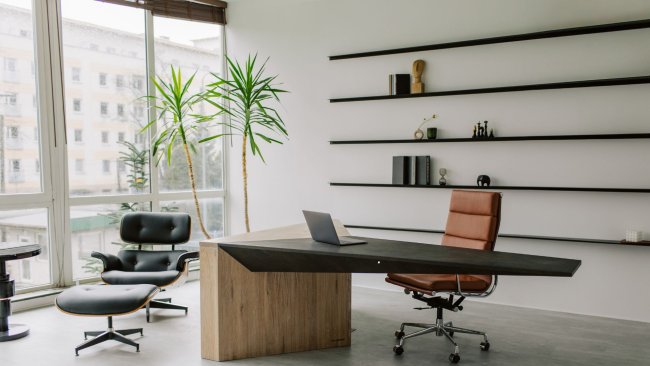
The modern working environment is changing rapidly, and offices need new solutions to adapt to this change. The traditional furniture concept is no longer sufficient, as employees seek more flexible, comfortable, and efficient conditions. Multifunctional office furniture is one of the main ways to meet these needs. Such furniture provides an aesthetic appearance while also adapting to different ways of working. For example, folding tables, mobile cabinets, and modular seating significantly expand an office's capabilities. Their use both saves space and creates an environment for more effective collaboration among employees. This type of furniture is a tool not only for comfort but also for productivity. This is because employees' physical comfort directly affects their mental activity. Well-designed multifunctional furniture reduces stress and increases motivation. In addition, such furniture allows employees to personalize their workspaces. This means greater satisfaction and concentration. Alongside the rapid development of technology, innovative solutions are also emerging in furniture design. For example, desks with USB ports and wireless charging systems are already becoming a new standard. This allows employees to work more efficiently without needing additional accessories and devices. The main advantage of multifunctional furniture is its ability to adapt to changing office requirements. This is an important advantage for both small startups and large companies. Optimizing office space is also a factor that directly affects productivity. Multifunctional furniture makes this optimization easier. As a result, both comfort and efficiency in the working environment increase. Together, all these are key factors that enhance competitiveness in the modern business world.
Key advantages of multifunctional office furniture
Multifunctional furniture brings not only beauty but also practical benefits to the workplace. One of its greatest advantages is saving space. This feature is particularly important in small offices, because every square meter is seen as a resource that affects productivity. Movable desks and folding chairs allow the workspace to be changed quickly. This creates suitable conditions for both individual work and team meetings. Another advantage is ergonomic design. When such furniture is made to suit human anatomy, health problems can be prevented. Adjustable chairs are one example. They help reduce lower-back pain and allow comfortable seating for long periods. Multifunctional furniture also changes the office atmosphere aesthetically. A more modern appearance increases employee motivation. It also creates a positive first impression for customers and partners. Another advantage is that this type of furniture is made from durable, environmentally friendly materials. Comfort and environmental responsibility are therefore provided together.
Mechanisms of influence on productivity
Multifunctional furniture affects productivity directly and indirectly. The first area of influence is physical comfort. Uncomfortable chairs and desks distract employees and cause fatigue. Well-designed furniture makes work easier. The second mechanism is efficient use of space. Furniture providing many functions in little space gives employees greater freedom of movement. This stimulates creative thinking. The third mechanism is the collaborative environment. Modular furniture can be easily combined to create new spaces for teamwork, accelerating idea exchange and joint activities. Emotional well-being is another important mechanism. Colorful, aesthetically pleasing furniture positively affects employee mood. A more pleasant atmosphere increases motivation. The final mechanism is technological integration. Desks and seats with innovative features increase work speed and support productivity.
The role of design and aesthetics
Office furniture design matters not only for appearance but also for functionality. A beautifully designed space strengthens employees’ creative potential. An aesthetically appealing environment helps employees feel more comfortable. Minimalist furniture design reduces clutter and prevents distractions. Choosing suitable colors also directly affects productivity. For example, light colors encourage calm and concentration. Bright colors increase energy and motivation. Design is also a factor that shapes the company’s image. When customers enter the office, the appearance of the furniture creates their first impression. Better results are achieved when aesthetics and practicality are combined in multifunctional furniture. A comfortable chair and an attractive desk together provide both functional and aesthetic value. Design should also accommodate employees’ individual preferences. This allows them to act more freely in their own environment. When a balance between aesthetics and functionality is achieved, the workplace becomes more positive and efficient. Design is therefore an important stimulus for productivity.
Technology-compatible furniture solutions
Technology-integrated furniture has become a necessity in modern business. USB ports and wireless charging systems in desks make work easier. This reduces the need for additional devices and equipment. Cable management systems also keep desks tidy. Technology-compatible furniture matters in meeting rooms too. Special modules for projectors and screens prevent wasted time. Integrated technological solutions increase employee productivity. Technology support becomes more important in hybrid working models because employees work both in the office and remotely. Smart desks and interactive boards accelerate teamwork. They enable faster decisions. Technology-compatible furniture is also an investment in the future. Companies should favor these solutions for long-term efficiency. This furniture looks modern and optimizes workflow. The work environment ultimately becomes more flexible and innovative.
The impact of multifunctional furniture on employee satisfaction
Employee satisfaction is one of the most important factors in productivity. Comfortable and functional furniture increases employees' motivation. For example, adjustable chairs can accommodate different heights and body types. This ensures comfort during prolonged sitting. Modular desks allow employees to arrange their workspaces as they wish. Personalization strengthens employees' sense of independence. A comfortable environment reduces employees' stress. This has a positive effect on the overall quality of work. Aesthetically pleasing furniture makes the time employees spend in the office more enjoyable. Psychological comfort means greater concentration and creativity. Multifunctional furniture also increases collaboration among employees. More flexible spaces make teamwork easier. This brings both satisfaction and productivity. As a result, employees feel valued, and their loyalty to the company grows stronger. Thus, multifunctional furniture turns the working environment into an atmosphere that is both productive and pleasant.
The role of multifunctional furniture in optimizing office space
Multifunctional furniture has a significant impact on the proper use of office space. Since every inch matters in small offices, modular solutions are an ideal choice. For example, folding tables can be used for both work and meetings. Mobile cabinets can be moved when needed. This creates a flexible office environment. Space optimization also allows employees to move around comfortably. In open areas, multifunctional furniture gives employees freedom. At the same time, partition systems are used to create individual spaces. These types of solutions help employees concentrate. Optimized space improves both the quality of work and opportunities for collaboration. Every detail is a factor that affects productivity. Multifunctional furniture is designed with these details in mind. As a result, the space looks both practical and aesthetically pleasing. Flexible management of space brings long-term benefits to the company. This also means efficient use of office resources.
Support for Collaboration and Teamwork
One of the main advantages of multifunctional furniture is the support it provides for collaboration. Modular desks can easily be joined together to accommodate team meetings. Comfortable seating and open spaces encourage the exchange of ideas. In enclosed environments, mobile wall systems make teamwork more flexible. Furniture solutions make it easier for employees to communicate with one another. This strengthens team spirit. Multifunctional furniture can also adapt to different working styles. It provides suitable conditions for both individual concentration and group discussions. Employees can therefore choose furniture that suits their preferred way of working. In meeting rooms, multifunctional tables and chairs speed up the decision-making process. The quality of teamwork is directly linked to office design. A comfortable environment brings out employees' creative potential. Multifunctional furniture further strengthens this process. When an environment conducive to collaboration is created, the company's overall productivity increases. As a result, both employees and management achieve more effective results.
The Importance of Health and Ergonomics
In today's business world, health is one of employees' main priorities. Multifunctional furniture supports health through its ergonomic design. Adjustable chairs prevent back and neck pain. Height-adjustable desks counterbalance a sedentary lifestyle. These desks allow people to work both sitting and standing. This improves blood circulation and reduces fatigue. Ergonomic design ensures employees' long-term productivity. This is because healthy employees are more energetic and motivated. A comfortable environment that supports health also reduces stress. Employees feel more secure. Multifunctional furniture supports both physical and psychological well-being. Design coordinated with color and lighting is also important for health. A bright and tidy environment reduces eye strain. Ergonomic solutions improve both individual and team productivity. Thus, health and ergonomics are the foundation of a productive working environment.
Multifunctional furniture in future office trends
As the business world changes rapidly, future office requirements also change. Multifunctional furniture is a key trend responding to these changes. Growth in remote and hybrid work increases the need for flexible furniture. Modular systems allow employees to work in different conditions. Smart furniture creates greater convenience through technological integration. This will become standard in future offices. Furniture made from eco-friendly materials is also part of the trend, because sustainability is a key company priority. Multifunctional furniture is expected to become more customizable. This will allow spaces to be created according to employee preferences. Minimalist and futuristic styles will take priority in design. Digitally integrated desks and chairs will increase productivity. Offices will also have more open areas. Multifunctional furniture will make these areas easier to manage. Future offices will thus be more flexible, technological, and productive.