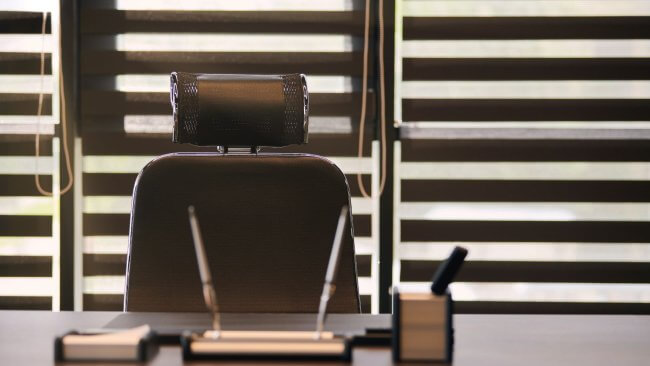
Leadership and management are not just about making decisions; they also depend greatly on the conditions created in the working environment. The most frequently used piece of furniture in the office is undoubtedly the executive desk. A well-chosen desk both reflects the executive's authority and increases productivity. The desk's size, design, material, and functionality should suit the executive's working conditions. An unsuitable desk can lead to both health problems and difficulties in organizing work. For example, a desk that is too narrow can make it difficult to arrange documents, equipment, and personal belongings. On the other hand, an excessively large desk can create a sense of emptiness and complicate the work process. The choice of an executive desk also plays an important aesthetic role. A desk that does not match the office interior disrupts visual harmony and detracts from the overall atmosphere. In addition, the desk's ergonomic features should be considered. This means that lumbar support while seated, comfort for the legs, and ease of access should be ensured. An executive desk can also reflect the executive's character, working style, and management approach. Therefore, both personal and professional requirements should be balanced when making a selection. Otherwise, the desk will remain merely a decorative element and will not provide comfort at work. It should not be forgotten that a well-chosen executive desk is a long-term investment. This is because it both optimizes working conditions and increases the executive's motivation. Every carefully considered choice makes itself felt in the work process. Therefore, choosing an executive desk is not simply a purchase, but a strategic decision. Now, let us look at the points that should be considered during this selection process.
Desk size and shape
When choosing an executive desk, size and shape should be considered first. The desk should be sized to suit the total office area. An oversized desk can crowd a small office. Conversely, a very small desk in a large office can weaken the executive’s image. The shape of the desk is also important. Rectangular desks create a traditional, classic appearance. Oval or round desks create a more modern, dynamic atmosphere. Some executives prefer L-shaped desks because they help divide the work area. The height of the desk should also ensure comfort. A desk that is too low or too high can negatively affect health. The choice of shape also depends on the executive’s working style. For example, a spacious design is useful for executives who frequently hold discussions at their desk. The desk should be large enough to accommodate documents, a computer, and other work tools comfortably. In other words, every item should have its own place. If the desk is too small, work will become disorganized. Conversely, an excessively large desk will create unnecessary empty space. Size and shape should therefore be chosen in a balanced way.
Materials and quality
The material of a desk affects both its aesthetic appearance and its durability. One of the most commonly used materials is wood. Desks made from natural wood are classic and sturdy. They are also considered a mark of prestige. For a more modern look, desks made from MDF or combined with metal can be chosen. Desks with glass surfaces look minimalist and elegant. However, glass desks can sometimes lack durability. Therefore, both beauty and practical considerations should be taken into account when making a choice. A quality desk can be used for many years without problems. A desk made from low-quality material can quickly become damaged. This would make frequent replacement necessary. It is also important for the desk surface to be resistant to scratches, stains, and heat. The quality of an executive desk also affects the executive's reputation. This is because a poor-quality desk can leave a negative impression on visitors. A desk made from good material, on the other hand, offers both functional and aesthetic advantages. Therefore, material and quality are among the key considerations in the selection process.
Functionality and comfort
An executive desk’s functionality is as important as its appearance. It should have sufficient drawers and storage compartments. This helps keep documents orderly. Extra shelves and compartments make work more systematic. Some desks have cable management systems, allowing computer and device wires to be kept neat. Hidden compartments may also be useful. Executives sometimes need these solutions to store important documents and personal belongings securely. A spacious work surface should allow comfortable work. The design should also follow ergonomic rules. Sitting at the desk should provide comfort for the lower back and arms. Functionality is often overlooked, but this can cause serious work difficulties. Comfort also affects motivation. A comfortable desk makes the executive feel more energetic. Functionality and comfort are therefore key indicators during selection.
Aesthetic appearance and style
An executive desk should match the office’s overall design. Aesthetic appearance adds a special atmosphere. Brown wood-toned desks are ideal for those who like classic style. Light-colored, minimalist desks suit more modern offices. Desk color should harmonize with walls and other furniture. Incompatible colors and styles can create visual chaos. Desk design also reflects the executive’s character. Large, classic desks can convey a prestigious, serious image. More creative executives may prefer unusual shapes. Style choices also depend on corporate culture. Formal environments suit serious designs, while creative sectors suit freer styles. Appearance matters not only to visitors but also to the executive’s mood. A beautifully designed desk gives pleasant energy. Selection should therefore consider aesthetics as well as practical aspects.
Budget and price compatibility
Budget is one of the important factors when choosing an executive desk. People are often drawn to expensive furniture based on appearance alone. However, a high price does not always mean high quality. A balance between price and quality should be maintained when making a choice. The best approach is to set a budget that matches your needs. The main factors determining price are material, brand, and design. Additional features, such as a cable management system or concealed compartments, can also increase the price. Exceeding the budget can compromise other office needs. Planning in advance is therefore important. The intended period of use also affects the price. For example, allocating a slightly higher budget to a desk that will be used for many years is worthwhile. Conversely, simple, less expensive options are sufficient for short-term projects. Browsing different stores and online platforms is useful for comparing prices, because different sellers may offer the same model at different prices. With proper budget planning, it is possible to choose something both affordable and high-quality.
Compatibility with technology
A modern executive desk should meet technological requirements. Space should be allocated to a computer, laptop, printer, and other devices. Cable management systems must be considered because tangled wires look untidy and create hazards. Desks with integrated USB ports and electrical outlets are also available. They make work easier. These solutions are particularly important for executives who work extensively with technology. The desktop should be large enough for electronic devices. Monitor height should match eye level. This matters for both health and comfort. Some desks also have special compartments for mobile devices, providing additional convenience. A desk incompatible with technology will quickly cause discomfort because much of everyday work involves electronic devices. An executive desk should therefore meet modern working requirements.
Health and ergonomics
Health should be one of every executive’s most important priorities. Desk height should suit the body’s natural posture. Otherwise, neck and lower-back pain will be inevitable. An ergonomic desk makes work more comfortable. Some desks are made as height-adjustable models. This allows both seated and standing work. There should be enough space for the legs. Crowding under the desk makes comfortable sitting difficult. Width is also important so the arms can rest comfortably on the desk. An ergonomic desk prevents health problems. Fatigue decreases during long-term use. A comfortable desk means higher productivity. People sometimes focus only on design. But for health, comfort is at least as important as design. Ergonomics should therefore be a key criterion when choosing an executive desk.
Company image and brand values
An executive desk is important not only for personal comfort but also for the company's image. Visitors to the office see the executive's desk first. The desk should therefore reflect the company's prestige. Prestigious companies usually prefer sturdy, classic designs. In more creative sectors, desks with unusual and modern designs are chosen. The desk's color and shape can match the company's brand colors. This strengthens corporate culture. An executive desk also expresses the executive's personal style. An executive who wants to appear authoritative prefers large, substantial desks. Those who want to create a more dynamic and modern image gravitate toward a minimalist style. A desk that does not align with brand values can send a conflicting message. This can cause confusion for both employees and clients. A well-chosen desk, however, supports and strengthens the company's values. Therefore, a desk is not just furniture but also a tool for shaping an image.
Durability for Long-Term Use
Long-term use should be considered when choosing an executive desk. A desk made from quality material lasts for years. Its surface should resist scratches and impacts. Otherwise, frequent replacement will be necessary. A durable desk saves both money and time, because a high-quality desk bought once can serve for years. A desk made from cheap, weak material fails quickly. This requires additional expenditure. A desk that deteriorates quickly also causes discomfort in the work environment. Durability depends not only on material but also on manufacturing technology. A quality manufacturing process ensures a stronger desk. A warranty is also important for long-term use. Good manufacturers offer long warranties. This gives buyers additional confidence. A durable desk is both a reliable and economical choice.