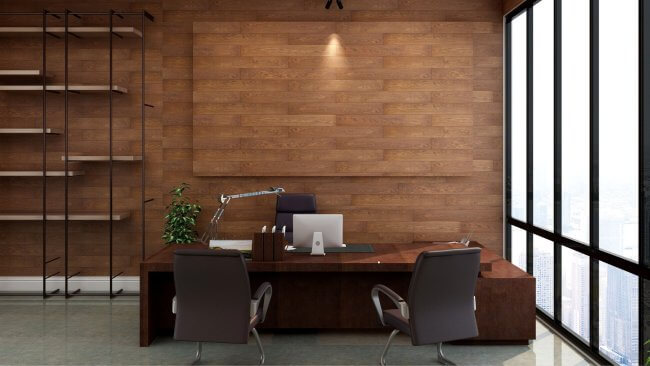
Today, the vast majority of people spend at least 6–8 hours of the day at a desk. For this reason, the setup of a work desk directly affects productivity, health, and even mood. A properly organized work desk prevents distractions and makes the work process more comfortable. Order on the desk is an indicator of both a professional appearance and work habits. A cluttered desk can cause mental confusion, while an orderly desk improves focus. The size, height, and location of the work desk play an important role in the employee's comfort. Creating an ideal workspace at home is a particularly relevant topic in the era of remote work. Choosing the right desk helps protect back, neck, and eye health. A minimalist approach is very useful for increasing productivity. Arranging items in an accessible and functional way prevents wasted time. Lighting and monitor placement are important for preventing eye strain. Keeping only essential items on the desk strengthens concentration. The work desk should also serve as a motivating environment. Decoration and personal details should be approached with moderation. While excessive decorations are distracting, a small number of personal elements can provide motivation. Every detail should be chosen to suit the employee's personal style and field of work. Keeping the desk clean should become a daily habit. The ideal work desk may differ for everyone, but the basic principles apply to all. The right setup ensures long-term productivity and comfort.
The Role of Ergonomics in Desk Design
One of the main requirements of an ideal work desk is attention to ergonomics. Ergonomics is a set of scientific principles intended to support human health and comfort. The desk's height should match the dimensions of the chair. A desk that is too low can cause back pain, while a desk that is too high creates tension in the shoulders and neck. The monitor should be positioned at eye level so that you do not have to look down or up. The keyboard and mouse should be within comfortable reach of your hands. Correct positioning of the hands and wrists prevents long-term health problems. The chair should have lumbar support and allow you to keep your back straight. Your feet should rest comfortably on the floor, and your knees should be at a 90-degree angle. There should be sufficient support space for your arms at the edge of the desk. Lighting should be provided by natural or artificial light in a way that does not strain the eyes. At the same time, neatly arranging cables on the desk also affects the comfort of the working environment. An ergonomic desk setup both increases productivity and protects long-term health. By following these principles, your work process will be less tiring and more efficient.
The importance of minimalism and tidiness
Minimalism is one of the main principles of an ideal desk setup. Only the items you use most frequently should remain on the desk. Excess pens, notebooks, and unnecessary documents are distracting. A tidy desk helps the brain think more quickly. It is better to keep items that are not needed during work in drawers. When every item has its own place, less time is spent searching. A minimalist desk also creates visual comfort. Too many decorations and objects, however, can cause eye fatigue. Tidying the desk at the end of each workday is a good habit. This both provides motivation for the next day and keeps the environment clean. Converting piles of paper to electronic form keeps the desk tidier. Using cable management systems prevents clutter. Minimalism also increases motivation to work. This is because excess items distract the brain and slow down the work process. Order, on the other hand, strengthens focus. These principles make it possible to work more productively every day.
The impact of lighting and decoration
Lighting is very important in an ideal desk setup. Natural light increases productivity and benefits eye health. Placing the desk near a window makes the working environment more lively. However, direct sunlight should not fall on the screen. Otherwise, monitor glare can strain the eyes. An additional desk lamp is also important for proper lighting. The lamp's light should not be too dim or too bright. Decoration should play a motivating role. Placing a small number of plants on the desk provides both aesthetic appeal and psychological comfort. Personal photos or small accessories can create motivation. However, excessive decoration distracts attention. Color selection is also an important factor. Soft and neutral colors bring calm, while bright colors increase energy. Maintaining balance in decoration is essential. The visual appearance of the desk is one of the important elements that influence the work process. Proper lighting and decoration complement the ideal desk setup.
Selecting Technology and Equipment
The ideal workstation consists of more than just a desk and a chair; the technology used is also important. A computer or laptop is the primary tool for productivity. Its quality directly determines the speed of the work process. When choosing a monitor, its size and quality should be considered with eye health in mind. Many people work more efficiently by using several monitors at the same time. The keyboard and mouse should be ergonomic so that they do not put additional strain on the wrists. Headphones or a high-quality sound system are useful for online meetings. A printer or scanner should be chosen only according to work requirements. Unnecessary equipment clutters the desk and distracts attention. Managing the cables of technical devices is important for keeping things tidy. Wireless devices significantly reduce this problem. Internet speed also plays a major role in work efficiency. Poor internet connectivity lowers motivation and causes time to be wasted. Choosing the right technology ensures comfort and functionality at the desk.
The psychological impact of colors
Colors greatly affect human psychology and working mood. Colors used around the desk influence motivation and attention. White and light tones create calmness and clarity. Green symbolizes creativity and closeness to nature. Blue is calming and increases concentration. Yellow tones raise energy and bring optimism. However, very bright colors can cause fatigue in some people. Neutral colors are more suitable for prolonged work. Decorative color choices should be balanced. Since every color has a different effect, the workspace should be designed according to personal needs. Multicolored environments sometimes distract, while simple colors make focusing easier. Monitor backgrounds and desktop images also matter psychologically. Color harmony is an integral part of an ideal desk setup. Well-chosen colors can positively change the working mood.
The importance of cleaning and daily care
Cleanliness is essential for maintaining an ideal work desk. Dust and dirt harm both health and the functioning of equipment. Wiping the desk regularly makes the working environment more pleasant. Putting items back in their places at the end of each workday maintains order. This habit helps you start the next day with greater motivation. Keeping documents in the correct folders makes searching easier. Excessive paper and unnecessary items should be kept off the desk. Keeping electronic devices clean is also very important. The keyboard, mouse, and monitor should be cleaned regularly. Otherwise, dust and bacteria can accumulate. Attention should also be paid to caring for plants. Wilted plants bring fatigue rather than motivation. Leaving lots of food scraps on the desk is both unhygienic and a source of unpleasant odors. A clean and well-maintained desk improves both productivity and mood. For this reason, cleaning should be part of the daily work routine.
Individual style and personal comfort
An ideal desk is not set up solely according to standard rules; personal style is important too. Everyone has a different idea of comfort. Some people like a minimalist desk, while others prefer colorful decorations. Personal style increases motivation and engagement with work. Keeping a small number of personal belongings on the desk makes the work environment more welcoming. A small souvenir or family photo can provide motivation. However, too many personal belongings are distracting. Individual preferences are also important for comfort. Some people use a writing board or calendar on their desktop. Others prefer digital planning tools. Everyone should design a desk that suits their working style. Drinking water or a cup of coffee can be kept nearby for convenience. Alongside personal style, functionality should also be considered. When the balance is disrupted, the desk can become either overly plain or too cluttered. The best approach is to create a work environment that suits you and motivates you.