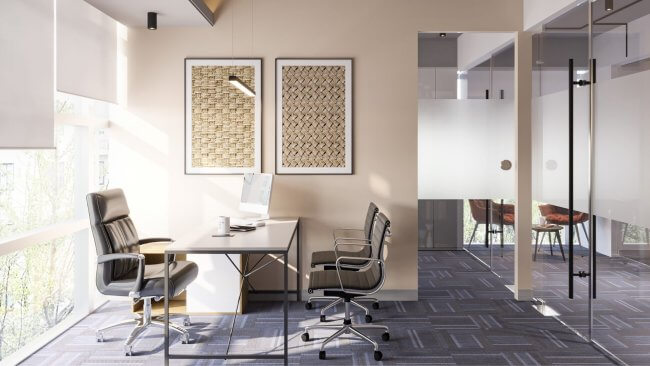
The concept of the office has begun to change fundamentally in recent years. As Generations Y and Z take an active role in the business world, their expectations influence design approaches. The traditional office model consisting only of desks and chairs is no longer sufficient. Employees of the modern generation seek both comfort and an inspiring environment. They place greater importance on work-life balance. Rapid technological development also creates new requirements. Office spaces should support collaboration, creativity, and innovation. Old-fashioned, dull walls are giving way to open, flexible layouts. Generations Y and Z want to feel emotional connection and motivation in the office. This requires a different approach to design concepts. Comfort within spaces directly affects productivity. Even color selection is considered a motivational factor in new-generation offices. Employees need spaces not only for work but also for social interaction. Private zones are important alongside open spaces. Health and well-being have become a central part of office design. Green plants, natural light, and relaxation corners have become trends. Companies also try to reflect their brand identity in the design. All these factors shape Generations Y and Z’s view of the workplace. New-generation office design therefore requires both an aesthetic and a functional approach.
Office design centered on technology and flexibility
The role of technology in next-generation office design is undeniable. Since Generations Y and Z grew up in a digital environment, there is a strong need for smart solutions in offices. Interactive panels, virtual meeting rooms, and cloud-based systems make collaboration easier. Flexibility is also an important part of modern design. Modular furniture allows employees to easily change their workspaces. This supports both individual and teamwork. Mobile and folding desks are preferred over traditional fixed desks. Office design is no longer limited to physical space; it is also integrated with the virtual environment. Fast internet and technological equipment are essential in the office for Generations Y and Z. They want to be able to continue their work from anywhere. To achieve this, hybrid systems are incorporated into the design concept. An easy transition between online and offline meetings should be ensured. When technology and flexible design come together, the office environment becomes motivating. At the same time, it increases productivity. Modern design enables the office to be not only a workplace but also a center of creativity. This makes companies more competitive.
Design approaches that support health, comfort, and well-being
Generations Y and Z place particular importance on a healthy lifestyle. Office design should therefore focus on well-being. Windows that connect the interior to the outdoors and natural light are key elements. Interiors rich in plants strengthen employees’ psychological balance. Comfortable seating corners and relaxation areas prevent stress. Ergonomic chairs and desks prevent health problems from developing. Generations Y and Z work more efficiently when they feel comfortable in the workplace. Incorporating exercise and meditation corners into office design is also now a trend. This generation wants not only to work but also to protect its mental and physical health. Food and beverage corners in the office support a balanced diet. Color selection also affects well-being: light, calm tones reduce stress. At the same time, acoustic solutions minimize noise. Providing comfort and well-being increases employees’ loyalty to the company. This approach also strengthens employees’ creative potential. The office is becoming a space not only for work but also for a way of life. This is the central philosophy of design for the new generation.
Spaces that encourage socializing and strengthen team spirit
Generations Y and Z place great importance on teamwork. Therefore, design elements that support social interaction are important in offices. Open-plan workplaces increase communication among colleagues. Café-style spaces allow for informal conversations. These types of environments make it easier to share ideas. Team rooms, meanwhile, ensure that joint projects are carried out more efficiently. Generations Y and Z do not feel comfortable in a monotonous environment. They need open areas where they can freely exchange ideas. Integrated lounge areas strengthen the spirit of collaboration. Social spaces also have a positive effect on employee motivation. Including gaming and entertainment corners in the design is even among the trends. This reduces tension during the work process and strengthens team spirit. An environment that encourages social interaction also strengthens company culture. This design approach increases employees' sense of belonging to the company. As a result, a more creative and energetic environment takes shape. For Generations Y and Z, the office is not only a place for work, but also a space for communication and collaboration.
An aesthetically pleasing office design that reflects brand identity
For Generations Y and Z, aesthetic appeal is not just about beauty, but also a source of motivation. It is important for office design to reflect the company's brand identity. The logo, corporate colors, and unique interior details strengthen employees' sense of belonging. These generations prefer to work in a transparent and genuine environment. Light colors and modern decorative elements create a positive atmosphere. The design should visually communicate the company's values to employees and customers. Using creative elements in different areas increases motivation. Wall paintings, graffiti, and works of art are appealing to younger generations. They enjoy working among inspiring details rather than monotonous walls. At the same time, the office's aesthetics also affect the company's external image. When customers enter the office, they should feel the strength and creativity of the brand. An aesthetic approach also has a positive effect on employees' daily energy levels. Color choices, lighting, and decorative elements should be carefully planned. Every detail shapes the emotional atmosphere of the work environment. Thus, aesthetic and brand-oriented design is of great importance to Generations Y and Z.
Environmental sustainability and the green office concept
Sustainability is one of the main criteria in next-generation office design. Generations Y and Z attach particular importance to environmental values. Therefore, the green office concept is appealing to them. Energy-saving systems benefit both the company and nature. Solar panels and LED lighting are the most commonly used solutions. Creating recycling areas in the office increases employees' environmental awareness. Furniture made from natural materials offers advantages in terms of health and sustainability. Interiors rich in green plants provide employees with both visual and psychological comfort. An environmental approach also demonstrates the company's social responsibility. This leads employees to feel more committed to the company. Sustainability also attracts the attention of younger-generation customers. Generations Y and Z may make their choices based on companies' environmental values. Therefore, green office design serves both brand image and employee satisfaction. Using recyclable materials minimizes environmental impact. As a result, a sustainability-focused office concept is becoming one of the key trends of the future.
Design solutions suited to the hybrid work model
The hybrid working model has become widespread since the pandemic. Generations Y and Z are among its most active users. Office design should therefore be adapted to hybrid systems. Employees should be able to work comfortably from both home and the office. This requires technological and spatial flexibility. Video conferencing rooms should have high-quality acoustics and lighting. Shared desks and “hot-desking” systems are considered effective office solutions. Flexible seating makes office use more rational. Individual zones must also be considered in hybrid design. Employees sometimes want to focus in a quiet environment. Open zones that support teamwork should also remain. This balance increases both individual and collective productivity. Digital management systems also play an important role in hybrid offices. Online desk and room reservations make work easier. Thus, design suited to the hybrid working model fully meets generations Y and Z’s expectations.
Integrating art and creative elements into the office
For Generations Y and Z, the workplace should be not only functional but also creative. This is why incorporating elements of art into office design plays an important role. Paintings, sculptures, and graffiti walls help inspire employees. Creative decoration makes monotonous work more interesting. Art corners and creative zones stand out in modern offices. These spaces are used both for relaxation and for developing new ideas. Artistic elements enrich the office’s aesthetic appearance. At the same time, they reflect the company’s innovative way of thinking. Generations Y and Z take a particular interest in art and design. For them, the workplace should also provide emotional motivation. Changing the artwork in an interior brings dynamism to the office. This allows employees to work in a continually renewed atmosphere. Creativity also has a positive effect on teamwork. Original design elements help generate new approaches to collaboration. Art and creativity therefore become integral parts of offices for the new generation.
The role of next-generation lighting systems
Lighting is one of the most important elements of office design. Natural light is extremely important for Generations Y and Z. Large windows and making the most of daylight increase employees’ energy. New technologies are being applied to artificial lighting. LED and smart systems bring flexibility to the workplace. Being able to change the intensity and color tone of the light ensures employee comfort. In some modern offices, lighting automatically adjusts to the time of day. This positively affects human biorhythms. Generations Y and Z want to avoid the fatigue caused by monotonous fluorescent lighting. Lighting design also creates an aesthetic atmosphere. Various color effects strengthen employees’ creative spirit. Dynamic lighting systems can create different moods during team meetings. Soft lighting is also used in quiet work areas. Lighting therefore plays a key role in shaping both the functional and emotional environment. New-generation lighting systems are defining the future of office design.
Design that supports a balance between work and leisure
Generations Y and Z place great importance on work-life balance. Entertainment elements therefore have a place in office design. Game rooms, console corners, and tabletop gaming tables appeal to these generations. These spaces help reduce work stress. During short breaks, employees have fun and strengthen team spirit. Entertainment corners provide opportunities for collaboration and informal communication. Comfortable lounge areas are also part of a balanced work environment. Employees can relax and discuss new ideas here. For generations Y and Z, entertainment is not merely wasted time but also a source of creativity. Entertainment elements add positive energy, directly increasing productivity. Design should establish the right balance between work and entertainment, because exclusively work-oriented environments reduce younger generations’ motivation. Entertainment zones increase dynamism. Design supporting this balance ultimately fully matches their expectations.