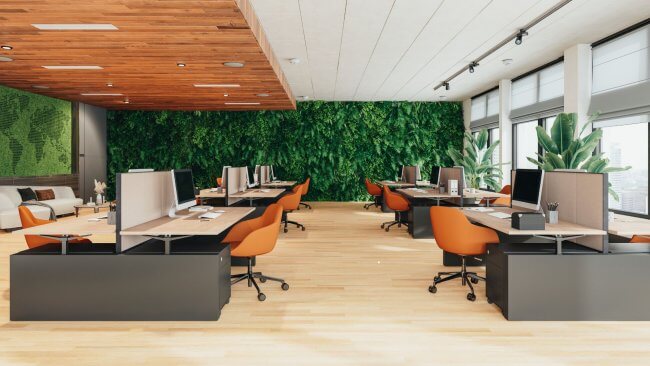
Co-working spaces are becoming increasingly popular today. Professionals from different fields work in one space, gaining opportunities for both collaboration and comfort. The main advantages of these spaces are flexibility and ease of use. Comfort is directly linked to furniture selection. Furniture should stand out through functionality as well as aesthetic appearance. Comfortable seating is extremely important in places where people work for long periods. The compatibility of desks and chairs should also receive attention. Because everyone in a co-working space has different needs, furniture should be approached differently. For example, individual desks are important for some users, while open spaces and team tables are more suitable for others. Hybrid furniture models that accommodate different working styles should therefore be selected. The size of the space also affects furniture choices. Modular furniture is more efficient in small spaces. In larger areas, furniture can be placed to suit different zones. Aesthetic appearance increases motivation just as comfort does in the workplace. The balance between design and functionality should therefore take priority. Co-working spaces bring together young, creative people. Modern, innovative furniture approaches are consequently always more popular. Furniture is an important factor in both physical comfort and the development of social relationships.
Comfort and ergonomics
Comfort is the first factor to consider when choosing furniture for co-working spaces. Ergonomic chairs are essential for people who work seated for long periods. Proper lumbar support prevents health problems. Adjustable desk height also ensures employees' individual comfort. This type of furniture increases work productivity. An ergonomic approach is not limited to chairs and desks. It should work in conjunction with footrests, armrests, and appropriate lighting. Comfort in the working environment also creates psychological ease. People coming to a co-working space should feel that they are in an atmosphere where they can work without feeling constrained. Uncomfortable chairs cause fatigue and distraction. By contrast, quality furniture withstands long-term use. This means fewer additional expenses for the business owner. Co-working spaces are dynamic places, so furniture should be both durable and practical. In addition to its comfort, users should also benefit from the furniture's functional features. Thus, comfort and ergonomics should be the main priorities in these spaces.
Modular and flexible furniture approaches
Users' requirements in co-working spaces change frequently. Sometimes a quiet corner is needed for individual work. At other times, working together as a team is more appropriate. In such cases, modular furniture solutions are very useful. Modular furniture can be combined or separated and rearranged into different configurations according to need. This allows the space to be continually adapted to new situations. A flexible approach makes it possible to maximize the use of space. Such furniture is also easy to move and practical. Users can quickly change their work areas. This supports both individual and group work. Modular desks, folding chairs, and mobile shelves are widely used in co-working spaces. Such furniture also creates a modern aesthetic. Flexibility also helps transform the space quickly for various events. Thus, modular furniture approaches are among the most functional solutions for co-working environments.
Aesthetic and design approaches
Aesthetic appearance plays an important role in increasing motivation in co-working spaces. People work more productively in creative, tasteful environments. Furniture design should therefore be not only functional but also visually attractive. Color harmony brings a space to life. Light tones provide comfort, while bright colors provide energy. Modern minimalism is highly popular in co-working spaces. Simple lines and practical designs suit younger users better. Natural materials also add warmth. Furniture integrated with wooden elements and green plants is more attractive. Aesthetic approaches matter for branding too. Furniture design aligned with the space’s image creates a pleasant impression. Decorative styles can also be applied according to different zones. Soft armchairs can be selected for lounge areas and more formal, minimalist furniture for work areas. Aesthetic design approaches thus make co-working spaces both functional and motivating.
Furniture approaches with integrated technology
Modern co-working spaces are created not only for working but also for benefiting from innovative solutions. Integrating technology with furniture makes these spaces more functional. For example, tables with electrical outlets provide convenience for users. USB ports and wireless charging areas make mobile devices easier to use. Integrated cable management systems also create a clean aesthetic. This eliminates cable clutter on the desk. Some chairs now also incorporate ergonomic sensor technology. These sensors can monitor the user’s sitting posture and provide alerts. Desk height adjustment mechanisms are easier to use with electrically powered systems. Technological furniture supports both individual work and teamwork. Special video-conferencing tables and acoustic booths are examples. This furniture will also see greater demand in the future, because the younger generation is more connected to digital technology. Furniture approaches that integrate technology therefore complement the modern style of co-working spaces.
Choosing suitable furniture for socializing and collaboration
Co-working spaces bring together people from different professions and fields. Choosing furniture that encourages social interaction is therefore very important. Comfortable lounge areas allow people to get to know one another in an informal setting. Soft sofas and open seating groups are the best choices in this respect. These areas are ideal for both short breaks and informal meetings. Large round tables allow teams to hold discussions comfortably. Sections with acoustic panels are also suitable for creating semi-open meeting spaces. In such spaces, people can both work individually and exchange ideas in small groups. Furniture designed for social interaction also changes the atmosphere of the space. Users become more motivated, and opportunities for collaboration increase. Café-style chairs and tables are also popular in co-working spaces. They provide comfort both aesthetically and functionally. At the same time, open bookshelves and decorative elements stimulate communication. Furniture chosen for social interaction and collaboration therefore improves both the quality of work and satisfaction.
Sustainability and environmentally friendly approaches
Sustainability is becoming increasingly important in today’s co-working spaces. It is important to be environmentally responsible when choosing furniture. Furniture made from natural materials, especially wood and bamboo, reduces environmental impact. The use of recycled materials is also becoming widespread. This benefits nature and adds a distinctive aesthetic to the space. Energy-saving technological furniture is also important for sustainability. Long-lasting, durable furniture does not need to be replaced frequently. This is advantageous both economically and environmentally. Safe, environmentally friendly products should also be selected when choosing paints and varnishes. This keeps the space healthy and clean for users. At the same time, a sustainable approach to furniture demonstrates the brand’s social responsibility. This positively affects the image of the co-working space. People become more interested in working in such spaces. The sustainable furniture trend is expected to strengthen further in the future. Ultimately, environmentally responsible approaches benefit both nature and human health.
Furniture for Privacy and Focus Areas
The open layout of co-working spaces may not suit everyone. Some users prefer to work in quiet, private conditions. In this case, specialized furniture solutions can help. Desks with acoustic panels reduce noise and improve concentration. Individual booths are also an ideal choice for privacy. Both phone calls and online meetings can be conducted comfortably in such booths. Minimal, simple furniture is chosen for focus zones. This is because excessive decoration can be distracting. Small workstations are very suitable for individual users. Folding tables and comfortable chairs are recommended for private meeting rooms. This type of furniture is both space-saving and functional. Focus zones should be designed in balance with the overall space. In this way, both open and enclosed working styles can be accommodated. Furniture designed for privacy and focus gives users additional freedom of choice. This makes the co-working space more flexible and attractive.
Furniture for distinguishing aesthetic zones
In co-working spaces, it is important to create not only a work zone but also different functional areas. For example, separate furniture solutions should be implemented for relaxation, meeting, and creativity zones. The furniture for each zone is selected according to its purpose. Soft armchairs and comfortable sofas predominate in lounge areas. More formal and functional desks are used in workrooms. Colorful seating and unusual table shapes can be chosen for creative zones. This stimulates people's creativity. Color coordination also creates a different atmosphere in each zone. Aesthetic divisions add visual appeal to the space. Users have a different experience in each zone. This prevents monotony. Choosing furniture suited to different zones is essential from both a functional and a design perspective. At the same time, this approach allows the space to be used for multiple purposes. Thus, distinguishing aesthetic zones provides users with a richer experience in co-working spaces.
Furniture for calming and relaxation areas
Co-working spaces should have dedicated areas not only for work but also for relaxation. People who work for long periods need a calming atmosphere during their breaks. Furniture selected for this purpose should emphasize comfort and softness. Upholstered armchairs and poufs are the most commonly used elements in such zones. Sometimes hanging chairs or swings are chosen as a creative approach. This furniture provides both psychological comfort and physical rest. Color selection is also important for relaxation zones. Calmer and more neutral tones help people relax. Furniture integrated with plants creates an atmosphere that feels close to nature. Calming zones also provide opportunities for small tabletop games and informal conversations. In this way, people step away from work stress and return with more energy. These zones also help develop social relationships. Choosing furniture for relaxation in co-working spaces maintains the balance of the working environment. As a result, employees are both happier and more productive.
Furniture approaches for quick meetings
Short meetings are frequent in co-working spaces. Furniture for these gatherings should be functional and practical. Compact tables and lightweight chairs are considered the best solution. They allow quick relocation. Round tables are very convenient for small-group discussions because their shape creates equal communication. Large, heavy furniture is unsuitable for quick-meeting zones. Folding or mobile chairs are more appropriate. Acoustic wall panels improve meeting quality by minimizing noise. Tables integrated with writing boards or interactive panels are also useful in these zones. People can then share ideas more quickly. Comfortable seating arrangements make discussions more efficient. Meeting furniture should suit both formal and informal conversations. Furniture approaches for quick-meeting zones thus strengthen the flexibility of co-working spaces.
Suitable furniture choices for the digital generation
The main users of today’s co-working spaces are young people and members of the digital generation. Their expectations differ from those of a traditional workplace. The digital generation prefers more modern, technology-oriented furniture solutions. Integrated charging systems are therefore now essential. Young users place great importance on aesthetics as well as comfort. Brightly colored chairs with modern designs are more attractive to them. Mobile and modular furniture also suits their flexible working style. Beanbag chairs and comfortable lounge sofas are favorites among the younger generation in co-working spaces. This furniture can be used for both work and relaxation. Different shapes and unusual design approaches also generate considerable interest. The digital generation likes working in creative environments. Furniture choices should therefore increase their energy and motivation. Alongside functional design, seating groups that support social interaction are also important. As a result, furniture selected for the digital generation makes co-working spaces more attractive.