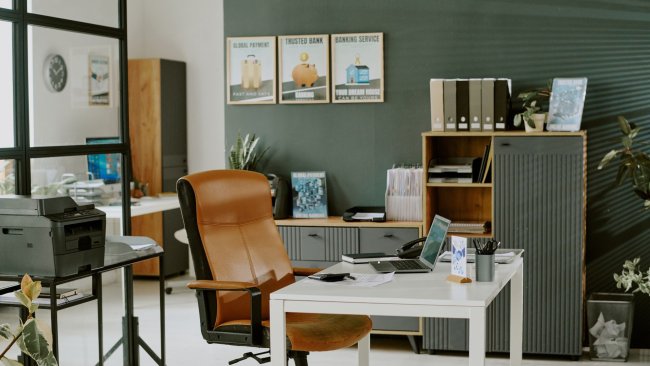
Office furniture is not merely for sitting and working; it is also a key factor affecting comfort, health, and productivity. Although many people prioritize design, material selection is a main indicator of quality. Furniture material determines durability, comfort, and longevity. Choosing good materials ensures long, trouble-free office use. Otherwise, furniture that fails, scratches, or deforms quickly can negatively affect work. Because daily office use is intensive, high-quality materials are even more important. Different materials have different advantages and disadvantages. For example, wooden furniture offers a classic appearance, while metal is stronger. Plastic or MDF is considered an inexpensive alternative but may wear out quickly. Choosing quality materials protects both employee comfort and company image, because furniture is the first thing to catch a customer’s attention on entering. Each material has a different effect on use, cleaning, and storage. Choosing suitable materials to create workplace comfort requires a strategic approach. Although many companies favor cheap materials to save money, this creates additional long-term costs. High-quality materials offer both aesthetic and functional benefits. As technology develops, the range of materials also expands. This makes selection both interesting and difficult. Office furniture material is therefore not merely about appearance but is a key indicator of quality.
The effect of wood on quality
Wooden furniture is always considered a classic, prestigious choice in office design. Its main advantage is strength, because it can last for years. Solid wood furniture is of a high standard in both appearance and quality. It brings a natural, warm atmosphere to the office. One of wood’s main disadvantages is its expense. It may also be sensitive to humidity and temperature changes. However, proper care and protection allow long-term use. The richness of wood colors and textures can give an office interior a distinctive style. Aesthetically, it is ideal for presentation meetings and customer reception rooms. High-quality wood is more resistant to scratches and impacts. Wooden furniture is also considered environmentally superior. Because it is made from natural materials, it does not negatively affect human health. Various varnishes and paints can protect it for a longer life. Wood is therefore among the most reliable choices for quality.
The Effect of Metal Material on Quality
Metal furniture is becoming increasingly popular in modern offices. The main reason is its strength and durability. It retains its shape even under intensive daily use. Metal-framed chairs and desks can be used for years without problems. They are also relatively easy to clean and maintain. Another advantage of metal is that it offers various design possibilities. Metal is an ideal choice for minimalist and modern interiors. It also offers high resistance to fire and moisture. However, metal furniture can sometimes look cold and rigid. To avoid this, it is often combined with wood or plastic. It is important to protect metal surfaces with a special coating to prevent rust. High-quality metal materials ensure longevity in the office. Although metal furniture falls within the mid-price range, it offers long-term use that makes it good value. Metal furniture is particularly ideal for large teams and heavily used areas.
The impact of MDF and plastic materials on quality
MDF and plastic furniture are mainly chosen to save money. They are cheaper than wood and metal but differ in quality. MDF furniture has smooth surfaces and broad color choices, providing design flexibility. However, it is not moisture-resistant and can deform quickly. Plastic furniture is practical because it is lightweight and easy to move. It is also economical for those wanting to establish a low-cost office. But plastic scratches and wears out quickly. In quality terms, it is unsuitable for long-term use. It is also less recommended environmentally. Although MDF is somewhat more durable, it remains weaker than solid wood and metal. Their main advantage is a wide range of design and color choices. They may be good options for temporary offices or little-used areas. However, they are not recommended on quality grounds for heavily used offices.
The effect of glass on quality
Glass furniture is chosen to create a modern, aesthetic office appearance. It is used especially in meeting rooms and reception areas. Because glass transmits light, it makes office space look larger and more open. High-quality tempered glass is sufficiently durable. Ordinary glass, however, is weak against impacts and breaks easily. Reinforced glass should therefore always be used in offices. Glass furniture is also hygienically suitable because it is easy to clean. Its main advantage is creating harmony in minimalist and modern interiors. Glass can be combined with other materials such as metal or wood, providing both strength and beauty. Its disadvantage is high cost. It also needs frequent cleaning because marks remain visible. Glass is a prestigious choice for customer-facing companies, but is more recommended in areas not intended for intensive daily use.
The effect of leather and textile materials on quality
Leather and textiles are the most commonly used materials in office chairs and upholstered furniture. Leather offers advantages in both prestige and durability. Genuine leather retains its shape for a long time and is easy to clean. Faux leather is cheaper but may crack and wear out quickly. Textiles are more suitable for comfort. They offer various colors and patterns. However, textiles are more sensitive to dirt and stains. High-quality textiles retain their color for a long time. The choice between leather and textiles depends on office style and budget. Leather is used mainly in executive offices and special reception areas. Textiles are ideal for comfortable everyday employee chairs. Ventilation is important with both materials. Poor-quality materials can cause employee discomfort and fatigue. Chair material should therefore be chosen carefully for both health and quality.
The use of mixed materials and quality indicators
Mixed materials are frequently used in modern office furniture. For example, wood or MDF surfaces are placed on metal frames. This approach provides both strength and aesthetic appeal. Mixed-material furniture offers more design options. It can also provide a better balance in terms of price. In other words, it is more affordable than furniture made entirely of wood or metal. Combining these materials also increases functionality. For example, glass and metal together create a more modern appearance. A combination of leather and textiles offers both comfort and aesthetic advantages. Mixed materials can also be a more suitable solution for different office zones. This is because the balance of materials is tailored to the needs of each area. In terms of quality, the durability of each selected material is important. If a weak material is used, the quality of the entire piece of furniture also decreases. Therefore, high-standard components must always be selected for mixed-material furniture. Ultimately, mixed materials are a rational choice for office furniture from both an economic and an aesthetic perspective.
Choosing materials from an ergonomic perspective
The material of office furniture plays a major role not only in durability but also in ergonomics. Ergonomic chairs and desks have a positive effect on employee health. Leather and textile materials provide long-term comfort thanks to their breathability. If the material is of poor quality, employees may tire quickly and feel discomfort. The surface material of desks is also important in an ergonomic approach. A material that is smooth, scratch-resistant, and easy to clean makes the work process more comfortable. Good material protects the health of the lower back, neck, and wrists. Along with ergonomic design, it is essential for the material to be breathable and flexible. Poor-quality plastic or artificial leather heats up quickly and causes discomfort for the user. This can reduce employee productivity. In contrast, quality textiles or genuine leather provide long-term comfort. Solid wood desks provide a comfortable working environment through their stability. Choosing furniture with ergonomics in mind demonstrates the value the company places on employee well-being. As a result, material selection forms the foundation of a healthy and productive working environment.
Material selection from an environmental perspective
Today, companies pay attention to material selection not only in terms of quality but also in terms of environmental responsibility. Materials such as natural wood and bamboo are considered more environmentally preferable. They come from natural sources and can be recycled. Plastic and MDF, by contrast, cause more harm to nature. This is because they contain chemicals and do not break down easily. Using environmentally friendly materials also demonstrates a company's social responsibility. This detail is very important to customers and employees in terms of image. Recyclable metal materials are also considered an environmentally friendly choice. Wood protected with environmentally friendly paints and varnishes is also safe for health. Furniture materials selected with environmental considerations in mind also improve air quality in the working environment. Poor-quality materials, on the other hand, may sometimes emit harmful gases. This negatively affects employees' health. An environmental approach improves both the quality of the office and its long-term sustainability. In conclusion, material selection is important not only economically but also environmentally.
Choosing materials to suit the budget
Budget is one of the most frequently considered factors when choosing office furniture materials. Companies sometimes favor affordability and sometimes longevity. Wooden furniture is more expensive but durable over time. Metal is considered a good mid-priced choice. MDF and plastic furniture are cheaper but may fail quickly. Furniture made from mixed materials can offer a balanced budget choice because it is both durable and affordable. The long-term perspective should also be considered when selecting materials within budget. Cheap materials may require additional expenditure after a short time. Quality materials justify the investment through greater longevity. Office image should not be forgotten when saving money. Higher-quality materials should be chosen in customer-facing areas. More economical alternatives may suit employee rooms. Thus, budget-appropriate material selection ensures both economic and functional balance.