A meeting room is one of the important spaces that directly reflects a company's internal communication culture, speed of decision-making, and professional image. For this reason, furnishing this room properly is not merely an aesthetic matter but also a functional necessity. In particular, the choice of table and seating has a significant impact on overall comfort, meeting productivity, and participants' attention. Poorly chosen furniture can cause fatigue during long meetings, weaken communication, and even limit the ways the space can be used. A properly chosen table should meet technical requirements while also fitting the size of the room. Seating should also be assessed not only by its appearance but by its ergonomic features. Since meeting rooms in modern offices serve multiple purposes, furniture selection should be approached with flexibility in mind. Some rooms are intended for brief team meetings, while others are designed for long strategic presentations. A standard approach therefore does not always produce effective results. The frequency of use, number of participants, and meeting format should be determined in advance. Only then is it possible to make the right decision about the table's shape, size, and material and the type of seating. It is also important for the furniture to match the office's overall design language. Visual harmony creates a professional atmosphere and gives visitors a positive impression. On the other hand, an attractive appearance without comfort provides no long-term benefit. People's posture, ease of movement, and visual contact with one another during meetings should be taken into account. When the dimensional balance between the table and seating is not maintained, use becomes uncomfortable. Power outlets, cable management, and compatibility with technological equipment should also not be overlooked during selection. A well-planned meeting room improves the quality of the team's work. In this article, we will explain how to choose a table and seating for a meeting room based on the main criteria. This will make it easier to create a meeting environment that is comfortable, functional, and professional in appearance.
The size and intended use of the meeting room are the main criteria
Before beginning to choose a table and chairs for a meeting room, the size of the space must first be assessed correctly. The room's width, length, and clear space for movement form the basis of furniture planning. Choosing a large, heavy table for a small room creates visual crowding and makes it difficult to use. Similarly, placing a very small table in a large room can make the space look unprofessional. The purpose for which the meeting room is used also has a significant influence on the decision. If the room is intended mainly for brief daily meetings, simpler and more flexible furniture may be sufficient. For lengthy discussions, presentations, and management meetings, more comfortable and durable choices are needed. The number of participants is also one of the main factors determining the table size and the number of chairs. It is important for people to sit comfortably around the table and move without getting in one another's way. In addition, the direction in which the door opens, the wall where the screen is located, and passageways should also be considered. Proper space planning prevents additional expense and inconvenience later. The same type of table is not suitable for every meeting room. Therefore, a realistic usage scenario for the room should be developed before making a choice. This approach produces more successful results in terms of both comfort and functionality. Ultimately, the furniture should fit the room, rather than the room being adapted to the furniture.
It is important to determine the number of participants in advance
The number of people who will use the meeting room at the same time should be known in advance. This information helps calculate a comfortable amount of seating space for each person around the table. Seating people too close together usually hinders productive discussion. Comfortable spacing makes it possible to take notes, use a laptop, and move freely. If additional guests occasionally join meetings, that possibility should also be included in the planning. Standard-size solutions may work for teams with a fixed membership. Companies with changing participant numbers should favor more flexible furniture solutions. Foldable or modular tables are useful in these situations. The number of seats should match the size of the table. Too many seats make the room feel crowded. Conversely, too few seats can make it look incomplete. The right balance must be struck between the number of participants and the space. This balance offers both functional and aesthetic advantages. A planned choice minimizes the need for later changes. As a result, the meeting room is used more efficiently.
Meeting formats influence furniture types
Not every meeting follows the same format, and furniture choices should reflect this difference. For example, a more open and flexible layout is suitable for brainstorming sessions. Formal management meetings, however, may require a more formal and symmetrical table arrangement. In presentation-focused meetings, it is important that all participants can see the screen comfortably. In this case, the shape of the table and the orientation of the seats become particularly important. If the room is used for training, meetings, and video conferences, versatility should be the main criterion. Some companies choose modules that can be joined together instead of a single large table for flexible use. This approach makes it easier to adapt the room to different events. The duration of the meeting is also important, as long meetings require more ergonomic seating. For short standing meetings or quick team meetings, simpler solutions may be sufficient. Choosing furniture solely for its appearance without knowing its intended use is risky. The specific needs of each format should be taken into account. Tables and chairs should serve the intended use rather than appearance. This approach improves the ease of workflow. At the same time, it makes employees' meeting experience more positive. With the right adaptation, the room becomes a more effective, functional space.
When choosing a table, shape, size, and material should be evaluated together
Choosing a meeting table is not limited to how many people will sit at it. The table’s shape affects communication within the room and ease of movement. Rectangular tables are the most common option and are suitable for formal meetings. Oval tables create a softer visual impression and a more balanced sense of communication. Round tables can strengthen a sense of equality in small team discussions. Square tables are mainly effective for meetings with a limited number of participants. When choosing a size, carefully calculate how much room the table will occupy. Comfortable seating space should be maintained for participants, and passageways should not be blocked. Material selection also matters for appearance, durability, and maintenance. Wooden surfaces can create a warm, prestigious atmosphere. Glass tables look more modern but show marks and stains readily. Laminate and metal combinations are considered practical, budget-friendly choices. The table should meet technological needs and provide suitable cable management options. Both quality and convenient servicing should be considered for long-term use. Ultimately, an ideal meeting table should be comfortable for everyday use as well as aesthetically appealing.
Table shape directly affects communication
Table shape is an important factor in determining how meeting participants interact with one another. A rectangular table creates a more managerial, structured environment. This shape can make the distinction in position between the leader and participants more apparent. An oval table creates a softer atmosphere for communication. The absence of sharp corners increases visual comfort. A round table is very useful for team discussions because it places all participants on an equal footing. This shape creates a more personable environment, particularly for small groups. However, a round table is not always practical when participant numbers are large. U-shaped or modular table arrangements may be more useful for presentations and training-style meetings. When choosing a shape, consider not only design preferences but also the purpose of communication. Each shape creates a different user experience. The type of table should therefore suit the room’s working model. An appropriate shape makes meetings flow more smoothly. It also helps people express themselves more comfortably. Table shape is consequently not simply a visual choice but a functional decision.
Material selection is important for longevity and maintenance
The material of a table is one of the main factors determining how long it can be used without problems. Natural wood creates an impression of high quality and looks prestigious. However, a wooden surface may require special care. Laminate surfaces are considered more practical for everyday office use. Because they are easy to clean, they offer convenience in heavily used meeting rooms. Glass surfaces create a modern and light appearance, but fingerprints and dust are more visible. Tables with metal frames offer greater durability and suit modern interiors. The room's overall design language should also be considered when choosing a material. The chosen option should not only look attractive, but also withstand use. The table surface should be comfortable for writing, using a laptop, and placing documents. Glossy surfaces can sometimes make use uncomfortable because they reflect light. For this reason, matte and durable materials may be more suitable. Maintenance costs should also influence the initial purchasing decision. Materials that scratch easily or require special care can create an additional burden later on. A carefully considered long-term choice is more cost-effective. The balance between practicality and aesthetics plays a key role here.
Ergonomics and comfort should be priorities in seating
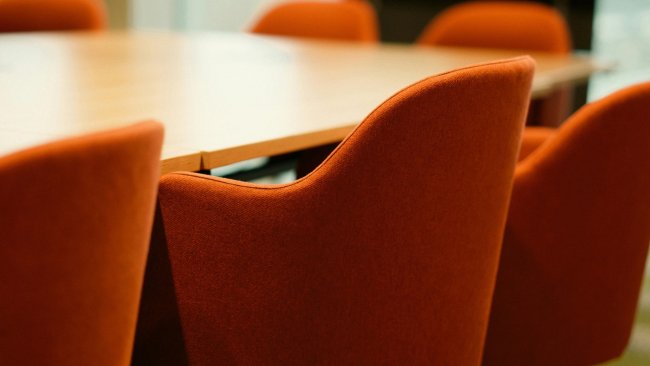
Although choosing meeting-room seating often receives less attention than selecting the table, it is one of the most critical issues in use. An uncomfortable seat can reduce the quality of even the best-planned meeting. Lumbar, neck, and back support are particularly important in long meetings. Ergonomic seating prevents distractions in a business environment. Participants can focus better on the discussion when they sit comfortably. Seat height should match the table so that users can position their hands comfortably. The backrest should support the body’s natural posture. The degree of softness should also be selected correctly, because an excessively soft seat can cause discomfort over time. Models with armrests provide comfort in some spaces but may not suit every table. More compact seating is preferred in small rooms. Models with casters allow easy movement, while fixed-leg options may be chosen for more formal spaces. Material is also important, because nonbreathable upholstery can cause discomfort during long meetings. When choosing seating, consider the duration and frequency of use, not just appearance. High-quality seating increases employees’ physical comfort. Meetings consequently become more productive and less tiring.
Lumbar and back support are important for long meetings
During meetings, people often have to sit in the same position for a long time. For this reason, the chair should provide sufficiently good lumbar and back support. Chairs without support or with hard backrests cause fatigue over time. Ergonomics comes to the forefront particularly because management, strategy, and presentation meetings take a long time. A design that supports the lumbar curve helps maintain the body's natural posture. This results in the participant experiencing less fatigue. As physical comfort increases, so do attention and participation levels. Chairs that look simple but provide proper support are sometimes more beneficial than expensive but uncomfortable models. Models with high backrests can create a more formal appearance. Medium-height backrests, on the other hand, look more suitable in compact rooms. The main concern is maintaining the user's comfort. When choosing a chair, the initial feeling of comfort alone should not be considered sufficient. Its effect on the body during long-term use should also be taken into account. If a trial is possible, testing the chair before making a decision is useful. This helps make a more appropriate and practical choice.
Seat material and construction enhance comfort during use
A chair's upholstery and internal construction directly affect its comfort in everyday use. Leather-upholstered models can create a formal and aesthetically pleasing appearance. However, in some cases, they retain heat and cause discomfort when someone sits for a long time. Fabric upholstery can be more breathable and is considered comfortable for everyday use. Models with mesh backs offer better air circulation, making them particularly advantageous during long meetings. The seat should not be too firm. At the same time, excessively soft models may not provide the necessary stability for the body. The leg structure is also important because a sturdy base provides safety and balance. Models with casters are suitable for flexible use. Models with fixed legs provide an orderly and formal appearance. Quality construction prevents problems such as noise, loosening, and vibration during use. Easy-to-clean materials are more practical in office settings. This feature is particularly important in frequently used rooms. Choosing durable and comfortable materials means long-term savings. As a result, the chair becomes a successful choice in terms of appearance, comfort, and use.
The right balance should be established between aesthetics, technology, and budget
Choosing furniture for a meeting room involves more than just comfort and dimensions. In a modern work environment, aesthetic appeal, technological compatibility, and budget planning are equally important. The company's overall corporate style should also be reflected in the meeting room. When furniture colors, materials, and shapes coordinate with other areas of the office, they create a more professional atmosphere. However, choosing only expensive and visually appealing furniture is not the right approach. A suitable table and seating arrangement is essential for using technological equipment. Cable outlets, electrical connections, and screen visibility should be considered in advance. In today's world, where video conferences are becoming more frequent, camera angles and seating arrangements play a particularly important role. Budget planning should take a long-term perspective. Inexpensive but poor-quality furniture may need replacing within a short time, increasing the overall cost. On the other hand, an excessively high budget is not always necessary either. The key is to find the right balance between price and performance. Furniture choices should be evaluated in terms of aesthetic appeal, functionality, and durability together. When this balance is maintained, the meeting room becomes an ideal space for both users and visitors. As a result, the company provides a more organized, modern, and thoughtfully designed work environment.
Technology requirements must be planned in advance
Modern meeting rooms consist of more than just tables and chairs. These spaces are often used with screens, projectors, videoconferencing systems, and power connections. Therefore, when choosing a table, it is important to have suitable cable management solutions. Exposed cables both spoil the appearance and make use more difficult. Proximity to electrical outlets is important for the convenient use of laptops and other devices. Dedicated cable access covers or built-in cable channels in the table offer a major advantage. The seating arrangement should also be compatible with the technology. Every participant should be able to see the screen comfortably. For videoconferencing, consideration should also be given to whether seated participants appear at the correct angle in front of the camera. A table that is too large or too small can cause problems when using technology. The room should not be overcrowded if the sound system is to work properly. Planning every detail in advance prevents technical interruptions during meetings. This allows meetings to be conducted more professionally. Choosing furniture suited to technology is no longer an additional advantage but a basic necessity. This issue becomes even more important with a hybrid work model.
Quality must not be sacrificed entirely when choosing within a budget
Budget is one of the main factors considered in every furniture choice. However, choosing the cheapest option does not always mean saving money. Low-quality tables and chairs can wear out quickly, cause discomfort, and soon need replacing. This makes a decision that initially seems economical more expensive later on. Budget planning should therefore take a long-term rather than a short-term approach. The most expensive product is not always the most suitable choice either. The main objective is to find a high-quality, reasonably priced solution that meets the need. When comparing options, consideration should be given not only to price but also to material quality and warranty terms. Frequency of use is very important here. It makes sense to invest in more durable furniture for a meeting room used every day. For rooms used less frequently, simpler but still comfortable options can be chosen. Modular and multifunctional solutions within the budget can sometimes be more advantageous. These types of choices make it easier to reconfigure the space in the future. A well-considered budget policy both optimizes costs and maintains the quality of use. This makes it possible to establish a healthy balance between quality and price.