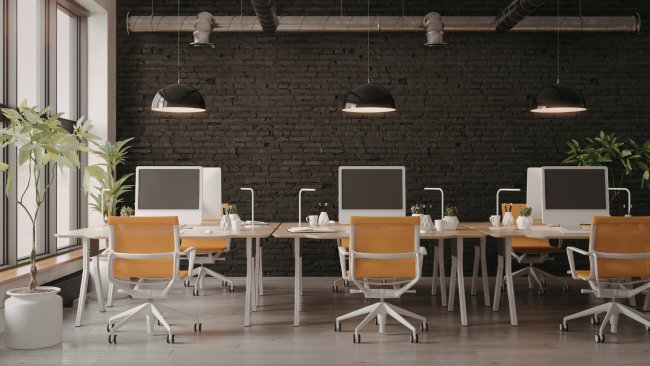
For startups, choosing office furniture is not simply an interior design matter but also part of the business strategy. Since newly established companies usually operate on a limited budget, every expense should be carefully planned. Among these expenses, office furniture is an area with both a visible and a long-term impact. Properly selected furniture directly affects employee productivity, comfort, and team spirit. A poor choice, however, leads to additional spending on equipment that quickly breaks down, is uncomfortable, and needs frequent replacement. Flexibility is one of the most important factors in a startup environment, and furniture should support that flexibility. As the team grows, the office layout may change, so fixed and bulky solutions are not always cost-effective. Choosing within a budget does not mean buying everything that looks cheap. The main objective is to find a balance between price, quality, and functionality. The first step toward this is to identify needs precisely. Since every startup has a different business model, furniture selection should not follow the same approach for all of them. For example, ergonomic chairs may be a priority for a team that spends most of its time working at computers. Startups with frequent client meetings, meanwhile, should pay more attention to the visitor area and meeting furniture. The office's aesthetic appearance also affects the brand image. Simple, tidy, and thoughtfully selected furniture becomes particularly important in spaces where meetings with investors and partners are held. When making budget-friendly choices, it is necessary to consider not only today's needs but also the requirements that will arise in the near future. This approach prevents additional purchases later and helps with more rational decision-making. In some cases, second-hand, modular, and multifunctional furniture becomes an ideal solution for startups. What matters is evaluating the benefits each product provides rather than just its price. In this article, we will look at the main principles and practical approaches to choosing budget-friendly furniture for startup offices.
Identify needs and priorities correctly
Before buying furniture, it is important to clarify the office’s basic needs. At this stage, the first question should be “What do we need?” rather than “What do we like?” If the startup team is small, separate furniture for every area may not be necessary initially. Employee desks, comfortable chairs, and basic storage solutions are often sufficient to begin with. If the team works in a hybrid model, flexible workstations can be considered instead of buying a separate desk for every employee. Setting priorities makes cost management easier. For example, allocating more of the budget to a chair used for eight hours a day is more sensible than spending it on a rarely used decorative element. The most frequently used office areas should also be analyzed. In growing startups, desk dimensions, proximity to electrical outlets, and freedom of movement should be considered so employees can work comfortably. Unnecessary furniture purchases crowd the office and create extra costs. Every product should therefore have a specific purpose. Once a needs list has been prepared, grouping products as “essential,” “useful,” and “to be purchased later” makes the process easier. This approach prevents emotional purchasing decisions. The startup can consequently direct its limited budget toward the most important areas. Such a planned start both reduces the financial burden and helps build a more effective office.
Focus on long-term value, not price
Buying the cheapest furniture is not always the most cost-effective choice. Sometimes low-priced products break down quickly and lead to further expenses. For startups, the key consideration is not a one-time inexpensive purchase, but long-term value in use. For this reason, material quality and the sturdiness of construction should be checked carefully. Durability is a key criterion, especially for furniture used daily, such as office chairs, desks, and cabinets. A product costing slightly more may mean that it will last longer. This reduces the overall cost over time. It is also useful to check the product's warranty period with every purchase. Sellers who offer warranties usually have greater confidence in their product quality. The availability of servicing and spare parts is also an important factor. This is because replacing an entire piece of furniture due to a minor fault can be harmful to the budget. When purchasing, startups should compare not only the initial price, but also the service life and repair options. A long-term value approach makes it possible to invest more wisely. This approach both maintains financial discipline and creates a more stable work environment in the office. As a result, the furniture selected needs replacing less often and provides greater benefit.
Prioritize modular and multifunctional solutions
Since changes happen quickly in startup offices, flexible furniture solutions are more useful. Modular furniture is one of the most suitable choices in this respect. Such products can easily be reconfigured to suit the office size, team size, and working style. This reduces the need to purchase entirely new furniture in the near future. Multifunctional furniture also offers budget advantages. For example, both a desk with storage and a folding meeting table meet two needs in a single product. These solutions are particularly beneficial in small offices. Saving space means saving money for startups. When office space is limited, choosing the right furniture can also delay the need to rent an additional room. Modular chairs, cabinets on wheels, and desks that can be joined together allow a team to work more flexibly. In project-based teams, these mobile solutions increase collaboration. At the same time, such furniture is easier to disassemble and reassemble during a move. If a startup is likely to change offices frequently, this feature is a significant advantage. A multifunctional approach not only reduces costs but also creates a tidy and practical appearance in the office. For this reason, when choosing budget-friendly furniture, it is more advisable to consider flexible models rather than fixed, heavy, single-purpose products. Well-chosen modular furniture can adapt to a startup's pace of growth.
Explore alternative purchasing options to protect your budget
Buying new furniture is not the only option. For startups, the second-hand furniture market often offers cost-effective opportunities. Used desks, chairs, and cabinets in good condition can be purchased at lower prices. In particular, furniture from offices that are closing or companies that are refurbishing is often of good quality. When making such purchases, it is necessary to carefully check the product's technical condition and level of wear. It would not be right to be swayed by price alone. Sometimes, simple and functional furniture commissioned from local craftspeople also costs less than ready-made branded products. In addition, wholesale and package purchase discounts should be considered. Buying several products from the same seller often brings additional discounts. Furniture rental solutions may also be suitable for startups in some cases. This option reduces risks, particularly for short-term office use or teams in a testing phase. Purchasing furniture in stages is also a sound strategy. In other words, rather than furnishing the entire office at once, meeting essential needs at the first stage is a more sensible decision. Additional furniture is purchased later as the team grows and the budget increases. This method both reduces financial pressure and allows for more carefully considered choices.
Maintain a balance between aesthetics and functionality
Appearance matters when choosing office furniture, but it should not come before functionality. Startups generally want to create a modern, creative-looking office. This is understandable, because the office environment affects both team motivation and visitors’ impressions. However, choosing uncomfortable, poor-quality furniture simply because it looks attractive is not the right approach. Aesthetic choices gain value when they support comfort at work. For example, comfortable furniture with simple designs and neutral colors looks professional and remains relevant for a long time. Highly specific trend-driven designs can quickly look outdated. A minimalist approach is often the most successful solution for budget-friendly choices. A small amount of functional furniture chosen in a coordinated style can make the office look more premium. This approach also prevents clutter. Choosing furniture with coordinated colors, materials, and shapes creates overall visual cohesion. It makes it possible to establish a tidy, professional atmosphere without a large budget. Small details that match the startup’s brand identity can make the space more distinctive. However, the foundation should always be comfort, ease of use, and durability. The office then both looks good and genuinely supports the team’s everyday work.