Furniture selection in education centers is not simply a matter of decoration. Properly chosen furniture directly affects teaching quality. A comfortable, functional environment simplifies daily activities for both teachers and students. Its role is particularly evident in course centers, language schools, and preparation centers. Long lessons take place throughout the day in these settings. Desks, chairs, and other equipment should therefore be both comfortable and durable. Aesthetically appropriate furniture strengthens the center’s overall image. Parents and students place greater trust in spaces that look tidy, organized, and professional. Modern educational approaches prioritize flexible, multifunctional interiors. Classrooms with fixed arrangements alone are no longer sufficient. Furniture solutions that adapt to different lesson formats are increasingly needed. Spatial flexibility matters for activities such as individual lessons, group work, seminars, and presentations. Age group, room dimensions, and intensity of use should be considered in selection. Furniture for children cannot be the same as furniture for adults. Safety, material quality, and ease of cleaning are also key criteria. Properly planned furniture solutions allow more efficient use of space. This increases convenience and prevents additional costs. Every piece selected for an education center should be viewed as part of the overall system. Well-chosen furniture provides both professional appearance and ease of use. In this article, we will examine the most suitable furniture solutions for education centers in detail.
Choosing functional furniture for classrooms
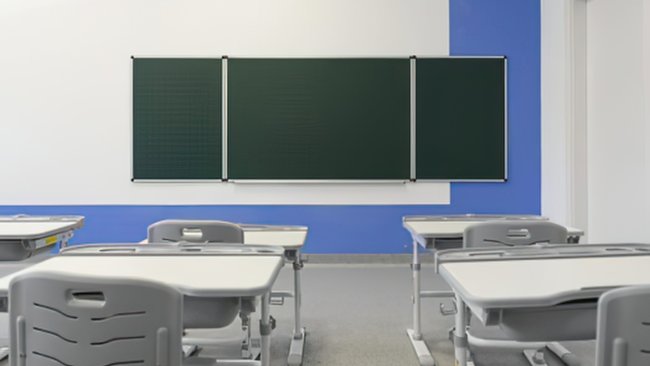
The classroom is the main and most frequently used part of an educational center. Therefore, the furniture used here should be both comfortable and durable. Student desks should be selected according to the age group and teaching format. Chairs that do not cause discomfort during prolonged use are considered more suitable. Seats with ergonomic lumbar support help students maintain their attention better. Single-person desks can be useful for individual lessons. For group assignments, desks that can be joined together or two-person desks are a more functional choice. Chairs and desks on wheels allow the classroom layout to be changed quickly. The layout should be properly planned so that the board is visible and the teacher can move around comfortably. Passageways within the classroom should not be narrow. The choice of materials should be suitable for daily use. Easy-to-clean, scratch-resistant surfaces provide a practical advantage. Color selection also influences the classroom's overall atmosphere. Light and soft tones can make the space look more spacious and calm. Well-chosen classroom furniture improves order and makes the teaching process more effective.
Furniture solutions for reception zones and waiting areas
The reception area is the first part of an education center that visitors see. For this reason, the furniture selected for it should be planned with particular care. The reception desk should look professional both functionally and visually. Staff must be able to arrange their computers, documents, and registration materials comfortably. The waiting area should have comfortable seating for parents and guests. Upholstered armchairs or comfortable benches are suitable choices for this area. Small coffee tables are useful for displaying brochures and information materials. Oversized furniture can make the space look smaller than it is. Minimalist, tidy solutions create a more modern impression. Colors can be coordinated with the center’s corporate style. Additional storage compartments in the reception desk make work easier. Materials selected for the waiting area should resist dirt and be easy to clean. Choosing furniture that works with the lighting enhances the overall atmosphere. Tidiness is as important as comfort in this area. A well-planned reception and waiting area strengthens the center’s reliable, professional image.
Flexible furniture models for multifunctional spaces
In modern education centers, one room is often used for several different purposes. A space that serves as a classroom in the morning may become a seminar hall in the afternoon. In some cases, the same space is used for a presentation, meeting, or examination. Flexible furniture models are therefore considered an important choice for modern educational institutions. Folding tables can be put away easily after use. Stackable chairs save additional space and make storage convenient. Furniture on wheels allows the arrangement to be changed quickly. Modular systems offer advantages in adapting to different teaching formats. U-shaped, row-based, or circular arrangements can be created with the same furniture. This allows the space to be used more productively. These solutions are particularly suitable for seminars, workshops, and teamwork. Flexible furniture helps save both time and space. Moving between different event formats becomes faster and easier. Furniture that is easy to store is more suitable for small spaces. Flexible furniture models are considered a functional, long-term choice for growth-oriented education centers.
The advantage of flexible use in small spaces
Proper space management is particularly important in small education centers. Flexible furniture solutions play an important role in making efficient use of every square meter. Fixed, bulky furniture can make it harder to move around comfortably in small rooms. Compact, folding, and easily movable models are therefore considered more suitable. In small classrooms, a multifunctional table or chair offers an additional advantage. For example, a folding table can be used during lessons and put away once the work is finished. This approach makes it possible to use the room for several purposes on the same day. It is particularly useful for language courses, exam preparation groups, and rooms for individual lessons. Furniture with casters allows the layout to be changed quickly. This makes the transition from individual lessons to group work much easier. Storage space is also limited in small spaces. Furniture that can be folded away and stacked is therefore considered more practical. Visually lightweight furniture models make the room look more spacious. Light-colored products with simple designs enhance this effect. Thus, flexible furniture provides both comfort and efficiency in small educational spaces.
Adapting to Event and Training Formats
Many educational centers offer more than just daily classes. Seminars, presentations, mock exams, and teacher meetings may also be held in the same space. This variety makes a flexible approach to furniture selection essential. If the furniture is designed only for a traditional classroom layout, switching to other formats can become difficult. Modular, easy-to-move furniture systems, however, make this process considerably simpler. For example, creating a circular or U-shaped layout for a seminar is easier with adaptable tables. During a presentation, chairs can easily be directed toward the stage or board. Table combinations can be changed to allow participants to work in teams during training sessions. This brings dynamism and convenience to the teaching process. Flexible furniture also reduces transition time between events. Staff can adapt the space to a new format without additional physical effort. Such solutions both save time and reduce operating costs. Using the same space for different purposes also improves business efficiency. This approach is a major advantage, particularly for growing educational centers that offer numerous programs. As a result, selecting furniture that can adapt to the event and training format strengthens the center's flexibility and professionalism.
Material, safety, and durability factors
Focusing only on appearance is not enough when choosing furniture for an education center. Material quality plays a key role in the furniture’s long-term use. Durable surfaces and strong construction are important in spaces used intensively every day. Models with metal frames and high-quality MDF are considered more reliable choices. Laminate surfaces are more resistant to stains and scratches. Safety is particularly important in spaces used by children. Furniture with softened corners and a stable stance reduces the risk of accidents. Tables and chairs with nonslip feet are considered safer. Easy-to-clean materials should be favored for fabric-upholstered furniture. Ease of cleaning also matters for hygiene. High-quality hardware and connecting parts extend furniture lifespan. Products made from inexpensive but weak materials may lead to additional costs later. Furniture should therefore be selected based on long-term benefit rather than initial price. Certified products with warranties are considered a more reliable approach. Considering material, safety, and durability together makes it possible to choose a better furniture solution.
Prioritizing safety for children’s groups
Safety should be the first priority in education centers that work with children. Furniture selection for younger age groups should differ from selection for adults. Because children are more active, furniture construction should be stable and safe. Tables and cabinets with sharp corners increase the risk of injury. Models with rounded edges are therefore more appropriate. Chairs should suit the child’s height so that sitting does not place extra strain on the body. Table height should also suit the age group. A table that is too high or too low can compromise a child’s comfort. The material must be nontoxic and safe for health. The quality of paint and surface coatings plays a special role here. Nonslip feet and strong joints reduce the risk of furniture tipping. Furniture used by children should be easy to clean, because these spaces frequently become dirty. Bright colors that do not strain the eyes can increase children’s attention and interest. Safe, comfortable furniture supports both learning and freedom of movement. Safety should therefore always be the priority when choosing furniture for groups of children.
Material selection for long-term use
Furniture in education centers is used intensively every day. Material selection should therefore be made with a long-term rather than a short-term outlook. Furniture that initially seems inexpensive may sometimes fail quickly. This increases later repair or replacement costs. Chairs and tables with strong metal frames last longer. High-quality wood and MDF-based materials also produce good results when used properly. Laminate-covered surfaces do not wear out quickly and are easier to clean. Because moisture, dust, and daily contact affect furniture surfaces, material durability is important. The quality of casters and other mechanisms in movable furniture also requires particular attention, because these are usually the parts that wear the most. Furniture used in an education center should not only look attractive but also retain its function for a long time. Furniture made from durable materials helps reduce overall costs. This approach is advantageous both financially and operationally. Choosing long-lasting materials also demonstrates the institution’s professional approach. Investing in high-quality materials is therefore a smarter, more sustainable decision for an education center.