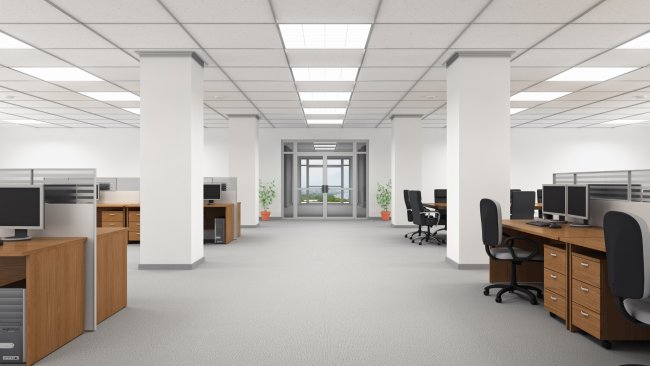
Office furniture is not merely a technical choice of desks, chairs, and cabinets. It is an important element complementing the company’s visual identity, working culture, and first impression on customers. The brand book serves as the main roadmap for ensuring this alignment. The company’s colors, forms, style, tone, and overall aesthetic direction should also be felt in the office. If the brand book calls for a minimalist, calm, premium appearance, furniture choices should follow that direction. If the brand is more dynamic, creative, and energetic, the furniture should support that character. Mismatched furniture can weaken the brand’s visual cohesion. A luxury service company using cheap, random-looking office furniture, for example, can undermine its reliability. A technological, innovative brand using overly classic, heavy furniture can also confuse its message. Office design aims not merely to create an attractive appearance. Its main purpose is to turn brand values into an everyday workplace. Employees then feel the company’s identity more clearly. Customers and partners gain a clearer understanding of the brand from the moment they enter. Choosing furniture according to the brand book requires both an aesthetic and a strategic approach. The palette, materials, form language, comfort, and functionality should be considered together. Furniture is not merely decorative; it is the company’s physical communication tool. Properly chosen furniture strengthens brand professionalism. Poorly chosen furniture can weaken even the best-developed visual identity. Price and comfort alone are therefore not enough when purchasing office furniture. For the best result, every choice should align with the brand book’s visual and emotional principles.
The brand book as a key guide for choosing office furniture
The first step in aligning office furniture with the brand book is to understand the brand identity correctly. The brand book should not be regarded simply as a document consisting of a logo and color codes. It explains how the company should look, how it should feel, and what impression it should create in people. Furniture selection should also become part of that impression. If simplicity is identified as a core principle in the brand book, overly ornate furniture should be avoided. If the brand is built on reliability and stability, sturdier, more serious, and balanced forms should be chosen. If the brand appeals to a young and creative audience, more flexible, colorful, and unconventional furniture solutions may be appropriate. This approach connects the office's overall atmosphere with the brand's character. The visual codes in the brand book should translate into specific decisions when selecting furniture. The color palette should be taken into account in desk surfaces, seating, partition panels, and decorative details. Even typography and graphic style can indirectly influence the choice of shapes. For example, a visual identity based on sharp lines should be complemented by straighter, more geometric furniture. A soft and humanistic brand language, on the other hand, looks better with rounded edges, warm materials, and comfortable textures. The aim here is not to place the logo everywhere, but to convey the brand's spirit within the space. In this way, office furniture works as an extension of the brand book.
Coordination of colors, materials, and shapes
Brand colors should be used intelligently and in a balanced way in the office. Painting every piece of furniture in the primary brand color may not create a professional appearance. The space looks more tasteful when the main colors are used primarily as accents. Neutral tones may be a more suitable choice for desks, cabinets, and large surfaces. The primary brand color can be used in chair upholstery, acoustic panels, the waiting area, and decorative details. This approach both maintains brand recognition and prevents visual fatigue. Employees' daily comfort should also be considered when choosing colors. Very bright colors can be distracting during long working hours. The choice of materials directly reflects the brand's market positioning. Natural wood, metal, leather, and high-quality textiles may be more appropriate for premium brands. For technology companies, glass, matte metal, modular systems, and clean surfaces create a more contemporary impression. Brands that emphasize environmental values should prioritize recyclable materials and natural textures. The design language of the furniture's shapes should also match the brand's character. Symmetrical, straight, and stable forms appear more convincing in corporate and serious companies. In creative agencies, adaptable, modular, and unconventional furniture forms enhance the brand's energy.
Functionality and brand experience
Alignment with the brand book should not be limited to visual aspects alone. Office furniture should also support the company's work processes and team behavior. If the brand is built on collaboration, openness, and flexibility, open work areas and modular desks are more appropriate. If the company operates in a field that requires confidentiality and individual focus, acoustic booths, individual desks, and enclosed storage systems may be more suitable. When furniture does not meet employees' daily needs, the brand experience is weakened. This is because the brand should be experienced not only by customers but also by employees. Comfortable and functional furniture has a positive effect on employee motivation. This also strengthens the brand's internal culture. Visitors to the office experience the brand first and foremost through the space. The reception desk, waiting area, and meeting rooms are particularly important in this respect. The furniture used in these areas should demonstrate the company's professionalism and level of service. For example, financial and legal firms should prioritize a more serious, orderly, and trustworthy appearance. In design, media, and technology, more open, creative, and contemporary furniture solutions can be chosen. Subtle use of brand colors in the visitor area creates a memorable impression. The key principle is that the space should visually affirm the company's promise.
Long-term compatibility and implementation strategy
Internal standards should be developed in advance to align office furniture with the brand book. These standards should specify colors, materials, principles of form, and the furniture categories to be used. This approach makes decisions easier when a new office is opened or additional furniture is purchased. If every purchase is random, visual clutter develops in the office over time. Furniture standards help present the brand consistently across all spaces. This is particularly important for companies with branches, sales offices, and representative offices. Standardization does not limit creativity; instead, it makes it more systematic. The company consequently remains both flexible and visually consistent. The budget should also be planned realistically when choosing office furniture to match the brand book. The most expensive furniture is not always the right choice. What matters is that the furniture suits the brand’s character, its intended use, and long-term durability requirements. In some cases, it makes more sense to direct the main investment toward visible areas such as reception, meeting rooms, and the executive office. Ergonomic, simple, durable solutions can be chosen for employee areas. Poor-quality furniture wears out quickly and can harm the brand image. The right strategy balances aesthetics, comfort, budget, and brand alignment.