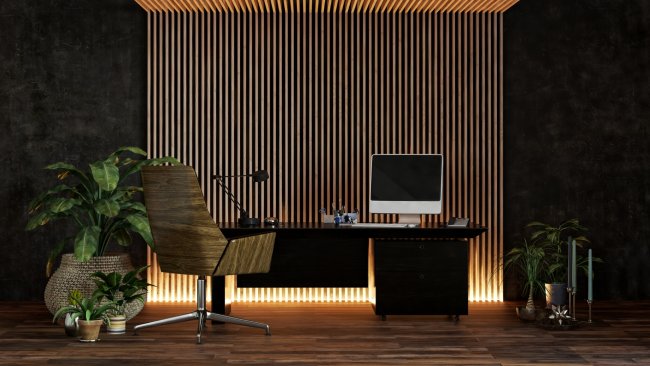
An office interior is one of the most powerful visual tools for expressing a company's character without words. First impressions are often formed in the reception area, through the arrangement of work desks, and through the overall atmosphere of the space. A premium look is not created simply by buying expensive furniture. What matters most is that the selected details are applied in a coordinated, balanced, and purposeful way. The tidier, more functional, and more aesthetically pleasing an office looks, the greater the trust in the brand. When clients and partners enter the space, they initially assess the company's professionalism with their eyes. A tastefully designed office environment also directly affects team members' motivation and productivity. The concept of a premium office means comfort, quality, technology, and visual balance working together. Every detail has its own role in creating this look. From wall colors to lighting, and from furniture choices to decorative accessories, every element shapes the overall effect. The best results are achieved in spaces where simplicity and elegance are properly combined. Overly decorated offices often feel tiring and cluttered. Minimal, clean, and high-quality choices, on the other hand, have a more timeless and professional appearance. To create a premium look, it is important for the office to be comfortable both visually and in practical use. A space that looks beautiful but is not practical can soon become uncomfortable for employees. For this reason, design decisions should be based not only on aesthetics but also on everyday use scenarios. Even small changes can significantly enhance the office's overall sense of value. Proper lighting, a quality desk, a tidy cable management system, and thoughtful decor are the key components of a premium atmosphere. The main goal is to create a sense of quality in the space rather than a sense of expense. The following 7 details are the most effective ways to achieve a more premium, modern, and confidence-inspiring office appearance.
1. High-quality and balanced lighting
One of the most important elements of a premium office look is proper lighting. Light can make a space's dimensions, colors, and materials appear more valuable than they actually are. Relying solely on harsh white overhead lighting can make an office feel cold and tiring. Instead, combining ambient, task, and decorative lighting produces a more refined result. Light sources that do not strain the eyes and improve focus should be chosen for desks. In the reception area, warmer and softer lighting enhances the premium atmosphere. Concealed lighting around wall panels, shelves, and the logo adds depth to the space. When positioned correctly, linear LED lights make the office look more modern and technologically advanced. The color temperature of the light also has a significant effect on the overall impression. Although very cool lighting creates a formal impression, excessively warm lighting can create a sense of passivity in the work environment. For this reason, balanced tones close to natural daylight are a better choice. Natural light from windows should be used to the fullest extent possible. Instead of heavy, dark curtains, lightweight, neat systems that control the light can be chosen. A well-lit office looks more spacious, clean, and professional. When lighting is properly arranged, the impact of all other design details is also felt more strongly.
2. Choosing Minimalist and Functional Furniture
To create a premium look in the office, furniture choices should be both aesthetic and functional. Large, heavy furniture that overwhelms the space is no longer favored in the modern office concept. Simple furniture with finer lines, made from quality materials, creates a premium impression. The design of desks and chairs should match the overall interior style. Using too many different colors and shapes in the same space can create visual clutter. For this reason, a consistent style and color harmony should be maintained when selecting furniture. Ergonomic chairs are important not only for comfort but also for demonstrating the value the company places on its employees. A premium office does not separate comfort from beauty. Work desks should be sufficiently spacious without being unnecessarily large. Storage cabinets, shelves, and auxiliary units should help maintain order. Documents, boxes, and personal belongings left out in the open weaken the office's overall premium feel. The restrained use of materials such as wood, metal, matte surfaces, and quality fabric in furniture creates a more serious appearance. It is more appropriate to avoid glossy surfaces that look cheap. The sofas and armchairs selected for the reception area form the company's first visual message. The simpler, more comfortable, and higher-quality the furniture looks, the stronger the office's premium impression becomes.
3. Tidy cable and technology management
In a premium office, technology should be felt rather than seen. Cable clutter can make even the most beautiful design look cheap and disorganized. Wires hanging beneath desks, numerous extension leads, and tangled power cables weaken the office's professional appearance. Cable channels, built-in desk outlets, and concealed power systems should be used to solve this problem. Screens, projectors, microphones, and power connections in meeting rooms should be planned in advance. Centralized, concealed solutions look more premium than separate visible cables for each device. Using wireless technologies also enhances the office's clean appearance. Printers, modems, and technical equipment should be placed in dedicated cabinets or back areas wherever possible. Only devices essential for daily use should be visible on work desks. Monitor arms both free up desk space and create a more modern visual effect. Charging stations and integrated sockets provide convenience for employees and visitors. Properly positioning technology creates a sense of order, comfort, and innovation in the office. In premium spaces, technical solutions are not incidental, but are conceived as part of the design. This approach offers significant advantages in terms of both aesthetics and daily workflow. Although cable and technology management may seem like a minor detail, it substantially changes the office's overall sense of quality.
4. Harmony between wall colors and materials
Office walls are among the main surfaces defining the space’s character. Calm, balanced, enduring tones should be favored for a premium appearance. Colors such as white, beige, light gray, sand, olive, and dark anthracite can create a serious, refined atmosphere. Very bright, aggressive colors may attract attention briefly but become tiring over long-term use. Coordinating the color palette with the brand identity makes the office more cohesive. Using different materials on walls, not just paint, also enhances the premium impression. Wood panels, decorative stone, textured paint, and acoustic panels add depth and a sense of quality. Too much of these materials can look heavy, so balance is important. Creating one main accent wall is often more effective than changing the entire space. High-quality materials behind the logo in reception strengthen the company’s image. Calmer colors that improve concentration should be selected in meeting rooms. Light tones make work areas look more spacious and comfortable. Brand-aligned visual elements should be used for wall decoration instead of random posters. Material texture, color, and interaction with light should be considered together. The right harmony of colors and materials gives the office both a high-value and a professional appearance.
5. Details that elegantly express brand identity
A premium office should convey its brand subtly rather than loudly. Repeating the logo on every wall can make the space feel tiring rather than professional. A better approach is to incorporate the brand's colors, shapes, and message into the interior through subtle details. A logo made from high-quality material behind the reception desk creates a strong first impression. Brand colors can be used in decorative cushions, wall graphics, small accessories, and wayfinding elements. When this use is restrained, the space looks more premium and thoughtfully designed. Short statements reflecting the company's values can also be displayed aesthetically on the walls. However, an excessive number of motivational phrases can make the office look visually cluttered. A brand-appropriate scent, music, and welcome experience are also part of the overall premium feel. When clients enter the office, they should remember not just the design, but the entire atmosphere. Business cards, presentation folders, desktop nameplates, and other printed materials should also harmonize with the interior. The content displayed on digital screens should complement the brand's professional style. Together, all these details help the company appear more stable, serious, and trustworthy. A premium brand presentation is built on simplicity, consistency, and quality. The more subtly brand identity is integrated into the office, the more memorable and convincing the space becomes.
6. A vibrant atmosphere with plants and natural elements
A premium office should not only look tidy and expensive; it should also feel alive. Plants are among the most effective and accessible details for creating this vitality. Green elements bring a natural feel, comfort, and visual balance to the space. Well-chosen large potted plants can make empty office corners look more elegant. Small desktop plants add a gentle, positive atmosphere to work areas. However, the number, size, and placement of plants should be planned carefully. Different pots on every desk and randomly chosen plants can weaken the premium appearance. Pots in a consistent style and suitable plant varieties produce a tidier result. Natural wooden surfaces, stone textures, and materials such as linen also soften the office atmosphere. These elements bring warmth to a technological, formal environment. A large, healthy, well-maintained plant in the reception area can immediately give the space a more valuable appearance. Neglected, yellowing, dusty plants have the opposite effect. In a premium office, natural elements are not merely decoration but a complementary part of the overall atmosphere. Green areas help reduce employees’ stress and make the space feel more comfortable. When natural details are used properly, the office looks both modern and people-centered.
7. Managing scent, sound, and the overall atmosphere
A premium appearance is not made up only of visible details. The smell, sound, and overall comfort of a space also determine the quality of the office. Within the first seconds of entering, a person notices the freshness of the air and comfort of the atmosphere. Heavy, harsh, artificial odors can cause discomfort rather than create a premium impression. Light, clean, neutral scents make the space more pleasant. A fragrance selected for the reception area can become a memorable element of the company’s image. Sound management is also very important in a premium office. Constant noise in open-plan offices reduces employee focus and makes the space seem chaotic. Acoustic panels, carpets, upholstered furniture, and dividers help sound spread more comfortably. Sound insulation in meeting rooms is particularly important for professional discussions. If music is used, its volume and genre should suit the office’s character. Excessively loud music and complete silence can sometimes be equally uncomfortable. Air quality, temperature, and ventilation are also integral to the premium experience. People perceive greater value in a space where they can breathe comfortably, are not fatigued by noise, and experience a pleasant atmosphere. When managed properly, these invisible details make the office’s premium impression deeper and more memorable.