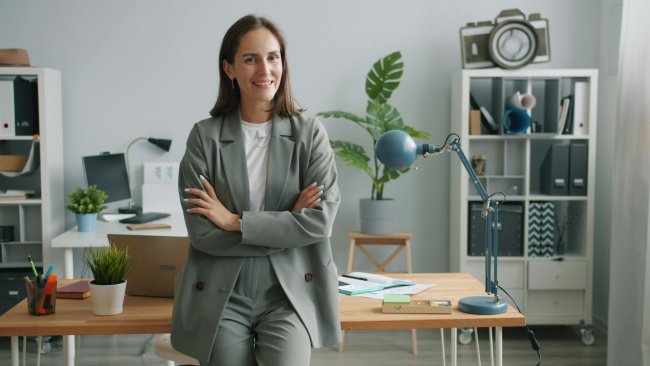
The director's office is one of the spaces that most clearly demonstrates a company's management culture. This room is not only the place where the executive works but also a strategic zone where decisions take shape, meetings are held, and the organization's image is presented. The right balance between status and functionality should therefore be established in the director's office. When status is emphasized excessively, the room may appear cold, unapproachable, and uncomfortable. When functionality takes a back seat, the executive's daily work becomes more difficult and the space loses its practical value. In the modern approach to offices, the director's office should be prestigious, comfortable, and efficient. The furniture, color choices, lighting, and layout used here should complement one another. Along with reflecting the executive's personal taste, the room's design should also express the company's professional standing. When visitors enter this space, their first impression forms within seconds. This impression conveys a message about the company's seriousness, reliability, and level of organization. At the same time, since the director also works long hours in this room, comfort becomes an important factor. A well-designed director's office has a positive effect on decision-making, concentration, and the quality of communication. It is not enough for the space merely to look attractive, because every detail should support the daily workflow. Document storage, the location of the meeting area, and access to technical equipment should be considered in advance. In the director's office, status should be conveyed primarily through quality, order, and understated presentation. Functionality, meanwhile, is ensured through ease of movement, proper zoning, and furniture selection suited to the work process. These two concepts are not rivals; on the contrary, they reinforce one another in a well-designed space. The aim is not to create a luxurious room that is difficult to use. The main objective is to establish a professional environment that maintains the executive's authority while making daily work easier. In this article, we will explain the main principles for maintaining status and functionality in the director's office.
Space planning lays the foundation for status and comfort
Positioning the work area correctly
The first consideration in a director’s office should be proper space planning. Although the desk is the room’s central element, arranging the entire space only around it is not the right approach. It should be positioned so the executive can easily see the door while leaving room to move freely. This arrangement provides psychological comfort and reinforces a sense of status. The passage from the entrance to the desk should be clear and unobstructed. Cluttered passages, tightly packed furniture, and excess objects reduce the prestige of an executive office. In functional planning, the desk, meeting corner, and storage area should be considered separate zones. This division helps the room look tidy and manageable.
Balancing meeting and reception areas
The area designated for visitors in the director's office is particularly important. This area should not look overly formal, but it should still convey the company's professionalism. A small meeting table or comfortable seating group increases the room's functionality. Visitor chairs should not be placed too far from the executive's desk, as a balanced distance is important during communication. At the same time, this zone should not interfere with work at the desk. The room's dimensions should be considered during planning, and the space should not be made to look narrower than it is. A properly planned director's office quietly communicates status and creates a professional atmosphere without disrupting the rhythm of daily work.
Furniture choices should combine prestige with practicality
The role of the executive desk and chair
Furniture selection in a director’s office should serve both visual impact and ease of use. A large, heavy desk does not always signify status, because a desk that does not suit the room’s dimensions can make the space feel tiring. The director’s desk should be made from high-quality material but should not be so large that it complicates work. Its surface should provide enough space for a computer, documents, everyday supplies, and short meetings. The chair should be selected for ergonomic features, not appearance alone. During long working hours, lumbar, neck, and arm support are important for the executive’s productivity. A prestigious chair should not sacrifice comfort. Instead, the best choice combines elegant design with healthy sitting posture.
Storage systems and additional furniture
Storage elements such as cabinets, shelves, and chests of drawers must be considered in the director's office. Leaving documents stacked in the open disrupts the room's tidiness and weakens its professional appearance. Closed storage systems make the space look cleaner and more formal. If open shelves are used, only selected books, awards, and decorative objects should be placed on them. Color and material coordination should be maintained across the furniture set. Pieces that do not match one another can create a haphazard appearance in the room. Properly selected furniture both demonstrates status in the director's office and ensures that every item serves a practical purpose.
The choice of colors, lighting, and materials creates a professional atmosphere
The psychological impact of colors
Color selection in a director’s office should not be random. Colors such as dark wood tones, gray, beige, brown, anthracite, and deep green can create a serious, stable atmosphere. However, overloading the room with very dark colors can make it look heavy and enclosed. A balance should therefore be maintained between the main colors and lighter tones. Light walls make the space look larger and distribute natural light better. Dark accents add depth and a sense of prestige. It is also advisable to use the company’s corporate colors in moderation. This approach connects the room’s design with brand identity.
Harmony between lighting and materials
Lighting enhances both the functional and aesthetic aspects of a director’s office. A single central light is often insufficient because different work scenarios require different lighting levels. Focused light can be used over the desk, soft light in the meeting area, and balanced lighting in the general space. If natural light is available, it should not be completely blocked with heavy curtains. Material selection also plays an important role in conveying status. High-quality wood, metal, leather, glass, and textile elements should be used in suitable proportions. The main principle is not to mix many materials to look expensive, but to create a calm, reliable atmosphere with a small number of high-quality materials.
Technology, organization, and personal details complement functionality
Discreet and convenient management of technical equipment
A modern director's office is unimaginable without technology. A computer, monitor, video call equipment, smart board, and sound system can play an important role in day-to-day management. However, technology should not make the room look cluttered and full of cables. Cable channels, built-in desk outlets, and concealed power points help maintain tidiness. Camera angles, backgrounds, and lighting for video meetings should be considered in advance. This ensures that a professional image is maintained during online meetings as well. Technology should support the workflow, not the appearance. Equipment should be accessible without disrupting the room's overall design.
The balance between personal style and tidiness
Personal details make a director’s office look more lively and individual. A family photograph, a selected artwork, a book collection, or objects reflecting company achievements can give the room character. However, too many personal belongings can make the room lose its professional impact. Size, meaning, and suitability should guide decorative choices. Every detail should support the executive’s taste and the company’s values. Maintaining order is one of the simplest but most effective factors in preserving status. Only everyday items should be kept on the desk. Ultimately, technology, personal style, and order together make a director’s office both functional and prestigious.