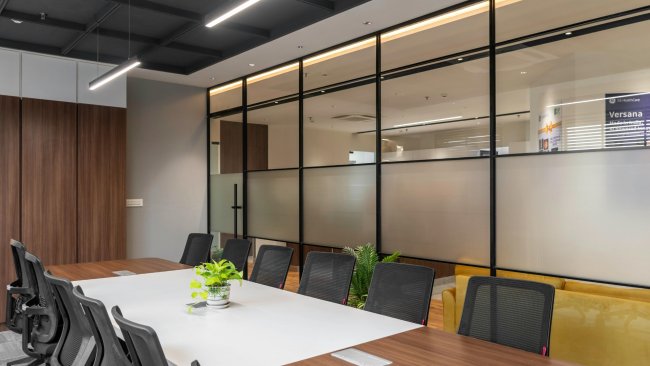
Rising temperatures and increased humidity during summer directly affect office furniture’s appearance and lifespan. Desk, cabinet, chair, and sofa surfaces can wear out faster, particularly in sunny rooms. Humid air can cause wooden materials to swell, crack, and change shape. Heat can weaken glued joints and fade surface finishes. Continuous air-conditioning does not always create ideal furniture conditions either, because sharp temperature changes cause materials to dry out and undergo stress. Summer furniture care should therefore not be limited to cleaning. Room temperature, ventilation, sunlight, and daily usage practices should be considered together. Wood, MDF, metal, leather, and fabric furniture each react differently to heat and moisture. Applying the same care method to every item may therefore not produce the right result. Desks placed too close to windows can quickly discolor. Moisture in upholstered furniture increases the risk of odors, stains, and mold. Poor air circulation behind document cabinets can also create hidden problems. Maintaining suitable office humidity is important for both furniture and employee comfort. Placing furniture some distance from walls helps air circulate freely. Regular cleaning prevents dust from collecting moisture on surfaces and damaging protective layers. Choosing the right cleaners preserves material color and texture for a long time. Small preventive measures can reduce major later repair and replacement costs. A simple summer care plan helps office furniture look tidier and more professional. In this article, we will explain in detail how different office furniture should be protected in hot, humid weather.
How can you protect wooden office furniture in summer?
Wooden office furniture is among the products requiring special attention in hot, humid weather. Because natural wood absorbs moisture from the air, its dimensions can change slightly. Desks and cabinets are better positioned away from direct sunlight. Blinds, curtains, or sun-protective coverings are useful for furniture near windows. Wiping wooden surfaces with an excessively wet cloth can cause the material to absorb moisture. A soft, well-wrung cloth should be used, and the surface dried immediately. Strong chemicals can weaken the varnish and alter the wood’s natural color. A special furniture cleaner appropriate for the material provides safer, more lasting results. Coasters beneath glasses and cups prevent water rings. Placing hot items directly on a desk can leave marks and discolor the finish. Leaving a few centimeters between furniture and the wall improves air circulation behind it. If cracks, swelling, or separating edges appear, the area should be inspected promptly. Protective waxes or polishes should be applied only according to the manufacturer’s recommendations. Wooden furniture legs should not remain in contact with damp flooring for long periods. Proper placement and gentle care therefore help wooden office furniture retain its shape throughout the summer.
Proper care guidelines for MDF and laminate furniture
MDF and laminate furniture are widely used in offices because they are practical and affordable. Although these materials have a different structure from natural wood, they are not completely resistant to moisture. In particular, surfaces with damaged edge banding can absorb water more quickly. When water is spilled, the liquid should be wiped up immediately and should not be allowed to dry on the surface. Placing MDF furniture tightly against a damp wall can cause the material to swell from the back. After washing the floor, water should not be left around furniture legs. Laminate surfaces should be cleaned with a soft microfiber cloth and a pH-neutral cleaning product. Hard sponges and abrasive powders can scratch the surface and weaken the protective layer. Direct sunlight can fade the laminate's color and create differences in tone on the surface. Using a protective mat on the desk reduces both heat marks and liquid stains. Unevenly placing very heavy items on shelves can accelerate the bending of material weakened by moisture. Cabinet door hinges should be checked for loosening and friction during the summer months. If swelling appears along an edge, no additional water or cleaner should be applied to the area. If humidity in the office is high, using a dehumidifier can help protect the furniture. Regular monitoring prevents minor damage to MDF and laminate furniture from becoming more extensive.
Preventing leather chairs and sofas from drying out
Although leather chairs and sofas give an office a serious appearance, they can be sensitive to summer heat. Direct sunlight can fade leather and leave its surface excessively dry. Leather furniture is better placed away from windows and strong heat sources. Cold air from an air conditioner continually hitting the same spot can also dry the leather. Surface dust should be removed weekly with a soft, dry cloth. Liquids on leather upholstery should be blotted immediately without forceful rubbing. Products containing alcohol or bleach should not be used because they damage the protective layer. Leather cleaning products should first be tested on a small, inconspicuous area. A suitable moisturizing care product can be applied at intervals to preserve flexibility. Excessive use of care products can leave an oily appearance and encourage dust accumulation. In hot weather, contact with body sweat can soil leather upholstery more quickly. Armrests and headrests on heavily used chairs should therefore be wiped more frequently. Seams and folded areas should be inspected for signs of cracking. Maintaining moderate office humidity prevents both drying and mold growth. Regular care appropriate for the material preserves leather furniture’s softness and professional appearance.
Protecting fabric-upholstered furniture from moisture and odors
Fabric-upholstered chairs and sofas can collect dust, odors, and moisture more quickly in humid weather. Placing them in poorly ventilated corners slows drying. Leaving space between the sofa and wall allows air to circulate behind the upholstery. The office should be ventilated for a certain period every day to replace stagnant air. Fabric surfaces should be cleaned regularly with a vacuum cleaner fitted with a suitable attachment. Dust left for a long time can combine with airborne moisture and create a strong odor on the surface. When liquid is spilled, gently press with a clean, absorbent cloth without spreading the stain. Immediately sitting on or covering a wet area delays drying. Strong cleaners not intended for fabric can cause fading and stiffen the fibers. After deep cleaning, the furniture should not be used until completely dry. If the cushions are removable, the areas beneath them should also be aired regularly. Using air freshener alone does not solve a musty smell. The source of moisture should be found and the layers beneath the upholstery checked. Dehumidifiers may be useful, particularly in basement offices and poorly ventilated spaces. Regular cleaning and proper drying therefore keep fabric furniture fresh and tidy.
Protecting metal parts from rust and corrosion
Metal parts are widely used in office desk legs, chair mechanisms, and cabinet details. Although metal surfaces look durable, high humidity and contact with water can weaken them over time. Rust begins sooner, particularly where the coating is scratched. Water left around metal legs after floor washing should be dried immediately. Metal surfaces wiped with a damp cloth should then be dried with a dry cloth. Cleaning products containing chlorine or strong acids should be avoided. These substances can damage the protective coating and increase corrosion risk. Chair casters, screws, and mechanisms should be checked regularly during the summer. If the first signs of rust appear, the area should be cleaned and a suitable protective product applied. Metal furniture should not be placed near water dripping from an air conditioner. Rainwater entering through a window should also be cleaned up before it reaches desk or cabinet legs. Chrome and painted metal surfaces may require different care products. Harsh brushes and sponges unsuitable for the surface can scratch the protective paint. Proper lubrication of moving metal parts reduces friction and noise. Timely maintenance preserves both the safety and aesthetic appearance of metal details.
Reducing the effects of sunlight on furniture surfaces
Strong sunlight entering through windows in summer can significantly affect the colour of office furniture. Ultraviolet rays can cause fading on wood, laminate, leather and fabric surfaces. When only one part of the same piece of furniture receives sunlight, a noticeable difference in tone develops on the surface. Using blinds or light-transmitting protective curtains on windows reduces this effect. Solar-control window films can also limit glare and heat load. Where possible, it is useful to position work desks where the rays do not fall directly on them. Leaving the same object on furniture for a long time can create a shadow mark as the surrounding surface fades. For this reason, decorative objects and desk accessories can be repositioned at regular intervals. Dark-coloured surfaces absorb more solar heat and therefore heat up more quickly. Placing a cold liquid on an overheated desk surface can create a sudden temperature difference in the finish. The surfaces of leather chairs near windows should be checked throughout the day and should not be allowed to overheat. Choosing sun-resistant materials for fabric upholstery can reduce colour fading in the future. When planning an office, a balance should be struck between using natural light and protecting furniture. Rather than simply closing the curtains, the room's lighting and ventilation should be considered together. As a result, simple measures against sunlight preserve the colour and surface quality of furniture for longer.
Proper use of air conditioning and ventilation
Although air conditioning creates a comfortable working environment in summer, improper use can damage furniture. Selecting a very low temperature creates a sharp difference between the room and the outdoors. This change increases the risk of drying and stress in materials such as wood and leather. The airflow from the air conditioner should not be directed straight at a chair, sofa or wooden cabinet. When cold air continuously blows onto the same area, one part of the material dries out more quickly than the others. A dirty filter in the unit causes more dust in the room and greater accumulation on furniture surfaces. Filters should be cleaned or replaced at the intervals recommended by the manufacturer. If a water leak from the air conditioner is detected, nearby furniture should be moved away immediately. When opening windows for natural ventilation, the outdoor humidity level should also be considered. Keeping a window open for a long time during very humid hours can increase moisture accumulation inside the office. Brief, intensive ventilation when the air is cooler can be more effective. Furniture should not block ventilation outlets, so that air circulation is maintained in different parts of the office. A humidity meter helps monitor conditions in the room and take timely action. Keeping temperature and humidity stable reduces material fatigue in furniture. A balanced air-conditioning and ventilation system supports both employee comfort and furniture durability.