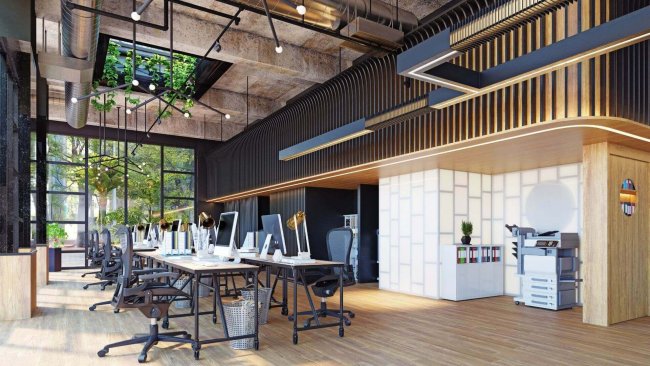
The modern work environment is becoming increasingly competitive and dynamic. For this reason, creating an environment that ensures employees' comfort and productivity should be one of every employer's priorities. Office furniture is one of the key elements of this environment and plays an important role not only in terms of aesthetics but also in terms of functionality and durability. Quality office furniture helps protect employees' health and prevents problems such as back and neck pain. In addition, properly selected office furniture increases employees' motivation and improves overall work productivity. The design of office furniture, the materials used, production technology, and other technical details are the main factors that determine its quality. Choosing long-lasting and functional furniture is both financially advantageous and ensures the sustainability of the office environment. Such furniture does not require frequent replacement or repair, which directly affects the company's expenses. At the same time, aesthetically appealing furniture strengthens the company's image and creates a professional impression on clients. In this blog, we will analyze the main factors affecting the quality of office furniture in detail and provide you with practical recommendations for making the right choice.
Materials Used
The durability, aesthetics, and longevity of office furniture depend on the materials used. Furniture materials determine both structural strength and appearance. Let us look at the most commonly used materials in the following sections.
Wood and MDF
Wood and MDF are among the most common materials in office furniture manufacturing. Wood – especially solid wood – gives furniture a natural appearance and longevity. MDF offers a more affordable alternative and allows flexibility in design. Office desks and cabinets made from wood look more prestigious and classic. MDF offers a broad range of colors and shapes for modern interiors. The quality of wood and MDF furniture is also closely linked to processing technology and protective finishes. Moisture-resistant MDF panels are more durable and less likely to deform. High-quality MDF retains its shape for a long time when used correctly. These materials can also be more environmentally suitable. If the wood is certified and sourced from sustainably managed forests, this improves the furniture’s environmental quality. Ultimately, the material used in the main frame directly affects furniture’s durability and appearance.
Metal and Aluminum
Metal and aluminum materials are frequently used in office chairs, desk legs, and shelving systems. These materials are extremely strong structurally and long-lasting. Metal frames withstand heavy loads and do not deform. Aluminum stands out for both its light weight and its resistance to rust. If you frequently need to move furniture around in your office, aluminum components may be an ideal choice for you. In addition, metal surfaces suit modern and minimalist design concepts. Furniture featuring metal details finished in black, silver, or matte coatings creates a technological and professional atmosphere. High-quality metal components should be appropriately painted or covered with a protective layer to prevent rust and corrosion. The use of metal improves the furniture's overall quality and extends its service life. Such furniture also requires fewer repairs.
Plastic and Composite Materials
Plastic and composite materials are also frequently found in modern office furniture. Because these materials are lightweight and easy to shape, they broaden design possibilities. However, low-quality plastic deteriorates quickly and can lose its aesthetic appearance. High-quality polycarbonate and ABS plastics retain their shape and shine for a long time. Composite materials, such as wood-plastic blends, offer balanced results in terms of both rigidity and aesthetics. The advantage of these materials is their resistance to different environmental conditions. Models resistant to moisture and UV rays are suitable for use in open offices and areas exposed to sunlight. Plastic furniture components play an important functional role, particularly in office chair backs and wheeled sections. If a high-quality composite is chosen, successful results are achieved from both an aesthetic and a technical perspective.
Design and Ergonomics
Office furniture design matters not only for aesthetic appearance but also for ease of use. Ergonomic design is an important factor in protecting employee health and increasing productivity.
Employee comfort and posture
Furniture comfort is extremely important for employees who spend long periods working at a desk. Properly designed chairs prevent lower-back pain and posture problems. Ergonomic chairs have structures that support the lumbar area. The seat and backrest should also be positioned at a suitable angle. Furniture that fits employees’ dimensions prevents stress and fatigue as well. Cushioned seats made from breathable materials are more comfortable. Adjustable seat height and armrests make adaptation to different users easier. Furniture designed to suit users’ body types allows longer use. It also prevents health problems and improves overall working conditions. Backrests with lumbar support and contours suited to the lower back increase comfort at work.
Adjustable elements
Having adjustable components in modern office furniture is a major advantage. Individually adjusting a chair's height, armrests, and backrest angle meets the needs of different employees. Adjustable desk height accommodates different working arrangements – for example, working while sitting or standing. These features make furniture use more flexible and comfortable. They also allow adaptation to different body sizes and builds. Adjustable elements prevent physical fatigue during long working hours. Such technological capabilities in furniture manufacturing increase user satisfaction. As a valuable addition, these features also ensure that the furniture can be used universally. Adapting furniture for employees of different heights and sizes is extremely important.
Aesthetic appeal and functionality
Aesthetic appearance plays an important role in first impressions in an office environment. Color coordination, harmonious shapes, and material selection shape this impression. Furniture with modern, simple designs creates a more motivating environment. At the same time, the functionality of the furniture should also receive attention. Multifunctional desks and cabinets both save space and make organization easier. When a balance between aesthetics and functionality is maintained, both appearance and ease of use are ensured. Light-reflecting surfaces and design elements with glossy details make the office look more spacious and brighter. The company's corporate identity should also be considered when choosing a color palette. A balance between function and design is also important for a creative and productive working atmosphere.
Manufacturing Technology
One of the factors that significantly affects the quality of office furniture is the technology used to manufacture it. Furniture produced using advanced technology stands out for its more precise dimensions, stronger assembly, and greater functionality. Compared with traditional methods, modern technologies make it possible to optimize every detail of the furniture. Automation, laser-cutting technology, CNC machines, and robotic assembly lines increase precision in furniture manufacturing. These technologies reduce the likelihood of defects in furniture and standardize the product's quality level. High-quality office furniture is distinguished not only by its design but also by the technology applied during production. The advanced tools and software used in manufacturing ensure that products are consistently produced to the same standard. In addition, innovative technologies minimize material waste and offer environmental advantages. In the following sections, we will explain the two main technological factors in this field in greater detail.
Automated cutting and assembly
An automated production process is essential for achieving high precision and symmetry in office furniture. CNC technology enables cutting to precise dimensions, ensuring the stability of the furniture's structure. Automation minimizes the human errors encountered in manual processes. Automatic cutting tools ensure optimal use of materials and prevent waste. Thanks to this technology, different components fit together perfectly, with no gaps or instability during assembly. Automated assembly lines join parts using high pressure and precision. This extends the furniture's service life and improves its durability. High-tech production processes also allow more products to be manufactured in less time. Thus, a balance between quality and mass production is maintained. Because automated systems ensure standardization in furniture manufacturing, every product meets the same standard.
Quality control processes
Quality control is one of the most important stages of manufacturing technology. During this process, every stage of the product is inspected and tested for compliance with standards. Quality checks carried out at the end of production ensure that the product is free from defects before it reaches the end user. In addition, some manufacturers certify each batch and ensure compliance with international quality standards. Certifications such as ISO, TÜV, and FSC are important indicators of the furniture’s technical and environmental quality. Quality control tests the strength of materials, assembly precision, and durability of surface finishes. Companies that apply this stage rigorously are prepared to offer long-term warranties. If a product passes these checks, the risk of problems arising during use is minimized. The quality control process therefore determines not only the furniture’s technical properties but also customer satisfaction. This also has a positive effect on brand reliability.
Service Life and Durability
Office furniture quality is also measured by how suitable it is for long-term use. High-quality furniture can be used for many years without losing its shape or functionality. Durability is important both structurally and in the resistance of surface materials to wear. Service life depends not only on material but also on assembly technology and technical specifications. Well-designed, solidly constructed furniture remains stable and does not need frequent repairs. Durable furniture also requires less investment because it does not need to be replaced often. Let us now explain the two main factors included in the concept of durability in greater detail.
Resistance to Wear and Loads
Office furniture is subjected to various physical stresses during daily use. These include sitting and standing, friction, movement, and loads. High-quality furniture should withstand these mechanical stresses. For example, a chair’s seat is used dozens of times each day, and low-quality materials soon deform. High-density foam and strong upholstery materials resolve this problem. Desk and shelf surfaces should also have coatings resistant to friction and scratching. Metal-framed furniture withstands constant loads and does not bend over time. The durability of furniture’s structural parts indicates its overall quality level. Physical resistance is therefore a quality indicator that directly affects longevity.
Availability of repairs and spare parts
One of the advantages of high-quality furniture is that it can be repaired easily when necessary. Because such furniture is designed in a modular format, broken or damaged parts can be replaced individually. If a chair's caster or armrest fails, there is no need to replace the entire product. The manufacturer's provision of spare parts increases the buyer's confidence. This also ensures the product's long-term use. Removable and replaceable parts help simplify maintenance. The possibility of repair also has a positive effect on the furniture's environmental life cycle, as waste is reduced. Thus, the availability of spare parts increases the product's durability and reduces overall costs.
Climate and Environmental Conditions
Office furniture quality should be evaluated not only in terms of manufacturing and materials but also by its suitability for the physical conditions of its environment. Temperature changes, humidity levels, sunlight, and dust can affect furniture’s longevity and appearance. High-quality furniture should not only look beautiful but also withstand the climate and environmental conditions where it is placed. Furniture chosen without considering these factors can deform and lose functionality in a short time. The following factors are particularly important in this regard.
Resistance to temperature and humidity
Temperature fluctuations and high humidity can damage furniture materials. Wood- and MDF-based furniture can swell, warp, or crack in high humidity. High-quality coatings and laminate materials prevent these effects. Metal parts also carry a risk of rusting when they come into contact with moisture. For this reason, protective paints and metal components treated against corrosion are important. Although plastic and composite materials provide better resistance to moisture, their flexibility may decrease with temperature changes. Transitions between hot and cold conditions affect furniture joints and can sometimes result in loosening or tearing. High-quality office furniture, particularly models made with certified materials, prevents these problems. If the air conditioning or heating system in your office operates intensively, it is essential for the furniture to be designed to suit the climate. Furniture resistant to temperature and humidity therefore allows for long-term, consistent use.
Sunlight and UV effects
Furniture near office windows is exposed to direct sunlight. Sunlight, especially UV radiation, can negatively affect surface finishes. Wood and plastic surfaces tend to fade, crack, and harden. Choosing furniture treated with UV-filtering coatings is therefore preferable. Metal components can heat up under prolonged sunlight and show deformation or discoloration. UV-protective layers and heat-resistant materials prevent these problems. Furniture durability is particularly important in sun-exposed office areas during spring. Dark furniture absorbs more sunlight and may deform faster. Light-colored models treated with special varnish and paint offer advantages in both aesthetics and durability. Such furniture retains its shape and color longer under light exposure.
Brand and Manufacturer Reliability
When buying office furniture, it is important to consider not only the product’s appearance and functionality but also the manufacturer’s reliability. Famous, well-known brands usually have extensive experience and quality control systems. This ensures greater technical and functional dependability. Working with a reliable manufacturer also provides broader after-sales service and warranty options. Brand reputation directly affects product quality and customer satisfaction.
The manufacturer's reputation
A manufacturer's reputation in the market is an important indicator of product quality. Well-known brands are usually recognized for innovative designs, high-quality materials, and technologically advanced manufacturing methods. They do not hesitate to offer warranties on their products and improve by taking user feedback into account. Such companies prioritize customer satisfaction and provide a high level of after-sales support. The manufacturer's official website, user reviews, social media activity, and customer service are excellent tools for identifying a quality brand. If a manufacturer participates in international or local exhibitions, this also demonstrates its active presence in the market. Certified brands demonstrate that the product has been manufactured in accordance with health and safety standards. In conclusion, when buying furniture, the manufacturer's past projects and reputation should always be reviewed.
Warranty period and after-sales service
The warranty period is an indicator of office furniture quality. Quality manufacturers usually provide warranties of 2 to 5 years. Free repair of technical faults that arise during this period gives users additional confidence. After-sales services also include furniture assembly, transportation, and replacement of spare parts. Such services positively influence buyers’ decisions. If a furniture company is prepared to maintain a long-term relationship with customers, this indicates quality service. After-sales services also extend furniture life and reduce costs. It is important to read the brand’s warranty conditions, since in some cases they apply only under specific patterns of use.
Price and Budget Compatibility
One of the most important factors when choosing office furniture is price and suitability for the budget. Everyone wants to buy furniture that is both high-quality and affordable. However, to maintain this balance, it is important to assess the furniture's price-to-quality ratio correctly. Cheap furniture may seem cost-effective initially, but repair and replacement costs will increase with long-term use. For this reason, mid-range or high-end furniture is considered a more cost-effective investment.
Price/quality ratio
The price/quality ratio is one of the main indicators when choosing furniture. This ratio is based on the balance between the functionality and service life the furniture provides and the amount you pay. In other words, expensive furniture may not always be high-quality, while inexpensive products have also often been proven to lack durability. Products in the mid-price category that are certified and come with a warranty are considered a more suitable choice. When buying furniture, the type of material, assembly quality, brand reputation, and design functionality play a key role in determining this ratio. Experts recommend choosing furniture not solely by price, but also by how durable and comfortable it is in use.
Long-term cost-effectiveness
Long-term cost-effectiveness should not be measured solely by the initial price. The less maintenance furniture requires and the more years it can be used, the more cost-effective it is. Rather than replacing furniture every two to three years, investing in products designed for long-term use is a smarter choice. This means financial savings while also creating visual and functional consistency in the office. A warranty for quality furniture and the availability of spare parts also affect its long-term cost-effectiveness. Well-chosen furniture also preserves the brand image and employee satisfaction. Thus, long-term cost-effectiveness is possible through quality choices.
User Reviews and Experience
Finally, real users' experiences and reviews are an invaluable source for assessing a product's practical quality. Buyer reviews show how furniture performs in everyday use. Unlike marketing statements alone, this information is based on real experience and plays a major role in the decision-making process.
Customer satisfaction
Customer satisfaction is the most important indicator of furniture quality, comfort, and functionality. Highly rated products are generally evaluated positively for both longevity and ease of use. If a furniture product has numerous positive reviews, this shows that it also performs successfully in actual use. The advantages and shortcomings mentioned in reviews give new buyers an objective perspective. Customer satisfaction also sheds light on the brand's after-sales service.
Real user experiences and reviews
Real user experiences clearly reveal how furniture performs in everyday office use. Reviews shared on forums, official websites, and social media platforms highlight the actual problems and benefits customers experience. The most frequently emphasized topics in these reviews include furniture assembly quality, comfort levels, and durability. Some users also share their experiences with technical support and warranty services. This information helps new buyers minimize risks.