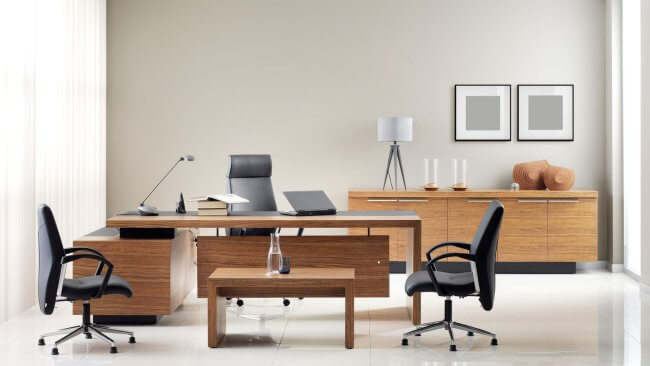
Office furniture is important not only for comfort but also for productivity. Poorly chosen furniture can negatively affect employees' health. It can also diminish the aesthetic appearance of the work environment. Many companies focus only on price when purchasing office furniture. However, quality is more important for long-term use. Office chairs and desks are furnishings that employees use for most of the day. Therefore, making the wrong choices can have significant consequences. For example, back and neck pain are common problems. Non-ergonomic chairs cause fatigue and loss of concentration. Incorrect desk dimensions reduce work efficiency. Furniture with an unsuitable design can also negatively affect a company's image. When customers visit an office, the interior is the first thing they notice. If the furniture is worn out or uncomfortable, it damages that image. Additional costs also arise when the right choices are not made. This is because furniture that deteriorates quickly needs frequent replacement. Some executives focus only on appearance and forget functionality. Others consider only comfort and pay no attention to aesthetics. In fact, both factors should be considered together. In this article, we will explain the 10 main mistakes made when choosing office furniture. We will also provide recommendations on how to avoid these mistakes.
1. Focusing only on price
Many companies try to choose the cheapest option when buying furniture. What initially seems economical becomes expensive in the long term. Cheap furniture materials deteriorate quickly. Breakage, fading, and deformation are common. Employees become dissatisfied, and productivity decreases. Buying furniture again causes additional expenditure. Alongside price, quality should be a main selection criterion. For example, a solid wood desk lasts for years. Cheap MDF or plastic, however, wears out quickly. Warranty conditions should also be considered when choosing by price. Reliable companies offer long warranties. This avoids additional expenditure if a problem arises. Cheap options lack warranties, creating risk for business owners. Ultimately, it is better to focus on value rather than price.
2. Ignoring ergonomics
Ergonomics means designing the work environment to support health. Most companies make choices without considering this. Yet employees spend at least 7-8 hours a day in the office. Uncomfortable chairs cause lower-back pain. Desks that are too low or too high create neck tension. Correct ergonomic choices protect employee health. For example, seat height should suit the employee’s height. Desk dimensions should also be chosen according to the distance between the screen and eyes. Enough space should be available for comfortable leg positioning. Chairs with lumbar support are healthier choices. Height-adjustable chairs are even better, allowing comfortable use by employees of different sizes. Ignoring ergonomics makes employees tire quickly, reducing productivity. Nonergonomic furniture ultimately harms the company.
3. Forgetting Design and Style Compatibility
An office is not only a workplace but also the company's calling card. When clients and partners visit the office, their first impression is formed there. Unsuitable furniture choices weaken a professional image. For example, modern furniture does not suit a classic interior. At the same time, overly colorful and mismatched choices can disrupt a serious atmosphere. Harmony in design and color is important. Choices that match the company's brand colors are more appropriate. Minimalist design is both timeless and comfortable. The furniture's style should match the office's overall concept. Decorative elements should also harmonize with the furniture. Otherwise, the office will look cluttered and disorganized. An appropriate design also increases employee motivation. This is because working in a pleasant environment is more comfortable. A consistent style supports the company's image. Therefore, aesthetic appearance should never be relegated to second place.
4. Calculating the dimensions of the space correctly
One of the most common mistakes is failing to consider the dimensions of the space. Some companies buy furniture that does not suit the size of the office. As a result, the room either looks too crowded or remains empty. Oversized desks create crowding in small rooms. Conversely, small furniture gets lost in large halls. When choosing furniture, the room's dimensions should first be measured accurately. Models that suit these dimensions should then be selected. Modular furniture is more practical in this respect, because it can easily be changed and adapted when needed. Additional storage areas should be considered. Otherwise, documents and belongings will create clutter. A space planned with accurate measurements is both functional and aesthetically pleasing. Large companies involve professional interior designers in this work. Small businesses should at least plan using simple measuring tools. Suitability for the space is important for both comfort and efficiency.
5. Overlooking Storage Spaces
Remember that office furniture is not just desks and chairs. Storage areas are important for maintaining office order. Many companies buy furniture without considering this. As a result, documents and objects remain scattered. This wastes time and creates an untidy appearance. Cabinets, shelves, and archive systems are essential. Employees should be able to find frequently used items easily. Otherwise, they lose extra time every day. Correct placement of storage systems is also important. They should not make movement around the room difficult. Aesthetic appearance should also be maintained. Minimalist cabinet systems are ideal in this respect. Open shelving is convenient for frequently used objects. A lack of storage creates disorder in the office, reducing work efficiency.
6. Failing to consider employees' opinions
Only managers’ decisions are considered when furniture is selected. Yet employees are its main users. Their comfort and needs should be investigated. Some employees want larger desks. Others need extra shelves or cabinets. Chair preferences may also differ according to personal comfort. For example, lumbar support is important for some employees. Others prefer adjustable armrests. These opinions can be gathered through questionnaires and surveys. Considering employees’ views increases their motivation because it shows they are valued. As a result, they work more comfortably and productively. Otherwise, dissatisfaction arises. A balance should be created between management’s choices and employees’ needs. This approach benefits both human resources and work quality.
7. Not considering the long-term perspective
Focusing only on today’s needs when buying furniture is a mistake. Furniture requirements change as the company grows and employee numbers increase. Without long-term planning, frequent renewal becomes necessary, causing additional costs and lost time. Modular, flexible furniture systems can resolve this problem because they adapt to future changes. Furniture made from durable materials lasts longer and resists wear better. Warranty conditions should also be considered. A long warranty prevents future problems. Choosing timeless designs is important too. Highly fashionable furniture may quickly look outdated. Classic and minimalist designs, by contrast, remain relevant for years. Considering the long-term perspective benefits the company financially and in image terms. This is a more strategic, intelligent approach.
8. Failing to consider lighting
Lighting is often forgotten when office furniture is chosen. Yet proper lighting affects both employee health and furniture appearance. Desks not positioned appropriately relative to windows cause eye strain. Furniture colors also look dull in very dark environments. Light can affect the material too. For example, cheap material exposed to direct sunlight fades quickly. Conversely, correctly illuminated desks and chairs last longer. LED lamps support energy savings and are more comfortable for the eyes. Desktops should receive additional lighting. Lighting also creates an aesthetic atmosphere. Effects aligned with brand colors give the office a professional appearance. Dark corners reduce employee motivation. A lack of lighting balance negatively affects work quality. A lighting plan should therefore be considered alongside furniture selection.
9. Neglecting material quality
Looking only at design when choosing furniture means overlooking material quality. Furniture made from cheap materials fails quickly. Even two desks with identical appearances can differ in quality. One may use MDF and the other solid wood. This creates a major difference in longevity. Material quality also matters for health. Cheap materials with chemical additives can cause allergies and odors. Poorly finished edges are also a safety risk because sharp corners can cause injuries. Rust-resistant metal details are more durable. Glass elements should be thick and meet safety standards. Durable fabric and leather upholstery are more suitable for chairs. Poor material selection creates the need for early replacement. Good materials allow long use without additional costs.
10. Forgetting technology integration
Modern office furniture consists of more than just desks and chairs. Integration with technology is now important as well. Desks without cable management systems create clutter. Furniture equipped with charging outlets and USB ports is more convenient. This allows employees to charge their devices quickly. Multimedia support in conference tables is also important. Furniture without technology does not meet future requirements. New devices are added every day in growing companies. If the furniture cannot accommodate them, additional problems arise. Cable channels and concealed outlets maintain order. Smart desks offer both ergonomic and technological advantages. This type of furniture increases employee motivation. Furniture without integration, however, looks outdated very quickly. A choice adapted to technology is a long-term investment.